BMW Vision Alpina May Be Too Fancy for Its Badge
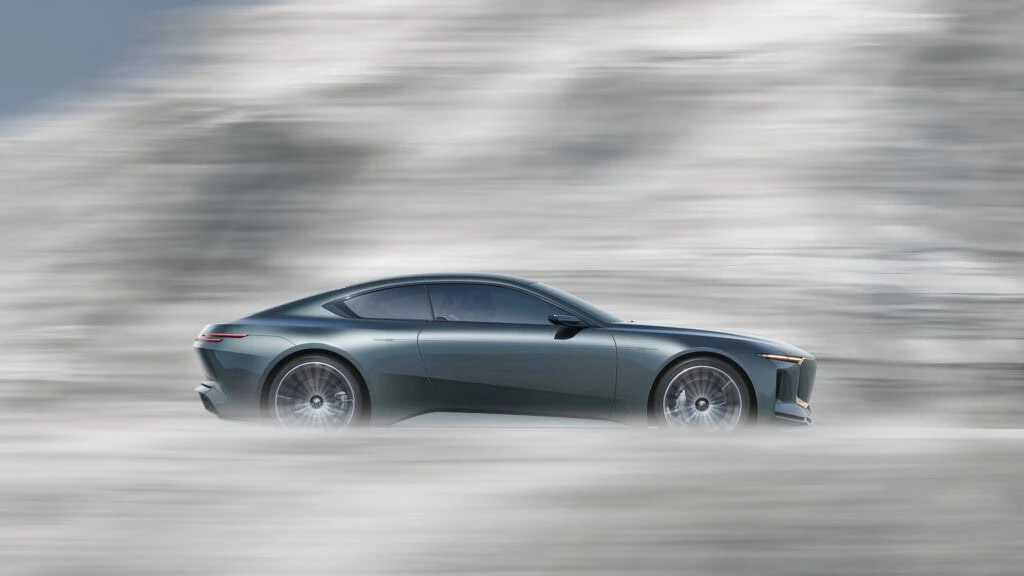
The BMW Vision Alpina is not difficult to admire. It ‘s long, elegant, beautifully surfaced, and more restrained than many modern luxury concepts. In an industry where too many design teams confuse visual noise with importance, this concept has the confidence to breathe. It looks expensive because it does not appear to be trying quite so hard.
That is also why it creates such an interesting problem. The BMW Vision Alpina is a stunning luxury grand tourer, but it may not feel entirely like an Alpina. It looks less like the next chapter of a discreet performance brand and more like a Rolls-Royce that accidentally took the wrong entrance at the showroom.
For a mainstream luxury audience, that may sound like a compliment. For Alpina loyalists, it is more complicated. Alpina has never been about shouting. It has traditionally been about subtle speed, long-distance comfort, and quiet engineering depth. It was the car for someone who wanted serious performance without explaining themselves at every fuel stop. The Vision Alpina changes the conversation. It is not hiding. It wants to be seen.
You may also enjoy: 2026 BMW 7 Series: Which One Should You Buy?
Why Alpina Has Always Been Different
To understand why this matters, you have to understand what Alpina traditionally represented. BMW M cars were the sharper tools: aggressive, track-influenced, and tuned for drivers who wanted more edge. Alpina went another way. It took BMW foundations and added power, comfort, stability, craftsmanship, and calm.
That calm was the key. An Alpina could be extremely fast, but it usually did not look furious. It was not trying to win a shouting contest in a valet lane. It was built for people who understood that confidence does not always need a megaphone.
That gave Alpina a very clear identity. It was performance for grown-ups. It was luxury without the opera. It was the sort of car that could cover huge distances at serious speed and still arrive looking as though nothing dramatic had happened.
That identity is valuable because it is rare. Many luxury brands now chase attention with giant grilles, theatrical lighting, and cabins that look like someone mounted a television showroom to the dashboard. Alpina’s traditional appeal was almost the opposite. It made its point quietly.
You may also enjoy: Inside BMW’s Factory and What It Could Mean for America
The Vision Alpina Is a Different Kind of Statement
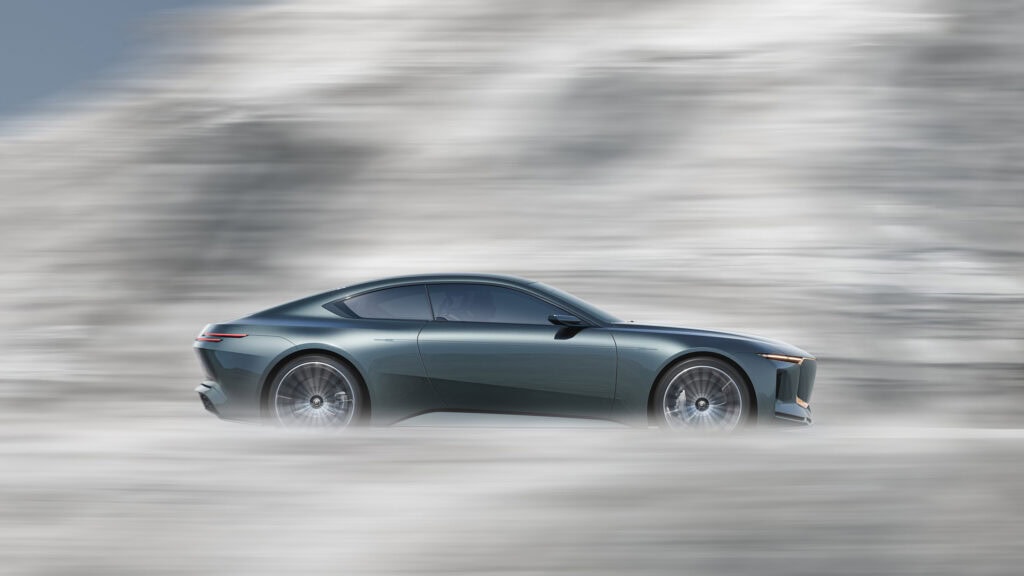
The BMW Vision Alpina does not speak quietly. It is a large, dramatic, four-seat grand tourer with serious visual presence. The hood is long, the stance is wide, and the proportions are more private-jet lounge than discreet autobahn sedan.
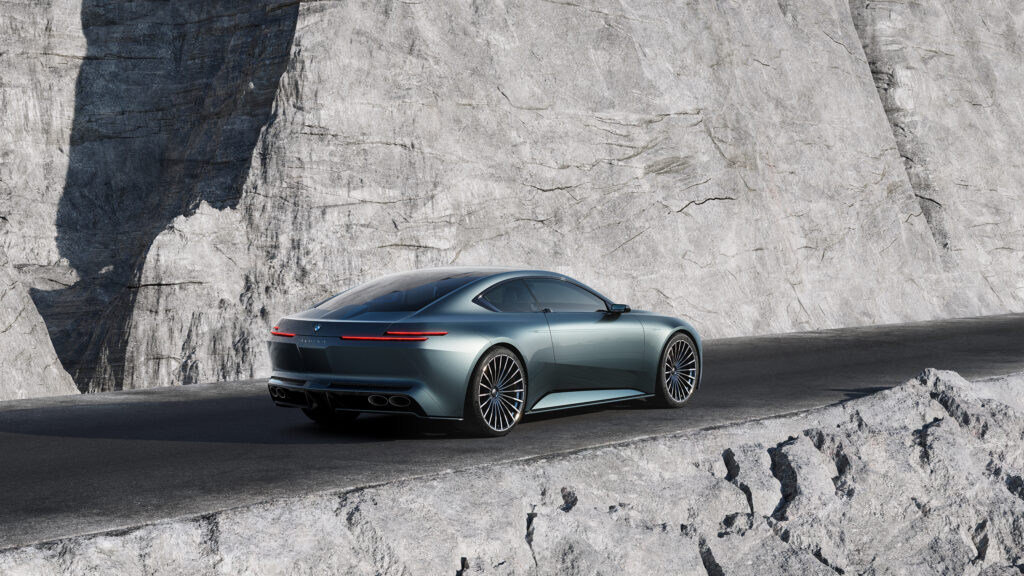
The design has plenty of beautiful details. The front end references classic BMW shark-nose proportions. The wheels reinterpret Alpina’s famous multi-spoke design. The body sides are relatively clean, avoiding the overworked creases and decorative vents that have become common on modern premium cars.
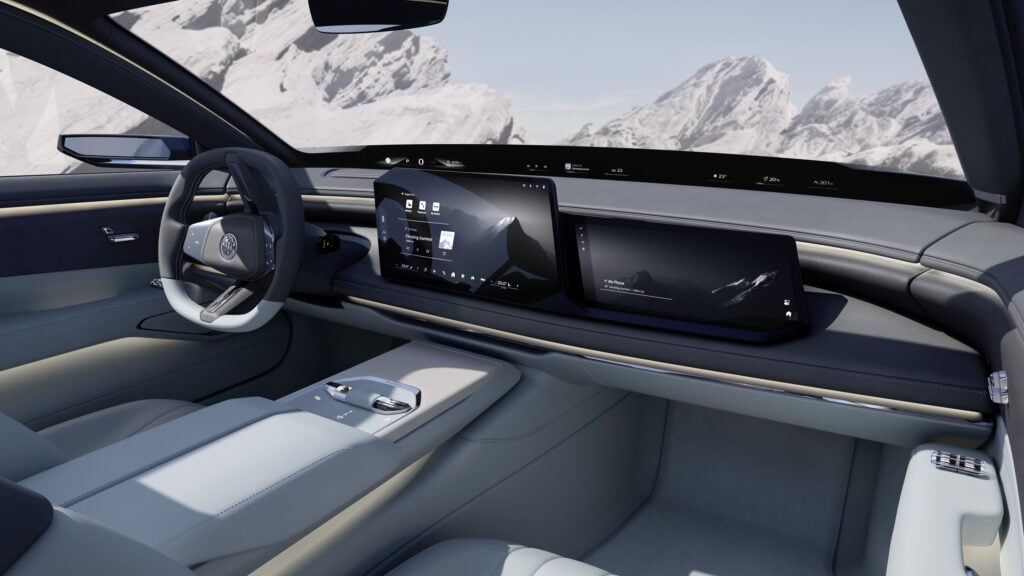
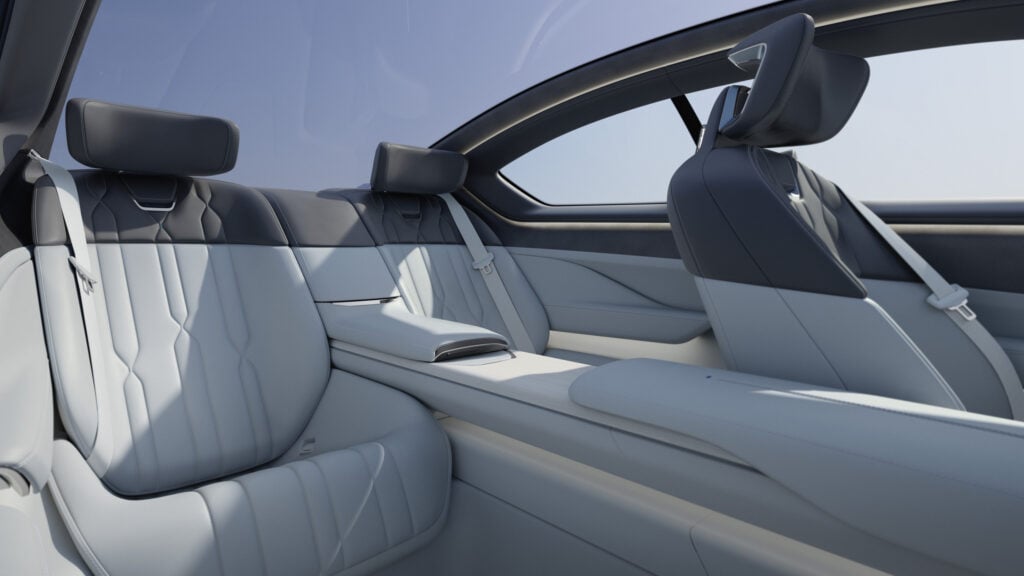
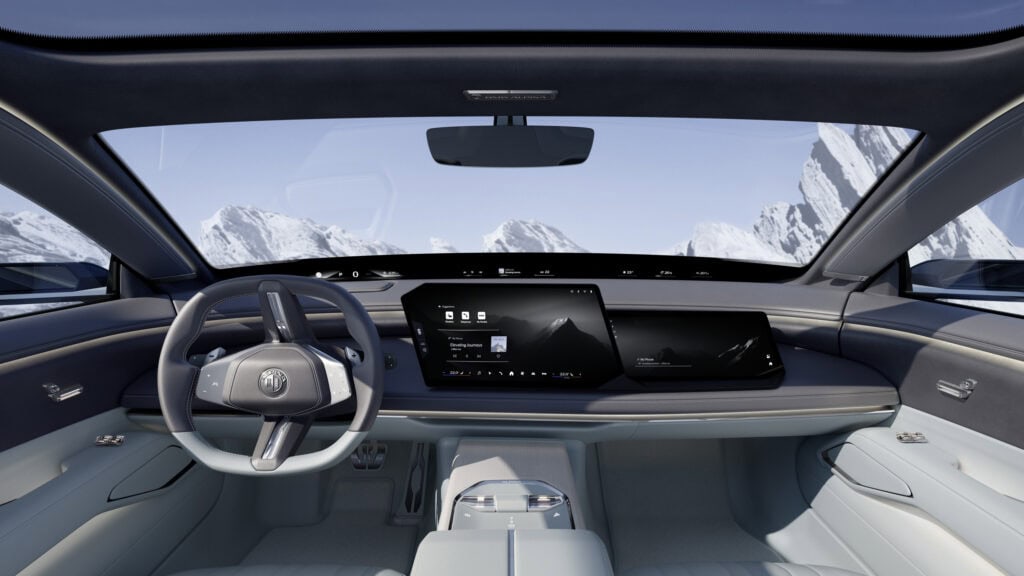
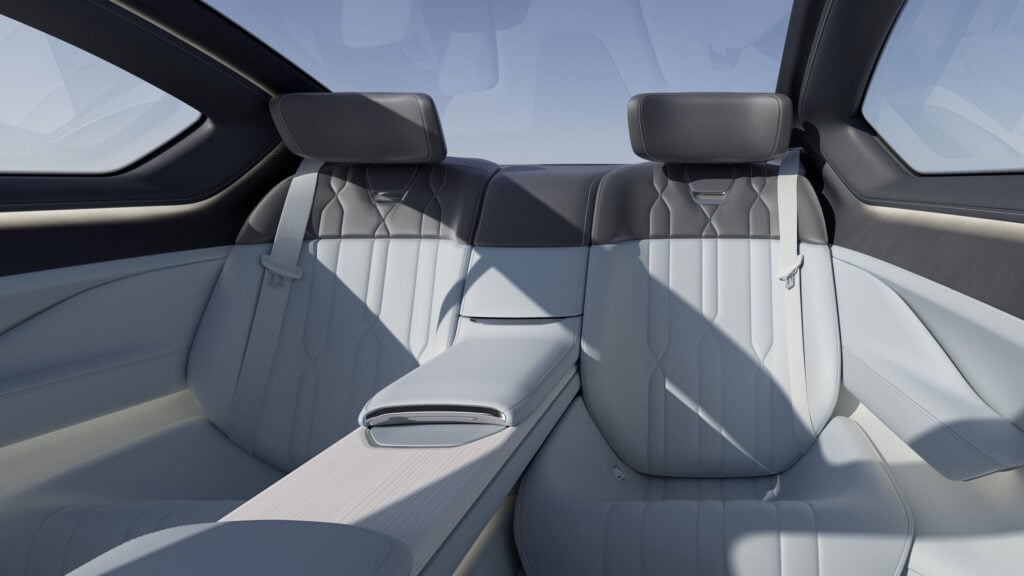
Inside, the concept leans even further into ultra-luxury. The front cabin is driver-focused, while the rear looks more like a private lounge. Materials such as leather, wood, and metallic trim create a calm, architectural feel. The digital interface appears intentionally restrained rather than overwhelming.
All of that is good. In fact, much of it is excellent. The issue is not whether the car looks premium. It clearly does. The issue is whether this type of overt luxury theater belongs under the Alpina name.
You may also enjoy: Built in the USA: BMW XM Label Flexes American Muscle
The Rolls-Royce Question
This is where the argument becomes unavoidable. Remove the Alpina badging from the Vision Alpina, place a Spirit of Ecstasy on the hood, and the car would make immediate sense as a future Rolls-Royce fastback coupe.
The proportions, the rear-seat emphasis, the grand touring mission, and the highly crafted interior all feel very close to Rolls-Royce territory. That is not an insult. Rolls-Royce is one of the clearest luxury brands in the world. It understands presence, ceremony, and the emotional value of being seen. But BMW already owns Rolls-Royce. That brand exists to handle the ultra-luxury end of the empire.
Alpina, historically, served a different customer. It was not for someone who wanted full theatrical arrival. It was for someone who wanted a more refined BMW experience without the volume turned all the way up. That is why the Vision Alpina feels slightly conflicted. As a luxury concept, it is beautiful. As an Alpina, it raises questions.
You may also enjoy: BMW Finally Fixed the Electric Car, The New i3 Proves It
BMW’s Strategy Makes Sense on Paper
From a business standpoint, BMW’s move is understandable. Alpina has been brought fully into the BMW Group, which means the brand can now be positioned more deliberately. BMW can use it to sit between the most expensive BMW models and entry-level Rolls-Royce vehicles.
That gap is real. Some buyers may want something more exclusive than a BMW 7 Series but less formal than a Rolls-Royce Ghost. Alpina could become that answer. It could offer rarity, craftsmanship, comfort, and performance in a package that feels more personal than a normal luxury sedan.
That sounds logical. However, brand strategy is not only about filling gaps. It is about protecting meaning. Customers need to understand why a badge exists. If Alpina becomes simply “a more expensive BMW,” the brand loses some of its magic. If it becomes “a cheaper Rolls-Royce,” the problem becomes even worse. The challenge for BMW is simple but difficult. It must make Alpina feel more special without making it feel like something else entirely.
You may also enjoy: 2027 Mercedes S-Class: The Flagship Gets Smarter
Why the Timing Is Important
This shift arrives at an interesting moment. BMW appears relatively strong compared with several traditional German luxury rivals. The company has maintained a flexible powertrain strategy, offering gasoline, hybrid, plug-in hybrid, and electric models depending on market and customer needs.
That flexibility matters because luxury buyers are not all moving at the same speed. Some want electric vehicles immediately. Others prefer plug-in hybrids. Many still value the smoothness, range, and character of internal combustion engines, especially in larger luxury vehicles.
The Vision Alpina’s long hood and V8 message are important here. They suggest that BMW still sees emotional value in combustion power, particularly for high-end grand touring cars. A V8 is not simply a technical choice. It is a character choice.
That may help Alpina stand apart in a market increasingly filled with quiet electric luxury vehicles. However, it also increases the importance of brand clarity. If BMW is going to preserve combustion character for Alpina, the rest of the car needs to feel equally faithful to the brand’s personality.
You may also enjoy: BMW Hydrogen Vehicles: History and What Comes Next
What the Concept Gets Right
The Vision Alpina gets several things right. First, it proves that luxury design can still be elegant without becoming chaotic. The surfaces are controlled. The stance is confident. The details feel deliberate rather than desperate.
Second, it respects some important Alpina cues. The wheels matter. The long-distance touring message matters. The emphasis on comfort matters. Alpina was never supposed to be a raw track weapon, so a focus on smooth, fast travel makes sense.
Third, the concept suggests BMW understands that future luxury cannot simply mean more screens. Modern buyers may want technology, but they also want calm. A cabin that feels relaxing rather than mentally exhausting is increasingly valuable.
Finally, the car is memorable. That counts. Too many concept cars generate a day of headlines and vanish. The Vision Alpina lingers because it is genuinely beautiful and because it forces a real debate about what the brand should become.
You may also enjoy: Acura ADX vs BMW X1 and Audi Q3: Which SUV Wins?
What Still Feels Wrong
The concern is restraint. Alpina’s heritage was not just about comfort and speed. It was about how quietly those qualities were delivered. The Vision Alpina is elegant, but it is not especially quiet in personality. It looks like a statement car.
That matters because many Alpina buyers liked the absence of obvious status signaling. They did not need a car that announced wealth from across the street. They wanted something discreet, capable, and deeply considered.
The Vision Alpina may attract a new type of buyer, but it risks leaving some of the old audience behind. That may be intentional. BMW may believe Alpina needs to evolve beyond its traditional enthusiast base. Still, the best brand evolutions preserve the core promise while expanding the audience. If the core promise disappears, you are not evolving a brand. You are replacing it.
You may also enjoy: Lexus Just Broke Its Own Luxury Rulebook With the New ES
What Buyers Should Watch Next
The production version will matter more than the concept. Concept cars are allowed to exaggerate. They are designed to test reaction, stretch design language, and create conversation. The real question is how much of this personality survives when BMW turns the idea into showroom metal.
There are five things worth watching:
- Pricing: If Alpina moves too close to Rolls-Royce money, buyers may question the hierarchy.
- Design restraint: Future Alpinas need presence without becoming theatrical.
- Powertrain choice: Gasoline, hybrid, plug-in hybrid, and electric versions could each send a different message.
- Interior execution: Alpina cannot simply feel like a BMW with nicer trim.
- Brand clarity: BMW must explain why Alpina exists alongside BMW M and Rolls-Royce.
That final point is the most important. Luxury buyers do not need more confusion. They need a reason to care.
You may also enjoy: 2027 Mercedes-Benz EQS Raises the Luxury EV Bar
Final Verdict
The BMW Vision Alpina is a beautiful concept car. It may also be a warning sign. As a design exercise, it is one of BMW’s most elegant recent statements. It proves that modern luxury can be dramatic without becoming messy. It shows that proportion, restraint, and craftsmanship still matter.
But as an Alpina, it is complicated. The concept appears to push the brand away from understated performance and toward visible ultra-luxury. That may create a profitable new space for BMW, but it also risks weakening the very identity that made Alpina special.
The best Alpinas never needed to prove they were special. They simply were. The Vision Alpina proves BMW can make the brand spectacular. Now BMW has to prove it can still make Alpina feel like Alpina.