Robotaxi Privacy: What Waymo and Tesla Record
Robotaxi privacy is becoming a serious question as Waymo and Tesla put cameras in driverless taxis. Here’s what passengers should know about their data.
There is something rather appealing about climbing into a taxi and discovering there isn’t a driver.
No awkward conversation. Nobody asking why you’re traveling to that particular address. Nobody listening while you discuss a sensitive medical appointment or argue with your accountant.
Except the vehicle itself may be collecting considerably more information than the person who used to drive it.
Waymo and Tesla have different approaches to passenger recording, and their published privacy policies contain details that deserve much closer attention.
The issue is particularly relevant as driverless services expand across American cities. For passengers, understanding the difference between safety monitoring and unnecessary surveillance is becoming an important part of choosing how to travel.
You may also like this video:
Robotaxi Privacy Starts With the Camera Above Your Head
A modern driverless taxi has a difficult assignment. It must safely transport passengers, identify emergencies and manage the condition of its interior without a human employee aboard.
That requires additional technology, including cameras and connected support systems.
Waymo’s current privacy policy identifies video recorded inside the vehicle during trips as information it collects.
Its stated purposes include maintaining safety, providing transportation, addressing customer problems and improving its service.
Those are legitimate operational functions. But passengers should recognize that an interior recording may contain considerably more information than whether someone has left a telephone on the back seat.
A camera might capture other passengers, clothing, belongings and personal interactions. When combined with journey records, those images can become sensitive.
The central question should be whether the company collects only what is necessary, restricts access appropriately and deletes information when it is no longer needed.
You may also enjoy: Hyundai Robotaxis: Why Waymo and Motional Both Matter
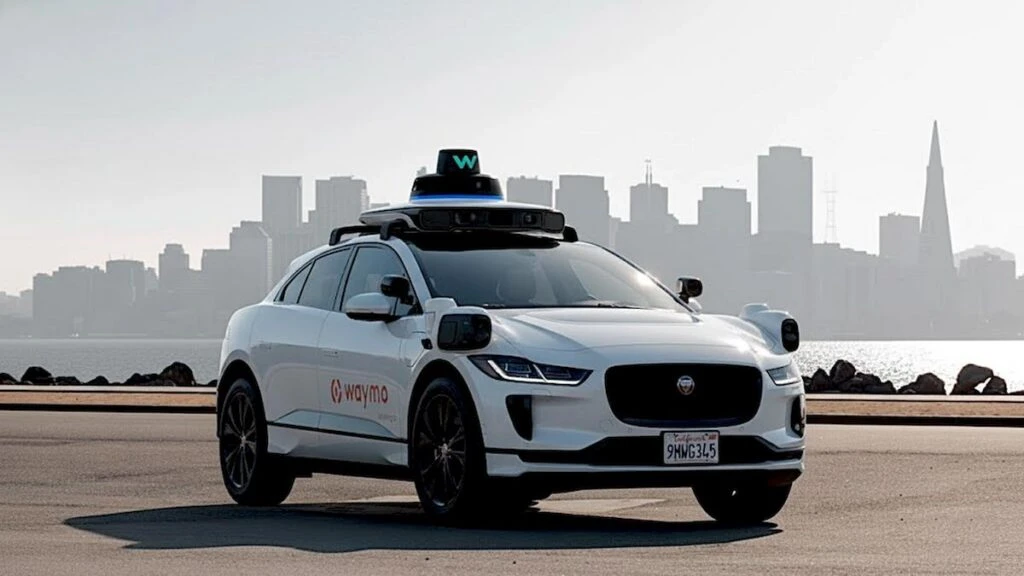
Waymo driverless taxi
Does Tesla Record Everything Inside Its Robotaxis?
Not according to Tesla’s description of its standard Robotaxi service.
Its Robotaxi rider privacy notice says cabin camera and microphone use is limited by default, with exceptions for support requests, occupancy detection and safety events.
Tesla also describes using the interior camera after a journey to inspect the vehicle before its next passenger.
The company says its passenger screen displays a green indicator when the cabin camera is active and an orange indicator when the microphone is being used.
That is useful because passengers should not have to guess when recording-related systems are operating.
However, Tesla identifies additional collection practices for participants in its early-access program. Those can include cabin camera analytics and sound detection for research and testing.
Therefore, two passengers using the same brand of robotaxi might experience different data collection practices depending on the service program.
Before accepting an invitation to an experimental service, I would read its special terms instead of assuming the standard consumer policy applies.
You may also enjoy: Tesla Cybercab: Uber and Lyft May Need a New Ride
Waymo Taxi
Can Police Request Your Robotaxi Video?
This is where the privacy discussion becomes more complicated.
Waymo acknowledges that certain passenger information may be provided to law enforcement when supported by valid legal authority.
Its official camera and recording guidance describes the possibility of disclosure to comply with legal requirements or protect safety.
Waymo also says it may challenge requests it considers overly broad or otherwise unenforceable.
That does not mean police can automatically watch the cabin of any Waymo vehicle whenever they choose.
The information must exist, the company must have access to it, and applicable legal requirements govern disclosure.
However, passengers should understand that information collected for one legitimate purpose may later become relevant to a legal investigation.
This raises questions about how much video is retained, who can examine it and what independent oversight exists.
I would like to see robotaxi operators provide accessible, service-specific explanations of those practices without expecting customers to interpret pages of legal language.
You may also enjoy: Waymo’s 2026 Expansion Explained: Where Robotaxis Go Next
Tesla cyber cab picking up riders in Metro city area
Your Robotaxi Knows Where You Went
The most revealing information collected during a journey may not come from a camera at all.
Both the pickup location and destination can reveal personal information. Repeated trips may expose routines, workplace locations or sensitive appointments.
The Federal Trade Commission has warned that connected vehicle information can reveal intimate details about people’s lives.
That concern is supported by a significant regulatory development.
In January 2026, the agency finalized a settlement involving GM and OnStar over allegations concerning the collection and sale of precise location and driving behavior information without adequate consent.
That case did not concern either Tesla’s Robotaxi service or Waymo. It does, however, provide a practical example of why vehicle data deserves regulatory attention.
Consumers should distinguish information required to complete a journey from information used for analytics, marketing or other purposes.
You may also enjoy: Hyundai AI Data Center: What Will Drivers Actually Get?
Waymo Gets Greenlight to Expand Throughout California
Which Company Offers Better Privacy?
There is no defensible overall winner without independent evidence about how the systems perform in practice.
Tesla provides specific explanations about cabin-camera activation and distinguishes normal Robotaxi operations from early-access testing.
Waymo publicly identifies in-cabin video collection and says it does not sell personal information captured through vehicle cameras and sensors.
Both offer privacy controls, although the available settings and conditions differ.
What matters is whether those commitments are consistently implemented, how exceptions are handled and what happens when passengers request deletion of their information.
There is also a distinction between companies’ promises and independently established facts. Privacy notices describe policies; they do not by themselves prove how every system behaves under every circumstance.
That is the same standard we should apply to autonomous driving claims. The National Highway Traffic Safety Administration explains the differences between automated driving systems and technologies that still need a human driver.
Good safety engineering and strong privacy protections should coexist. Passengers should not have to choose one at the expense of the other.
You may also enjoy: Waymo Gets the Green Light Across California
Cyber cab picking up riders Tesla
Five Questions to Ask Before Your First Driverless Ride
Before stepping into a robotaxi, I recommend checking a few important details.
Is the cabin camera recording? Understand whether recording is continuous, event-triggered or associated with testing.
Can audio be collected? Determine when microphones activate and whether conversations can be transmitted.
How long is information retained? Look for explanations covering trip records and video.
Who can receive the information? Review policies concerning service providers, authorities and permitted disclosures.
Can you opt out or request deletion? Find the privacy controls before completing your first journey.
These questions are especially important when children, family members or other passengers are sharing the vehicle.
Remember that one passenger’s account settings may not necessarily represent the choices or consent of everyone traveling together.
OEDRO FLOOR MAT OFFER: For owners who want to keep their own vehicle interiors protected, Shop OEDRO directly or Shop OEDRO on Amazon. Use code NIKM20 at the OEDRO official store. Confirm fitment and applicable discount terms before purchasing. Disclosure: Test Miles may earn a commission from purchases made through these affiliate links.
Motional IONIQ 5 robotaxi operating on Uber in Las Vegas.
The Bottom Line: Driverless Shouldn’t Mean Privacy-Free
Robotaxis have already demonstrated that removing the driver is technically possible in defined operating areas.
The next challenge is establishing the trust necessary for millions of people to use those services regularly.
Cameras can help protect passengers, establish what happened during an emergency and keep vehicles available for the next customer.
But companies must be transparent about how those systems operate, what information is stored and when it can be disclosed.
My expectation is simple: passengers deserve safety without surrendering unnecessary personal information.
Technology has finally made it possible to travel without someone watching the road from behind the steering wheel. The industry now needs to explain who might be watching the passengers.