Say Goodbye to Mold: Balancing High-Pressure Showers and Dehumidifiers
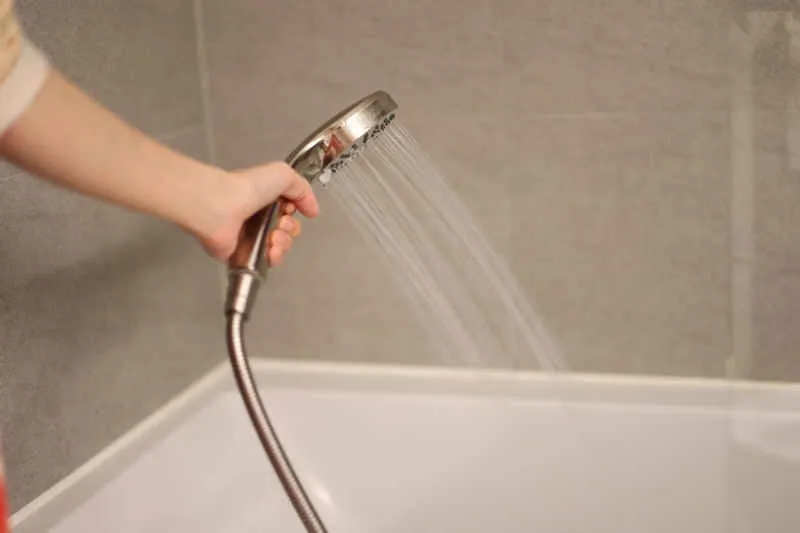

Nothing ruins a good shower like seeing those black spots creeping across your tiles or grout. Mold can’t get enough of bathrooms. They’re warm, damp, and have plenty of surfaces to grab onto.
The good news? You don’t have to give up your favorite high-pressure shower just to keep mold away. With the right habits and tools, you can pull excess moisture from the air and keep your bathroom fresh.
Dehumidifiers help, but so does a bit of regular cleaning and making sure your bathroom actually dries out.
This guide will break down why mold pops up in your shower, how to get rid of it, and what you can do to make sure it’s gone for good. There are plenty of easy ways to balance your love for steamy showers with practical steps that protect your home and honestly, your sanity.
Why Mold Thrives in Showers
Showers are basically a mold spa: they’re moist, warm, and the humidity gets trapped. Understanding how all these things work together is the first step to keeping your bathroom in check.
The Link Between High-Pressure Showers and Mold Growth
High-pressure showers blast more water droplets into the air than you’d think. Those tiny droplets end up clinging to walls, ceilings, and especially grout.
When water hangs around on surfaces, mold spores get a chance to settle in and start growing.
A hot, powerful shower also heats up the room fast. That warmth, mixed with leftover moisture, is a recipe for mold.
Understanding Humidity Levels and Poor Ventilation
If humidity goes above 60%, mold gets the green light. Bathrooms without good ventilation trap that damp air inside, making things worse.
When there’s not enough fresh air moving through, surfaces stay wet for hours. That’s when mold really takes off.
Signs of Mold and Musty Odor in Bathrooms
How do you know if you’ve got mold?
- Black or green spots on grout and caulking
- Pink or orange slime on shower surfaces
- Discolored patches on the ceiling or walls
A musty smell is usually the first hint. Sometimes you’ll smell it before you actually see anything.
Effective Mold Removal Strategies for Bathrooms
Getting rid of mold means using the right cleaning products, some protective gear, and a bit of elbow grease.
How to Remove Mold Safely and Thoroughly
Before you start scrubbing, open a window and flip on the exhaust fan. Gloves, an N95 mask, and goggles are a good idea—no one wants to breathe in spores.
Take towels and personal stuff out of the way. If the moldy area is smaller than 10 square feet, you can probably handle it yourself.
Commercial Mold Cleaners and Natural Alternatives
Commercial mold cleaners are fast and work well on tile and grout. Look for something EPA-registered and made for bathrooms.
Natural options like white vinegar work too just spray it on, let it sit for an hour, then scrub. A baking soda paste is another go-to. Don’t ever mix bleach with other cleaners, though.
Addressing Black Mold and Stachybotrys chartarum
Black mold loves showing up in grout and caulk. Not every black spot is the scary kind (Stachybotrys chartarum), but you still want to take it seriously.
If you keep seeing black spots or that musty smell won’t go away, it might be time to test or just replace the old caulk.
The Role of Mold Removal Products and Tools
Stiff brushes work great on grout, while soft cloths are better for tile. A caulk removal tool makes stripping out old, moldy silicone way easier.
Make sure to dry everything with a fan after you clean otherwise, mold could just come right back.
Preventive Measures: Dehumidifiers, Ventilation, and Mold Resistance
Keeping moisture under control is key. The right habits and a few smart upgrades can really tip the scales in your favor.
Choosing and Using Dehumidifiers in the Bathroom
Dehumidifiers pull moisture out of the air and keep humidity in check, aim for 30-50%. If your bathroom always feels damp, set a small dehumidifier near the shower.
Empty the tank every day and clean the filter once a month. Let it run during and after your shower for the best shot at keeping things dry.
Benefits of Exhaust Fans and How to Use Them
Exhaust fans get humid air out before it can do any damage. Run yours during every shower, and keep it on for 20-30 minutes after you’re done.
Clean the fan cover every few months to keep it working right. No exhaust fan? Just crack a window.
Sealing Grout Lines and Regular Maintenance
Seal grout lines once a year to keep water from seeping in. Check the caulk around your tub and shower every month.
If you spot a leak, fix it fast mold can show up in just a day or two. Replace cracked grout and old caulk as soon as you notice issues.
Incorporating Mold-Resistant Products and Materials
Mold-resistant paint is a smart move for bathroom walls and ceilings. Swap in a shower curtain that dries quickly and resists mold. These products have ingredients that keep mold at bay.
If you’re renovating, go for mold-resistant drywall and caulk.
Healthy Habits and Long-Term Mold Control
Little daily habits and a few upgrades can keep your bathroom mold-free for the long haul. The goal is to knock out moisture before it becomes a problem.
Squeegee After Shower: A Simple Routine
Grab a squeegee and give your shower walls and glass doors a quick swipe after every shower. It takes less than a minute and can cut moisture by up to 75%.
Keep your squeegee hanging up so you don’t forget. Focus on tiles, glass, and anywhere water tends to pool.
Routine Cleaning and Inspection
Clean your bathroom every week with a mold-killing product. Check corners, grout, and around fixtures for any early signs of trouble.
Wipe down spots that stay wet and take care of leaks right away. Mold can hide behind shower curtains and under bath mats, so don’t skip those spots.
Planning a Bathroom Remodel for Mold Prevention
A bathroom remodel is a good time to think about mold prevention. You can add features that’ll help for years.
Install a proper ventilation fan that vents outside. It’s a simple upgrade, but it makes a huge difference.
Go with mold-resistant drywall. Paint with mold inhibitors don’t skip that step.
Pick waterproof materials like ceramic tile or solid surfaces. Honestly, carpet in the bathroom is just asking for trouble. Stick with things that dry out fast if they get wet.