Siding Damage and Home Appraisals: What Homeowners Should Know
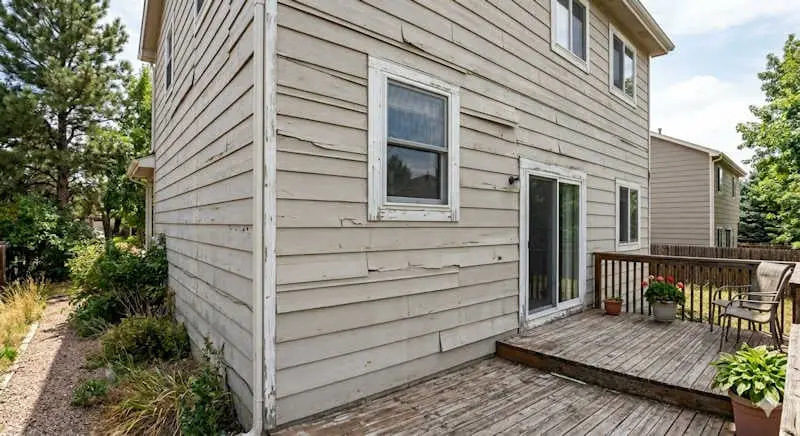

First impressions count, and nowhere is that more obvious than when an appraiser walks up your driveway. They are not simply tallying square footage; they are evaluating the whole story your house tells at a glance. Siding frames that narrative. Faded paint, warped panels, or missing trim signal potential neglect, while clean lines and a uniform finish whisper “well-kept.”
Because siding covers the majority of a home’s exterior, its condition can nudge a valuation up or down before the appraiser has even stepped inside. Understanding how those judgments form is the first step toward protecting your equity for the future.
The Quick Visual Scan Sets the Tone
Appraisers begin with what they can see without tools: color consistency, straight lines, and the way seams lie against flashing. If boards are bowed or paint has peeled back to bare fiber, they mentally log dollar signs for future repairs. One cited rule of thumb is that a blemish visible from twenty feet will likely be noted in the report. At this stage, calling a trusted siding contractor before the appointment often costs less than the hit an adjustment might impose.
Fresh caulk around vulnerable joints, replacement of a few cracked shakes, and a quick power-wash can reset that first impression. Just as importantly, documentation of recent work shows the appraiser that issues were preventive, not chronic, placing a ceiling on any deductions they contemplate during the final exterior sweep.
How Damage Translates Into Dollar Adjustments
Appraisers typically break siding-related deductions into two buckets: deferred maintenance and structural impairment. Deferred maintenance covers cosmetic flaws—flaking paint, superficial dents, light mildew staining—that suggest ordinary wear. These rarely sink a valuation outright, yet they chip away in small increments, perhaps one half of one percent each, depending on local market tolerance. Structural impairment, however, includes water intrusion, internal rot, or insect penetration.
Because these conditions threaten framing and insulation, adjustments spike sharply, sometimes three or four percent of market value. Appraisers study comparable sales, then back out calculated repair costs plus a neighborhood-specific stigma factor. Even if a buyer would demand a concession rather than walk away, the appraiser reflects that concession now, limiting your refinancing leverage. Ignoring minor damage today, therefore, snowballs into compounding appraisal penalties tomorrow quickly.
Repairs vs. Replacement: Cost-Benefit Math
When siding damage is localized, targeted repairs nearly always produce the best appraisal return on investment. Replacing ten cracked vinyl panels or one delaminated fiber-cement board may cost a few hundred dollars and one afternoon, yet appraisers will often restore thousands in lost value once defects disappear. Whole-house replacement is a larger calculus; appraisers do not credit every dollar spent, but they do respond to market expectations for materials.
In neighborhoods where composite or engineered wood dominates, dated aluminum can drag valuations, even if it is intact. Conversely, over-improving with cedar in a starter-home subdivision yields diminishing gains. Ask agents for sale photos to gauge finish level, then obtain two quotes—repair and replacement—to see which brings the higher net equity. Document whichever path you choose with paid invoices and warranties.
Timing Your Fixes Before an Appraisal
The calendar matters almost as much as the craftsmanship. Schedule exterior work at least two weeks before the lender orders an appraisal, allowing fresh paint to cure and any dust to wash away in the next rain. If you are already under contract with a buyer, coordinate with their inspection timeline so that improvements happen first; inspectors often flag cosmetic issues the appraiser might ignore if repairs are visibly underway.
Keep before-and-after photos with dates in a simple folder, and hand the appraiser a one-page summary of work completed, including costs. Though appraisers cannot accept persuasion, they may attach that sheet to the report as supporting evidence, anchoring their adjustment choices.
Finally, monitor weather: a sunny assessment shows colors truer than an overcast day, while melting snow can expose hidden patches you thought were finished, or loose caulk you missed.
Conclusion
A strong appraisal begins long before the clipboard appears on your porch. By spotting siding flaws early, matching repairs to neighborhood expectations, and timing work so it shines on inspection day, homeowners can safeguard thousands of dollars in equity. The effort is modest, the payoff substantial—and your home will look better, too.