Stop Gambling with Your Retirement: Smarter Investing Strategies That Actually Work
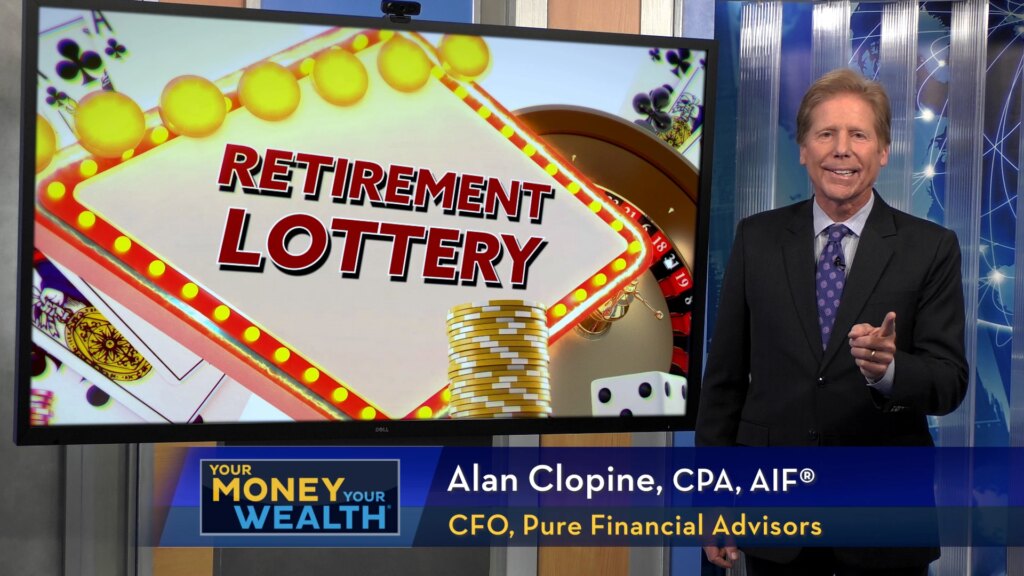
Retirement planning isn’t just about having enough money it’s about making sure your investment decisions don’t undermine decades of savings. Too many retirees treat their portfolios like a casino ticket, hoping for a home run from a single stock. The truth is that putting all your retirement funds into a single company may bring high returns in rare cases, but more often it introduces unnecessary risk and instability into your financial future.
One of the clearest distinctions in personal finance is the difference between investing and speculating. Investing means building a long-term strategy based on fundamentals, diversification, and risk management. Speculating, however, is short-term, high-risk decision-making driven by trends or tips. Speculation focuses more on luck than sound financial planning. Over decades, long-term investments outperform speculative bets for most individuals.
History shows why staying invested generally beats trying to time the market. The S&P 500 — the broad index of large U.S. companies often used to gauge stock market performance — has generated an average return of roughly 10.1% annually including dividends over the long term. Investopedia These returns reflect decades of growth across multiple economic cycles. While past performance isn’t a guarantee of the future, it helps explain why a diversified equity exposure is central to many retirement plans.
A common rule of thumb for retirees is the so-called 4% rule, which suggests withdrawing about 4% of your portfolio in the first year of retirement and adjusting that amount for inflation every year after. This approach was designed to help ensure savings last through a typical retirement span. Schwab Brokerage But hitting that rule and maintaining it depends on market returns and sequence-of-returns risk, especially early in retirement.
Balanced portfolios spread risk across different assets like stocks and bonds. A classic “60/40” portfolio 60% stocks and 40% bonds has historically delivered moderate returns with reduced volatility. Data suggests that over long periods, a globally diversified 60/40 portfolio has produced average annualized returns near 6.9% over the past decade, slightly above long-term norms. Vanguard That doesn’t mean bonds are risk-free — high-yield bonds carry more risk than safer Treasuries but a diversified mix helps manage overall portfolio swings.
Emotional reactions to market volatility can sabotage even well-built portfolios. Investors who sell during downturns often miss some of the best rebound days, which statistically drive a large portion of long-term returns. Staying invested and disciplined even during downturns generally produces better outcomes than trying to outguess the market.
Diversification means more than holding multiple mutual funds that all track the same set of assets. True diversification mixes asset classes U.S. stocks, international stocks, bonds, possibly real estate and other alternatives so that poor performance in one area can be offset by stability or gains in another. Regularly rebalancing back to your target allocation keeps your risk profile consistent over time.
Risk and return are fundamentally linked: conservative portfolios tend to have lower long-term returns but less volatility, while aggressive portfolios may offer higher returns at the cost of larger swings. Understanding your own risk tolerance helps tailor the right mix for your retirement stage.
Financial advisors can provide objective guidance, help you avoid speculative traps, and recommend structures like low-cost index funds that offer broad market exposure with lower fees. Even though assets like gold are seen as safe havens, over-investing in any single holding including precious metals can introduce risk if the rest of your portfolio lacks balance.
In the journey toward retirement, the biggest competitor isn’t the market it’s emotional decision-making. Long-term, diversified investing backed by a strategic plan is far more reliable than trying to time peaks and troughs or hoping for a single big winner. With discipline and a well-constructed portfolio, it’s possible to protect wealth and achieve financial peace of mind without treating retirement savings like a gamble.
Intended for educational purposes only. Opinions expressed are not intended as investment advice or to predict future performance. Past performance does not guarantee future results. Neither the information presented, nor any opinion expressed constitutes a solicitation for the purchase or sale of any security. Consult your financial professional before making any investment decisions. Opinions expressed are subject to change without notice.
IMPORTANT DISCLOSURES:
• Investment Advisory and Financial Planning Services are offered through Pure Financial Advisors, LLC. A Registered Investment Advisor.
• Pure Financial Advisors, LLC. does not offer tax or legal advice. Consult with a tax advisor or attorney regarding specific situations.
• Opinions expressed are subject to change without notice and are not intended as investment advice or to predict future performance.
• Investing involves risk including the potential loss of principal. No investment strategy can guarantee a profit or protect against loss in periods of declining values.
• All information is believed to be from reliable sources; however, we make no representation as to its completeness or accuracy.
• Intended for educational purposes only and are not intended as individualized advice or a guarantee that you will achieve a desired result. Before implementing any strategies discussed you should consult your tax and financial advisors.