The Hidden Cost of AI May Be Your Next Car

The hidden cost of AI may be your next car, as chip demand drives up prices and delays the vehicles shoppers need most.
Like a lot of people, I thought that chapter was over.
Now manufacturers are starting to talk about a new squeeze in the semiconductor world. At first, it sounds simple: artificial intelligence is using the chips that cars need. But that’s not quite right.
The better way to understand it is this: AI and cars usually don’t use the same exact chips. They compete for the same chip factories.
You may also like: Semiconductor Tariffs Could Raise Car Prices

Why This Chip Shortage Is Different
The last semiconductor crisis was easy to see. Dealer lots were empty. Used-car prices went wild. Automakers parked unfinished vehicles because one missing component could stop an entire production line.
This new pressure is less obvious, but it may be just as important. AI data centers use powerful processors such as NVIDIA’s Blackwell chips, which are designed for massive computing tasks. Those are not the same processors running your car’s infotainment screen, driver-assistance system or digital dashboard.
A modern vehicle uses automotive-grade chips built to survive heat, vibration, cold starts and years of daily abuse. They are not the same as the chips running large AI systems in data centers.
The problem is the runway.
Think of a chip factory like an airport. A cargo plane, a passenger jet and a private aircraft are all different. But if they need the same runway, someone has to wait.
That’s what is happening now. AI companies are demanding more wafers, more memory, more advanced packaging and more engineering time. Automakers need many of those same manufacturing resources to build the connected, software-heavy vehicles consumers now expect.
You may also like: The Future Is Feeling: How Smart Tech Is Re-Shaping Cars
Cars Are Becoming Rolling Computers
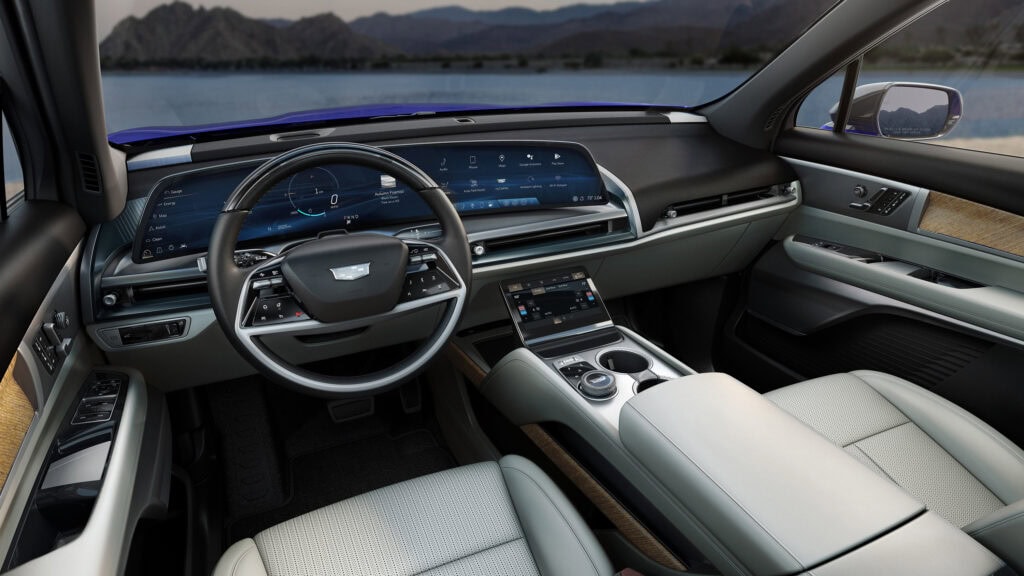
Twenty years ago, most drivers judged a car by its engine, transmission, comfort and reliability. Those things still matter. But now the experience begins the moment the screen wakes up.
Your car may check for software updates, load cloud-connected navigation, activate cameras, read road markings, monitor blind spots and manage battery temperature before you have even left the driveway.
All of that requires semiconductors.
A vehicle with advanced driver assistance, 5G connectivity, over-the-air updates and large digital displays depends on a deeper electronics supply chain than the cars many of us grew up with. The more software-defined vehicles become, the more exposed they are to chip manufacturing pressure.
This is why the AI boom matters to car buyers. It’s not because your SUV has the same processor as a data center. It’s because the world’s biggest technology companies are paying heavily for access to the same manufacturing ecosystem.
You may also like: GM Says Eyes-Off Driving Is Coming Soon
What Happened To American Chip Manufacturing?
America has not ignored the problem. The CHIPS and Science Act was created to strengthen domestic semiconductor manufacturing, research and supply chains. Companies have announced major investments in U.S. chip production, including memory, advanced manufacturing and packaging.
That’s good news, but it doesn’t solve the problem overnight.
Semiconductor factories are some of the most complex manufacturing sites on Earth. They take years to build, billions of dollars to equip and highly trained workers to operate. Even when new facilities are announced, it can take a long time before chips are flowing in meaningful volumes.
AI demand, meanwhile, is moving at internet speed. New data centers are being planned, built and filled with hardware as fast as companies can secure power, land and chips.[
That creates a timing problem. America is rebuilding capacity, but AI is consuming capacity right now through the same semiconductor manufacturing system.
You may also like: Cars Are Now on Faster Networks Than Their Drivers
Could This Make Cars More Expensive?
It could, but probably not the way we saw in 2021.
The next chip squeeze may not show up as empty dealership lots. It may appear as higher prices for technology packages, fewer discounts, delayed features, longer waits or more expensive lease payments.
The cost of a single chip may not transform the price of a vehicle by itself. But a modern car is a collection of thousands of decisions, parts,] and suppliers. When costs rise across the technology stack, consumers usually feel it somewhere.
I hope we don’t return to the days when a laptop, webcam or new vehicle becomes a waiting-list exercise. But this time, the pressure is different. Cars are not fighting AI because they use the exact same chips.
They’re fighting AI for space inside the factories that build the future.