The LinkedIn Paradox: Networking Tool, Personal Brand Stage, or Corporate Mirror?
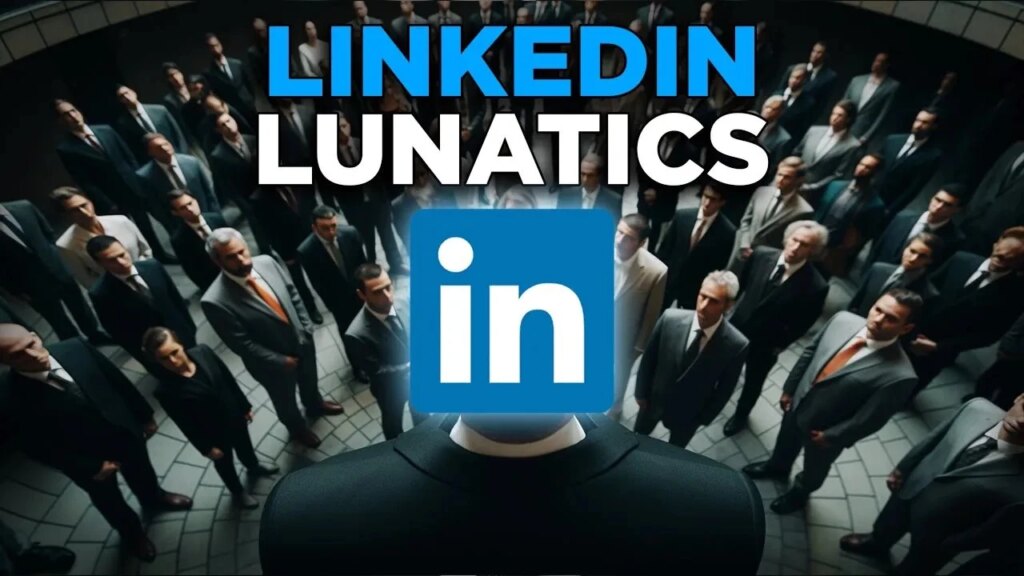
LinkedIn doesn’t behave like other social networks. You don’t log in to see vacation photos or memes you log in to see promotions, career pivots, layoffs, and humblebrags wrapped in “lessons learned.” It’s a platform built for opportunity, but it also creates pressure, comparison, and a carefully polished version of professional life.
Love it or hate it, LinkedIn has become one of the most powerful digital marketplaces for careers and corporate visibility. Understanding how it works and how it shapes behavior helps you use it wisely instead of being used by it.
LinkedIn Isn’t Just Social Media
Most social platforms monetize attention. LinkedIn monetizes ambition. That’s a big difference.
LinkedIn has grown into one of the world’s largest professional networks and was acquired by Microsoft in 2016 for $26.2 billion. Unlike entertainment-driven platforms, LinkedIn sits at the intersection of identity, income, and opportunity. Your profile isn’t just a page — it’s your digital résumé, reputation, and sometimes your first impression with a future employer.
That naturally changes how people behave. Posts tend to be more polished, more positive, and more self-promotional. People share wins, certifications, and promotions far more often than failures or frustrations. The result is a highlight reel of professional success that can distort reality.
A Highly Profitable User Base
LinkedIn’s business model is remarkably efficient. The platform generates billions in annual revenue largely through recruiting tools, job postings, advertising, and premium subscriptions.
Recruiters and companies pay significant sums for access to talent pipelines. A LinkedIn Recruiter license can cost thousands per year because hiring the right person is worth far more than the subscription price.
In simple terms: LinkedIn users are valuable because they represent employability, income potential, and business decision-making power. That makes the platform less about entertainment and more about economic utility.
The Digital Job Marketplace
LinkedIn has effectively become a global hiring marketplace. Standardized profiles make it easy for recruiters to scan experience, credentials, and networks quickly. For employers, this reduces search costs and speeds up hiring.
For job seekers, it creates visibility but also competition. When hundreds of applicants can apply to a role in one click, standing out becomes harder. The platform rewards those who optimize keywords, credentials, and activity.
But this system also introduces imbalance. Candidates are often expected to share detailed professional histories, while job listings may remain vague about salary, workload, or expectations. Transparency is not always equal on both sides.
The Comparison Trap
Only a small percentage of users post regularly, yet those voices dominate the feed. That creates a skewed perception of constant achievement. Promotions, startup launches, speaking gigs, and certifications fill timelines, making it easy to feel behind.
The truth is quieter: most professionals are simply working, learning, and progressing gradually. LinkedIn compresses years of effort into bite-sized announcements, which can distort how success looks and how fast it arrives.
The Culture of Positivity and Silence
LinkedIn culture leans heavily positive. Public criticism of employers is rare because reputational risk is real. Many workers worry that negative posts could hurt future opportunities.
This creates a kind of corporate diplomacy. Praise is public; complaints are private. While that maintains professionalism, it can also limit honest dialogue about workplace realities.
Layoffs and the “Gratitude Post”
One of the most telling LinkedIn trends appears after layoffs. It’s common to see posts thanking companies for the opportunity despite being let go. On one hand, this is strategic maintaining goodwill while job hunting. On the other, it reflects how tightly personal branding is tied to employability.
These posts often serve as signals to recruiters: “I’m available, and I’m professional.” They can be effective, but they also highlight how the platform incentivizes image management.
Using LinkedIn Without Letting It Use You
LinkedIn is neither good nor bad it’s a tool. The value comes from how intentionally you use it.
It can help you:
• Build a credible professional presence
• Network with decision-makers
• Discover job opportunities
• Establish thought leadership in your field
But it can also encourage over-comparison, performative productivity, and constant self-marketing.
A healthy approach is to treat LinkedIn as a professional resource, not a scoreboard. Use it to learn, connect, and showcase real value not to measure your worth against someone else’s highlight reel.
The Bottom Line
LinkedIn reflects modern work culture: competitive, visible, and increasingly digital. It rewards clarity, credibility, and consistency. But behind every polished post is a human career journey with ups and downs.
The smartest users remember that LinkedIn is a marketplace, not a mirror of reality. Use it strategically, contribute thoughtfully, and don’t mistake visibility for value.
All writings are for educational and entertainment purposes only and does not provide investment or financial advice of any kind.