The One-Page Financial Plan That Can Change Your Future
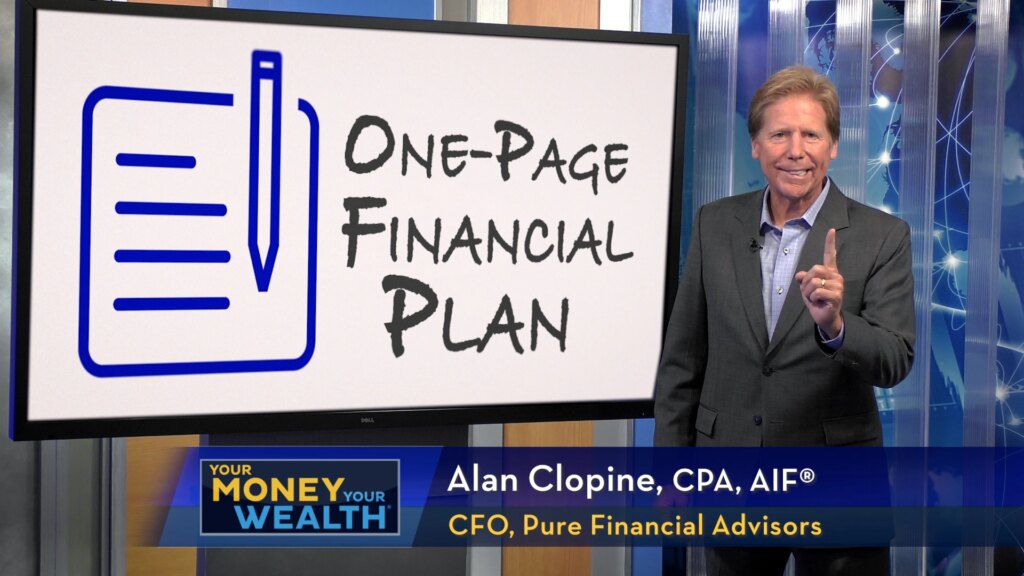
Most people don’t fail financially because they’re reckless. They struggle because they never build a clear plan. I’ve seen high earners live paycheck to paycheck and modest earners quietly build wealth the difference is often structure, not income.
A financial plan doesn’t need to be a 50-page binder full of charts. In fact, the simpler it is, the more likely you are to use it. A one-page plan can be enough to guide your decisions, clarify your priorities, and keep you on track.
Let’s walk through what that looks like.
Why So Few People Have a Plan
Research consistently shows that a surprisingly small percentage of people maintain a written financial plan. Many say it feels too complicated. Others say they don’t have time. Some believe they don’t earn enough to justify planning.
But a plan isn’t about how much money you have it’s about how you use what you have. Whether you’re just starting out or approaching retirement, structure helps.
Think of it this way: if you don’t tell your money where to go, it will disappear on its own.
The Power of a One-Page Plan
A one-page financial plan removes the intimidation factor. You can literally sketch it on a sheet of paper. The goal is clarity, not perfection.
At minimum, your plan should include:
• A vision for your financial future
• Your savings rate
• Basic asset allocation
• Key action steps
This isn’t about predicting markets. It’s about creating direction.
Start With Your Vision
Ask yourself: what does financial success look like to you? Early retirement? Freedom from debt? Travel? Supporting family? Your goals shape your strategy.
Without a target, it’s easy to drift.
Know Your Cash Flow
Cash flow is the engine of every financial plan. If you don’t know where your money goes, you can’t control it.
A helpful starting point is separating expenses into needs and wants. Needs are housing, food, insurance, utilities. Wants are lifestyle choices.
Tracking spending often reveals easy improvements. Small leaks add up over time.
Some frameworks suggest broad guidelines like allocating the majority of income to living costs while leaving room for saving, investing, and giving. The exact percentages matter less than consistency and awareness.
Consistency Beats Perfection in Saving
Saving regularly matters more than timing markets. Many planners suggest aiming for around 15% of income toward retirement when possible, but the right number depends on your goals and timeline.
The earlier you start, the easier compounding works for you. Delay saving, and the required monthly amount later can become much larger.
Wealth building is less about dramatic moves and more about steady habits.
Understand Retirement Income
A strong plan looks at future income sources:
• Social Security
• Pensions
• Investment withdrawals
The familiar 4% rule is a rough guideline, not a guarantee, but it helps estimate sustainable withdrawals. For example, $500,000 might support about $20,000 per year in withdrawals under that framework.
The key question is whether projected income supports your expected lifestyle.
Taxes Matter More Than Most People Think
Investment returns don’t exist in a vacuum taxes take a share. Understanding tax treatment improves net results.
• Stocks held long term often benefit from lower capital gains rates
• Bond and cash interest is taxed as ordinary income
• Tax-deferred accounts like 401(k)s are taxed at withdrawal
• Tax-free accounts like Roth IRAs can provide tax-free income later
Diversifying across tax categories gives you flexibility in retirement. It lets you choose where income comes from to manage tax brackets.
Build Tax Awareness Into Your Plan
A mix of taxable, tax-deferred, and tax-free accounts can improve after-tax retirement income. Tax planning isn’t just for the wealthy it affects anyone drawing from investments.
Understanding how withdrawals are taxed can help your money last longer.
Don’t Forget an Emergency Fund
An emergency fund protects your plan from unexpected shocks. Without it, people often tap investments or take on debt at the wrong time.
A common guideline is 3–6 months of expenses, though those with variable income or higher risk may want more. The right number depends on job stability and comfort level.
Cash provides flexibility; investments provide growth. A balance of both supports resilience.
Review and Adjust
A plan isn’t static. Life changes income shifts, families grow, priorities evolve. A quick annual review keeps your plan relevant.
The goal isn’t to predict every twist in life. It’s to build a framework that adapts.
The Real Takeaway
Financial planning doesn’t need to be overwhelming. A clear, simple plan often works better than a complex one you never revisit.
When you write down your goals, track your cash flow, save consistently, and stay tax-aware, you build momentum. Over time, small disciplined steps can create meaningful results.
The one-page plan works because it’s actionable. And the best financial plan is the one you actually follow.
Intended for educational purposes only. Opinions expressed are not intended as investment advice or to predict future performance. Past performance does not guarantee future results. Neither the information presented, nor any opinion expressed constitutes a solicitation for the purchase or sale of any security. Consult your financial professional before making any investment decisions. Opinions expressed are subject to change without notice.
IMPORTANT DISCLOSURES:
• Investment Advisory and Financial Planning Services are offered through Pure Financial Advisors, LLC. A Registered Investment Advisor.
• Pure Financial Advisors, LLC. does not offer tax or legal advice. Consult with a tax advisor or attorney regarding specific situations.
• Opinions expressed are subject to change without notice and are not intended as investment advice or to predict future performance.
• Investing involves risk including the potential loss of principal. No investment strategy can guarantee a profit or protect against loss in periods of declining values.
• All information is believed to be from reliable sources; however, we make no representation as to its completeness or accuracy.
• Intended for educational purposes only and are not intended as individualized advice or a guarantee that you will achieve a desired result. Before implementing any strategies discussed you should consult your tax and financial advisors.