Top 25 Jobs Paying More as Boomers Retire


The workforce is going through a big change as more Baby Boomers retire, leaving many jobs empty in fields that need special skills. This shift is changing the job market, making some skills more important than ever.
I find this interesting because it is creating real money-making chances in the United States. It seems like fewer people know how to fix things these days, which is making skilled trade jobs very valuable.
As Baby Boomers leave work, companies are rushing to find workers to fill these roles. This growing gap is causing high demand and higher pay for those who can do these important jobs.
A recent survey showed that 82% of business leaders worry about losing key knowledge when workers retire. This shows how urgent the problem is and the chances for younger people to take on these roles.
In this article, we will talk about 24 high-paying jobs where Baby Boomers’ skills are hard to find. We will share salary ranges and the chances for younger workers to learn these skills and meet the rising need.
What do you think? Are there other jobs you believe should be added? Share your thoughts in the comments!
Construction Manager

Construction managers guide building projects from start to finish, leading teams of workers and making sure work is done on time and within budget. This job needs both technical know-how and good leadership, so skilled construction managers are in high demand.
They usually make between $70,000 and $120,000 a year, with chances to earn more on big projects. As Baby Boomers with many years of experience retire, the construction field needs new leaders more than ever.
If there aren’t enough skilled construction managers, building projects might face delays and quality could suffer from poor supervision.
Auto Repair Shop Owner

Running an auto repair shop means you need to know a lot about car repairs and how to manage a business. Many shop owners today are Baby Boomers who have spent many years fixing different types of car problems.
Owners of auto repair shops can make between $50,000 and $100,000 a year, with the chance to earn more if the shop does well. This job mixes hands-on skills with running your own business, giving you the chance to be your own boss.
As experienced owners retire, there may be fewer trusted repair shops available, which could cause repair prices to rise and longer waits for car service.
Real Estate Appraiser

Real estate appraisers play a crucial role in the property market, assessing the value of homes and commercial buildings. This job requires a keen eye for detail and a deep understanding of local property markets.
Many current appraisers are Baby Boomers with decades of experience, and fewer young people are entering the profession. Real estate appraisers can earn between $50,000 and $85,000 per year, with potential for higher earnings in busy markets.
The job involves visiting properties, analyzing market trends, and producing detailed reports on property values. A shortage of skilled appraisers could slow down real estate transactions and potentially impact the accuracy of property valuations.
Electrician

Electricians play a crucial role in our modern world, maintaining and installing electrical systems for homes, businesses, and factories. Their work ensures that we have safe and reliable access to electricity in our daily lives.
The technical knowledge required for this job makes it an essential and high-paying profession. Electricians can earn between $55,000 and $100,000 annually, depending on their experience and location.
As more experienced electricians retire, there’s a growing need for new talent in this field. Without enough skilled electricians, we could face delays in construction projects and difficulties maintaining our electrical infrastructure.
Plumber
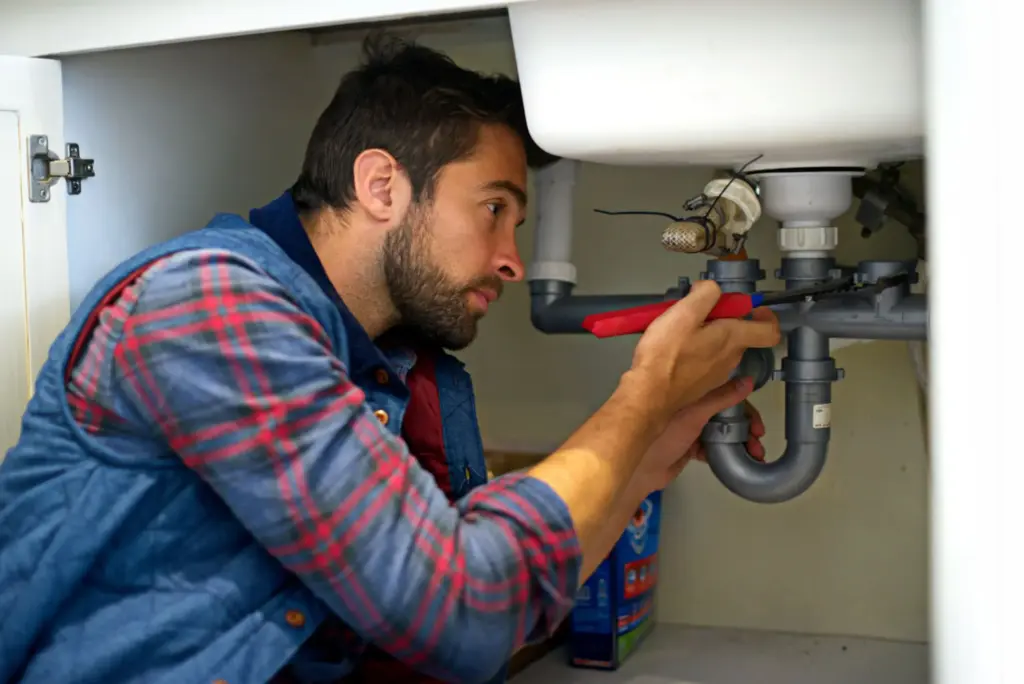
Plumbers are the quiet heroes in our homes and workplaces, making sure we have clean water and working sanitation systems. Their work is important for both houses and businesses, and their skills are always needed.
Plumbers can make between $50,000 and $90,000 each year, so it can be a good career choice. The job needs both technical knowledge and problem-solving skills because plumbers often have to find and fix tricky problems in pipes.
As experienced plumbers retire, there may be longer waits for repairs and possible water damage if there aren’t enough skilled workers to do the jobs.
HVAC Technician

HVAC technicians specialize in heating, ventilation, and air conditioning systems, keeping our indoor environments comfortable year-round. Their expertise is increasingly important as energy-efficient systems become more complex and in demand.
HVAC technicians can earn between $45,000 and $80,000 annually, with opportunities for higher pay as they gain experience. The job involves installing, maintaining, and repairing climate control systems in homes, offices, and industrial settings.
With the growing focus on energy efficiency and indoor air quality, skilled HVAC technicians are more crucial than ever. A shortage of these professionals could lead to longer wait times for repairs and less efficient climate control systems in buildings.
Manufacturing Plant Manager

Running a manufacturing plant needs a special mix of technical know-how, leadership ability, and business understanding. Plant managers handle all parts of production, making sure everything works well, meets quality standards, and stays safe.
Many plant managers today are Baby Boomers who have spent many years working in their fields. Manufacturing plant managers can make between $75,000 and $130,000 a year, with chances for higher pay at big or specialized plants.
As these skilled managers retire, there is a chance that efficiency and quality control in manufacturing could drop. This might cause slower production and higher costs for buyers.
Heavy Equipment Operator
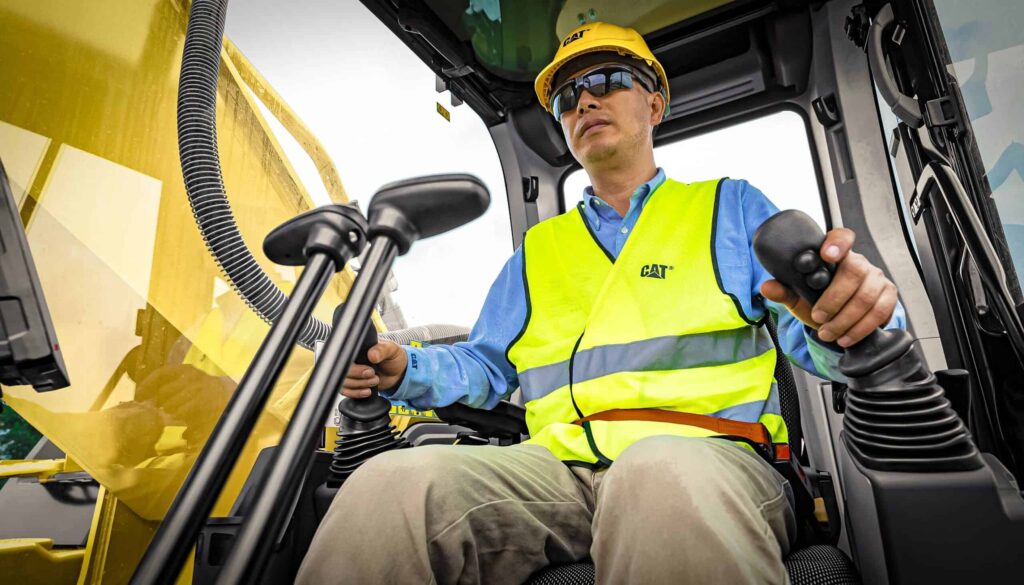
Heavy equipment operators play a vital role in construction, mining, and infrastructure projects, operating machines like bulldozers, cranes, and excavators. This job requires skill, precision, and a deep understanding of safety procedures.
Many current operators are Baby Boomers, and there’s a growing shortage of younger workers entering this field. Heavy equipment operators can earn between $50,000 and $85,000 per year, with potential for higher pay on specialized or high-risk projects.
The job offers the satisfaction of seeing immediate results from your work and being part of large-scale projects. A lack of skilled operators could slow down construction and infrastructure projects, potentially leading to increased costs and delays in critical development work.
Boat Mechanic
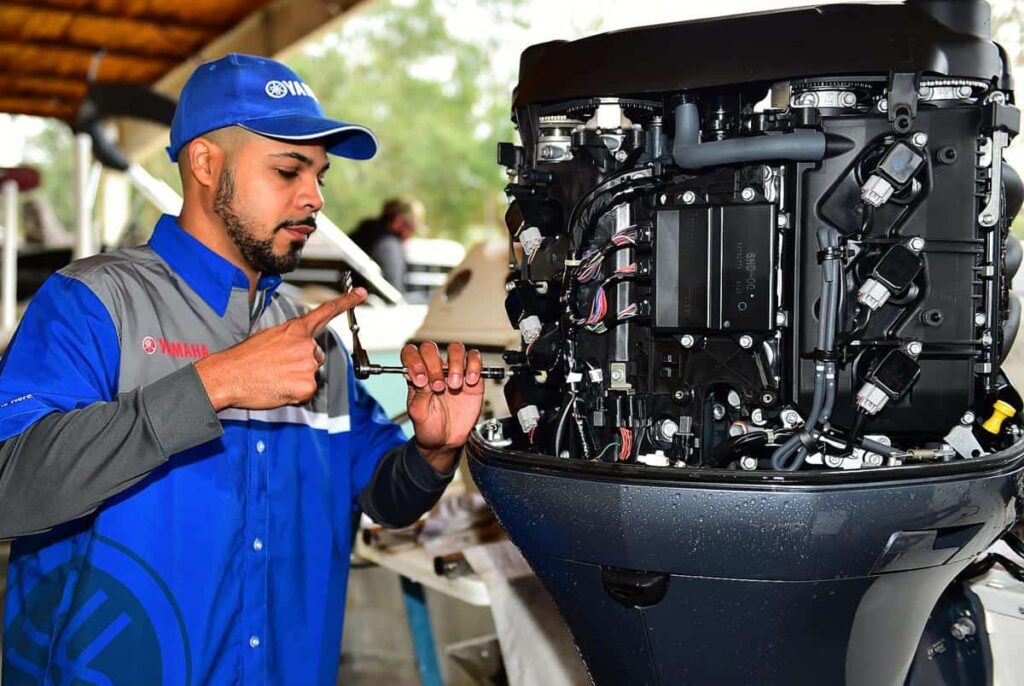
Boat mechanics keep watercraft running smoothly, performing maintenance and repairs on everything from small speedboats to large yachts. With the growing popularity of recreational boating, skilled boat mechanics are in high demand.
Many current boat mechanics are Baby Boomers, creating opportunities for younger people to enter this field. Boat mechanics can earn between $40,000 and $75,000 annually, with higher earnings possible for those specializing in luxury or commercial vessels.
The job requires a mix of mechanical skills, problem-solving abilities, and knowledge of marine systems. A shortage of skilled boat mechanics could lead to longer wait times for repairs, potentially impacting both recreational boating and commercial marine operations.
 If you like what you are reading, then click like and subscribe to my newsletter. We share tips to waste less time and money.
Industrial Machinery Mechanic
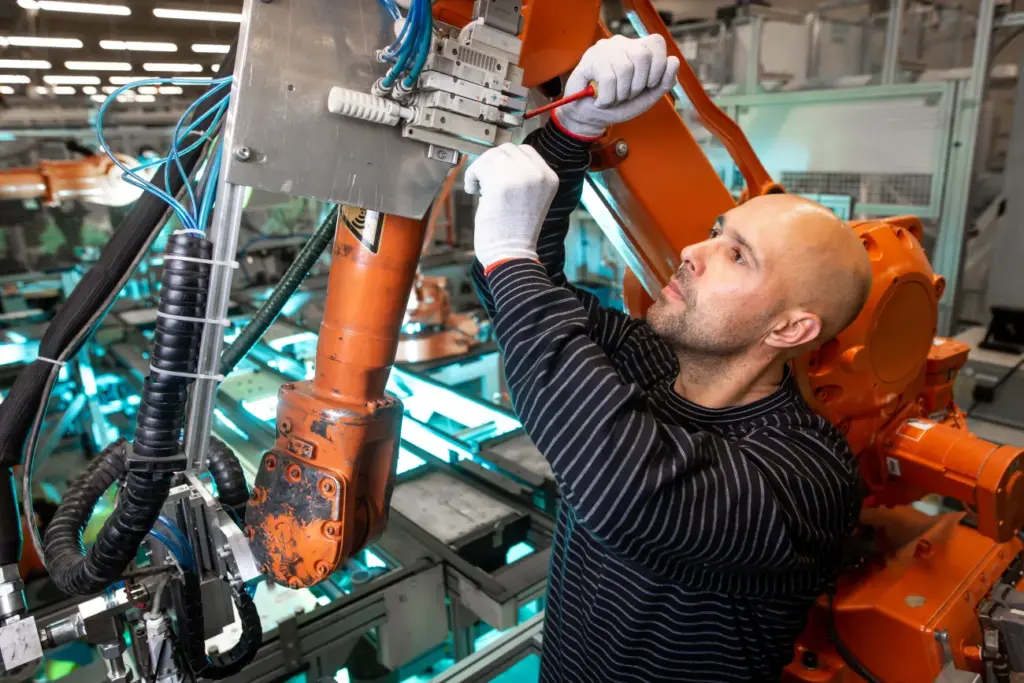
Industrial machinery mechanics make sure machines in factories and production sites work well. This job is very important in manufacturing, where many of the current mechanics are Baby Boomers.
These mechanics can earn from $50,000 to $85,000 a year, with chances to make more in special industries or by having extra skills. The work needs good knowledge of different machines, problem-solving skills, and the ability to handle busy work settings.
If there are not enough skilled mechanics, factories may have more machine breakdowns, which can stop production and raise costs for companies and buyers.
Crane Operator
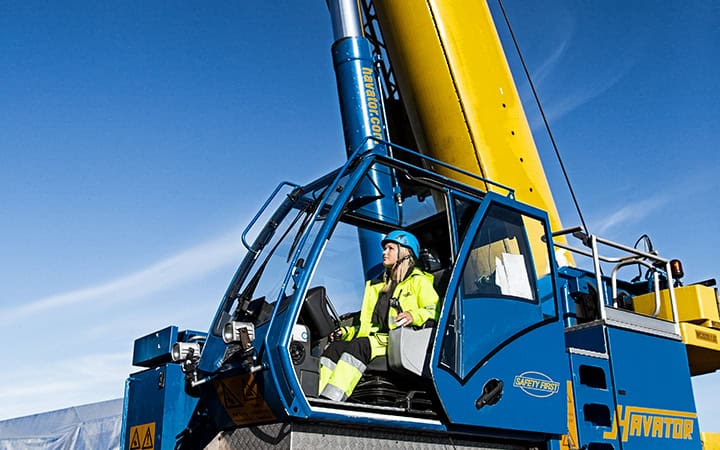
Crane operators play a critical role in construction and shipping, operating the large machines that move heavy materials and equipment. As Baby Boomer crane operators retire, there’s a growing need for skilled professionals in this field.
Crane operators can earn between $50,000 and $85,000 annually, with opportunities for higher pay on large-scale or specialized projects. The job requires precision, spatial awareness, and a strong focus on safety procedures.
A shortage of skilled crane operators could slow down construction projects and port operations, potentially leading to increased costs and delays in building and shipping industries.
Truck Driver (Long-Haul)

Long-haul truck drivers are key to our nation’s supply chain, moving goods across the country. The trucking field is short of drivers because many Baby Boomers are retiring.
Long-haul truck drivers can make between $50,000 and $75,000 a year, with chances to earn more for owner-operators or those with special cargo skills. The job allows travel and working alone, but it also means long hours and being away from home.
Not having enough skilled truck drivers might cause delays in deliveries and higher shipping costs, which could affect many industries and the prices people pay.
Roofing Contractor

Roofing contractors play a vital role in construction and home maintenance, installing and repairing roofs to protect buildings from weather damage. Many current roofing contractors are Baby Boomers, creating opportunities for younger workers as they retire.
Roofing contractors can earn between $40,000 and $85,000 annually, with potential for higher earnings for those who run their own businesses or specialize in commercial roofing. The job requires physical stamina, attention to detail, and knowledge of various roofing materials and techniques.
A shortage of skilled roofing contractors could lead to delays in construction projects and increased risk of water damage in homes and businesses due to poorly maintained roofs.
Landscape Architect

Landscape architects plan outdoor areas, using both creativity and technical skills to make spaces that are useful and nice to look at. Many skilled landscape architects are Baby Boomers, which gives younger people a chance to enter this field.
Landscape architects can make between $60,000 and $100,000 each year, with higher pay for those working on big or important projects. The work includes designing parks, gardens, and other outdoor places, taking into account things like weather, soil type, and local rules.
A shortage of skilled landscape architects could lead to poorer city planning and fewer chances to build green spaces that improve our neighborhoods.
Funeral Director

Funeral directors play a sensitive and crucial role in our communities, helping families navigate the difficult process of laying their loved ones to rest. Many current funeral directors are Baby Boomers, and as they retire, there’s a need for compassionate and skilled professionals to take their place.
Funeral directors can earn between $50,000 and $85,000 per year, with potential for higher earnings for those who own their own funeral homes. The job requires a combination of business skills, empathy, and knowledge of funeral practices and regulations.
A lack of experienced funeral directors could lead to less personalized and less efficiently managed funeral services, adding stress to families during already difficult times.
Welding Inspector

Welding inspectors check the safety and quality of welds used in manufacturing, building, and infrastructure work. Many current welding inspectors are Baby Boomers with many years of experience, so there is a need for new workers in this job.
Welding inspectors can make between $60,000 and $100,000 each year, with chances to earn more in special industries or on big projects. The job needs a strong knowledge of welding methods, skill in understanding technical papers, and great attention to detail.
A lack of skilled welding inspectors could put the safety and strength of welded structures at risk, possibly causing expensive repairs or unsafe failures in important infrastructure.
Custom Furniture Maker

Custom furniture making is becoming popular again as people want special, well-made items for their homes. Many experienced workers in this field are Baby Boomers, opening chances for younger makers to join.
Custom furniture makers usually earn between $40,000 and $75,000 a year, with the chance to make more if they build a good name or focus on luxury pieces. The work blends creativity with woodworking skills and needs knowledge of different materials and finishing methods.
If there are not enough skilled custom furniture makers, fewer high-quality, personal furniture choices will be available. This could affect home design and reduce options for unique furniture.
Mechanical Aptitude

Understanding how things work is crucial for many of these jobs. Develop your mechanical reasoning skills through practice and study. Take apart and reassemble things, work on cars or appliances, or try online tutorials and simulations to improve your mechanical understanding.
Problem-Solving Skills

Many of these jobs need quick thinking and creative problem-solving. Improve these skills by doing puzzles, brain teasers, or real-life challenges. Try to break big problems into smaller, easier parts and find new ways to solve them.
Physical Fitness and Endurance

Many of these jobs need physical strength. Begin a workout plan that increases your power, endurance, and bending ability. Do exercises that copy the actions you will do at work, like lifting, climbing, or standing for a long time.
Entrepreneurial Mindset

For people who want to have their own businesses, building skills for running a business is very important. Study business management, marketing, and money matters by taking online classes, reading books, or joining local business workshops.
Work on helping customers well and find out how to use your time and resources in a good way.
Continuous Learning

Technology and best practices in these fields are always evolving. Cultivate a habit of continuous learning. Stay updated on industry trends, attend workshops and conferences, and be open to new techniques and technologies in your field.
Technical Training
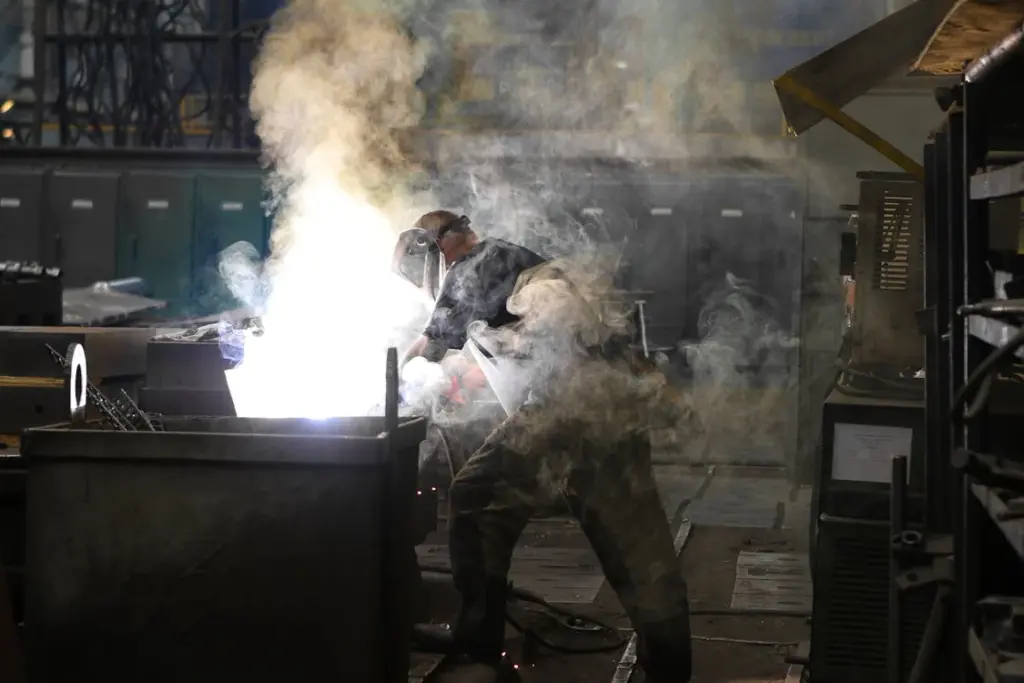
Many of these jobs need special technical skills that you can get by attending trade schools, vocational programs, or apprenticeships. These programs usually mix classroom lessons with hands-on work, giving you the skills and experience needed to do well. Find approved programs near you or online classes that give certificates in the field you want.
Licensing and Certifications

Several of these jobs require specific licenses or certifications to ensure legal compliance and safety. Research the requirements for your chosen field and plan to obtain the necessary credentials.
Many trade organizations offer certification programs, and some employers will help you get certified while you work.
Hands-On Experience

Doing things again and again helps you get better in these hands-on jobs. Find internships, apprenticeships, or beginner jobs where you can get real experience. Don’t worry about starting small; even working on projects at home or volunteering can help you learn important skills.
Seize the Opportunity

The retirement of experienced Boomers is opening many doors in different fields. These well-paid jobs give more than just good pay; they let you grow a rewarding career and make a real difference in the community.
If you are ready to gain these needed skills, the future looks promising. With effort and commitment, you can prepare yourself to step into important positions and earn a good living.
These chances are available now, waiting for people ready to accept the challenge. One of these jobs could be your future career, giving you the chance to build a successful and satisfying work life.
If you like what you just read, then subscribe to my newsletter.
- A Troubling Trend: 30 Life Skills Younger Generations Don’t Know How To Do Anymore
- Retired but Want More Money? 27 High-Paying Jobs Retirees Can Start Immediately
AI was used for light editing, formatting, and readability. But a human (me!) wrote and edited this.