Toyota Celica vs. Honda Prelude: The Affordable-Car Test
Toyota Celica vs. Honda Prelude raises a useful question: can Toyota deliver an attainable coupe where Honda asks buyers to spend more than $43,000?
By Nik J. Miles
Honda has brought back the Prelude, and Toyota is bringing the Celica name back to rallying. For Americans hoping those familiar badges will restart an affordable sports-car rivalry, there is one awkward detail: only the Honda currently has a verified U.S. showroom specification and price.
The opportunity for Toyota is nevertheless interesting. Honda’s hybrid coupe offers specialized suspension, useful efficiency and distinctive styling, but its price leaves room beneath it. A future road-going Celica could exploit that opening if Toyota makes affordability a design priority. That remains an editorial proposition, rather than an announced product plan.
You may also enjoy this video:
Toyota Celica vs. Honda Prelude Starts With What Is Confirmed
Toyota’s November 3 motorsport announcement confirms a GR Celica Rally1 for the 2027 World Rally Championship, alongside a new GR Yaris Rally1. It does not provide a U.S. road-car launch date, retail price or production-car specification. A competition announcement cannot supply those missing answers.
That distinction matters when discussing supposed horsepower figures, hybrid systems or all-wheel drive for a showroom Celica. None should be presented as settled specifications on the strength of this release. Shoppers cannot compare a priced production Honda with an imagined Toyota and declare the Toyota better value. Imaginary cars have remarkably low running costs.
You may also enjoy: 2026 Honda Prelude Review: Is Slower More Fun?
The Prelude’s Price Creates the Opening
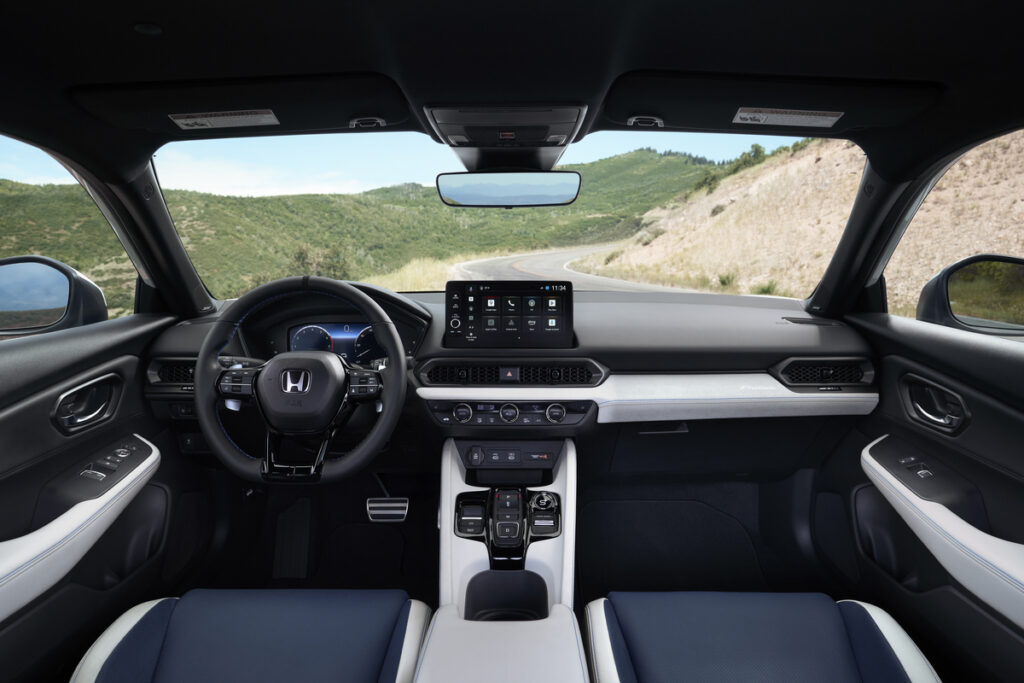
Honda lists the 2026 Prelude at $42,000 plus $1,195 destination, or $43,195 before taxes, registration, options and dealer charges. Its single well-equipped trim limits the opportunity to buy a simpler version. A customer who wants the shape and chassis must also accept the equipment bill.
There is substance behind that bill. Honda specifies Type R-derived dual-axis front suspension, adaptive dampers and four-piston Brembo front calipers. Those components address steering behavior, body control and braking, rather than merely improving a brochure photograph. Whether they justify the premium depends on how much the buyer values those qualities during everyday driving.
You may also enjoy: America’s $50,000 Car Problem: Higher Prices, Fewer Buyers
Calling the Prelude an affordability failure would overlook its mission. Honda describes a grand-touring coupe, with comfort and efficiency alongside handling. The sharper criticism is that Honda has left budget-conscious enthusiasts without an entry-level Prelude. That is the opening Toyota would need to address.
Hybrid Efficiency Has Value, but It Needs Honest Math
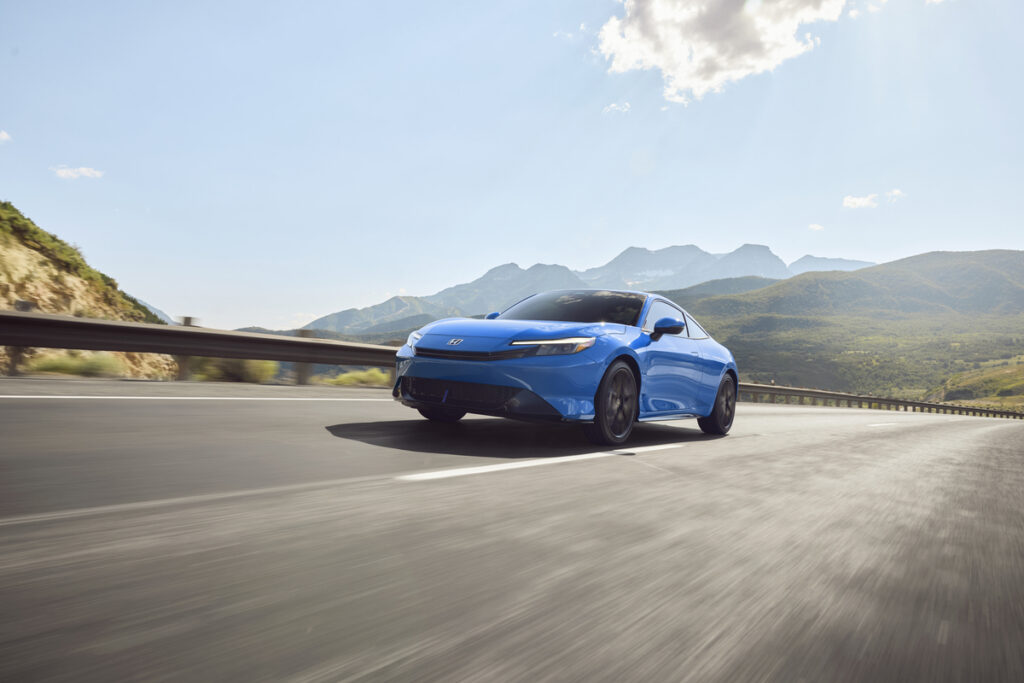
The Prelude delivers 200 total system horsepower through front-wheel drive. Honda lists EPA estimates of 46 mpg city, 41 highway and 44 combined. A conventional hybrid combines gasoline and electric propulsion without requiring the owner to plug in. Its regenerative braking recovers some energy that would otherwise become heat during slowing.
Honda’s S+ Shift adds simulated gear changes to a hybrid drivetrain without a conventional stepped gearbox. Drivers who enjoy changing engine sounds and paddle interaction may appreciate the effect. Someone whose enjoyment depends on operating a clutch pedal will have a different requirement. Neither preference can be resolved by counting horsepower.
You may also enjoy: 2026 Honda Civic Review: Hybrid Is the Smart Buy
Efficiency can reduce ownership costs without erasing a large purchase premium. At an illustrative 12,000 annual miles and $3.50 gasoline, a 44-mpg car uses about $955 of fuel annually; a hypothetical 30-mpg alternative uses $1,400. The difference is roughly $445. Use the federal fuel-cost calculator with your mileage and local prices before making savings part of the purchase argument.
What an Attainable Celica Would Need to Deliver
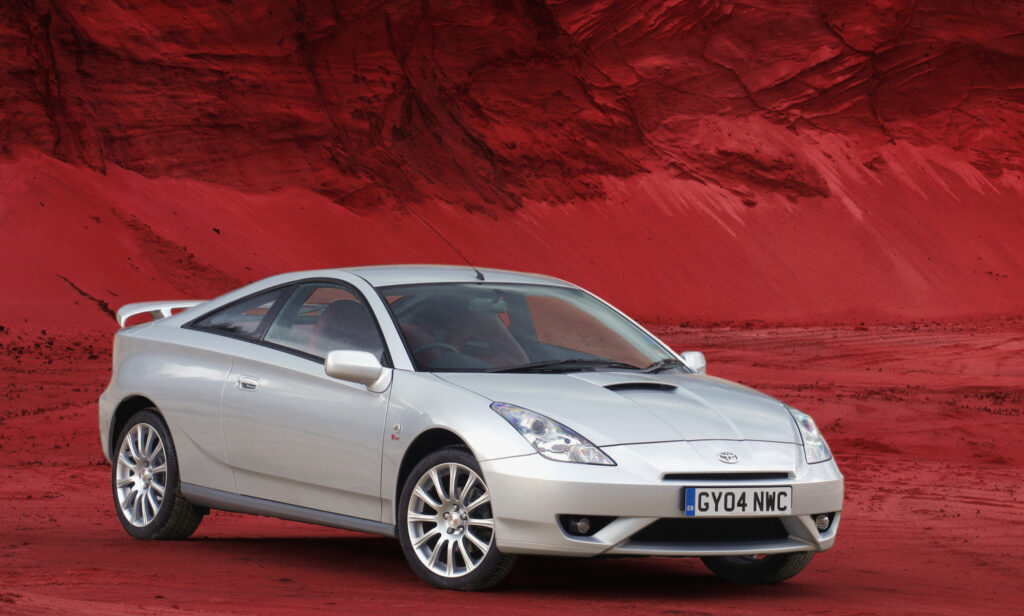
Toyota already sells a more traditional enthusiast coupe in the GR86, with rear-wheel drive and an available manual transmission. A Celica would need a clear reason to sit alongside that car. Simply attaching another familiar badge to another expensive performance model would leave the affordability question unanswered.
My preferred brief would start with a meaningful price gap below the Prelude, useful luggage access, supportive seats and controls that reward ordinary-road driving. An affordable base trim should retain the essential chassis engineering while allowing buyers to decline expensive decorative extras. These are recommendations for Toyota, not predictions about a confirmed car.
You may also enjoy: 2026 Ford Mustang Review: EcoBoost or GT?
Ownership needs the same discipline. Check replacement tire requirements, insurance quotes and service costs before deciding a cheaper sticker guarantees a cheaper car. Compare loan terms and total borrowing costs, rather than allowing a longer repayment period to manufacture an attractive monthly payment.

Should Buyers Wait for Toyota?
If you need a car now, shop cars you can actually inspect and price. The Prelude deserves consideration if an efficient, comfortable coupe fits your life. A GR86 addresses a more traditional driving brief, while a Civic Hybrid deserves a look if four-door usefulness matters more than coupe styling. Test the rear-seat access and carry your usual luggage.
You may also enjoy: 2026 Honda Accord Review: Buy the EX-L Hybrid
Check how the driver-assistance features operate during a demonstration, too; their presence does not make a car self-driving. Practical competence matters even when the purchase begins with enthusiasm.
Toyota could build the attainable coupe this debate is asking for. The Celica name alone will not accomplish it. The convincing answer would be a confirmed U.S. road car with a clear purpose and an accessible delivered price. Until Toyota supplies those details, the Prelude has a real value question to answer—and the Celica remains a possibility, rather than the bargain that has already beaten it.