Uber Robotaxis Are Now Driving Without Humans
Uber robotaxis built by Lucid and powered by Nuro AI are now testing without human drivers in California, ahead of a public launch in 2027.
By Nik J. Miles | November 24, 2026
There was a time when the most awkward part of an Uber journey was deciding whether to make conversation with the driver. In parts of California, that particular social dilemma is about to disappear altogether.
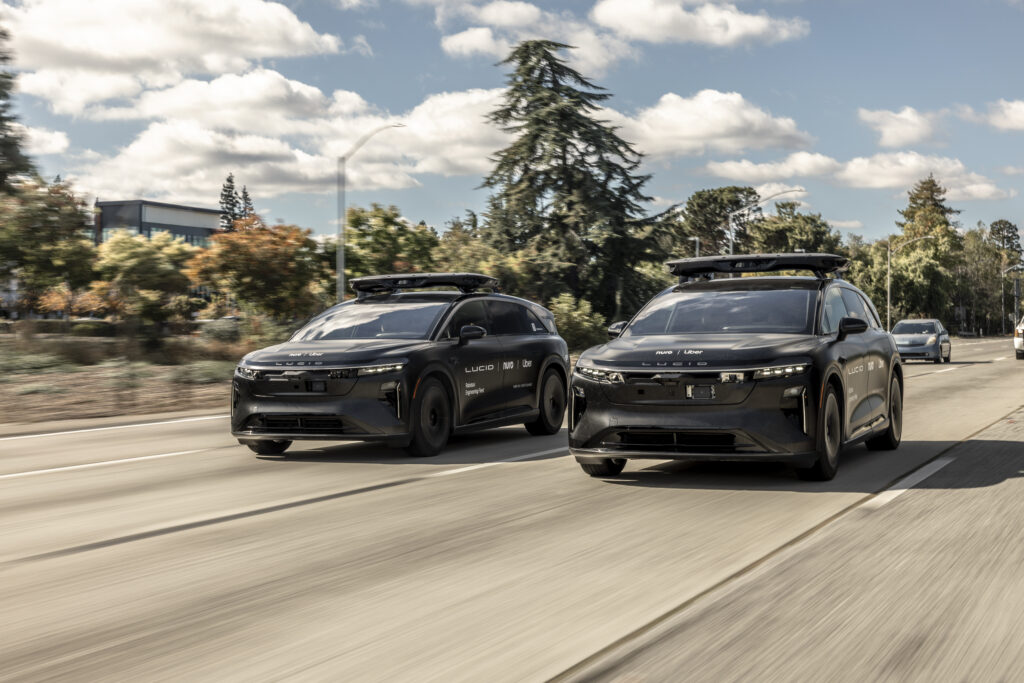
Uber, electric vehicle manufacturer Lucid and autonomous technology specialist Nuro announced today that their new generation of robotaxis has begun testing on public roads without human safety drivers. The vehicles are based on the luxurious Lucid Gravity electric SUV, fitted with artificial intelligence capable of assuming responsibility for the driving.
Before you reach for your smartphone, however, these particular vehicles aren’t available to the general public just yet. Commercial passenger rides are targeted for the first quarter of 2027.
You may also enjoy: Tesla Cybercab Hits Dallas: No Wheel, Now With Starlink
You may also like this video:
Where Uber Robotaxis Are Driving Without Humans
The initial driverless testing covers Palo Alto, Mountain View, Los Altos and Sunnyvale in California’s Silicon Valley. Additional Bay Area communities are expected to join the program next year.
According to the companies’ announcement, Lucid has supplied more than 100 updated vehicles for the next development phase. That doesn’t mean every vehicle is already operating without a driver, but it demonstrates the scale of the preparation.
Until now, supervised testing allowed a human operator to intervene when necessary. Removing that person introduces an entirely different engineering responsibility. The vehicle must manage unexpected situations without depending on somebody sitting behind the steering wheel.
California’s driverless testing permits authorize specific companies to conduct such operations within approved conditions. Permission to test, however, should not be confused with unrestricted authorization to carry paying passengers.
You may also enjoy: Tesla Cybercab Could Change Who Drives Your Uber
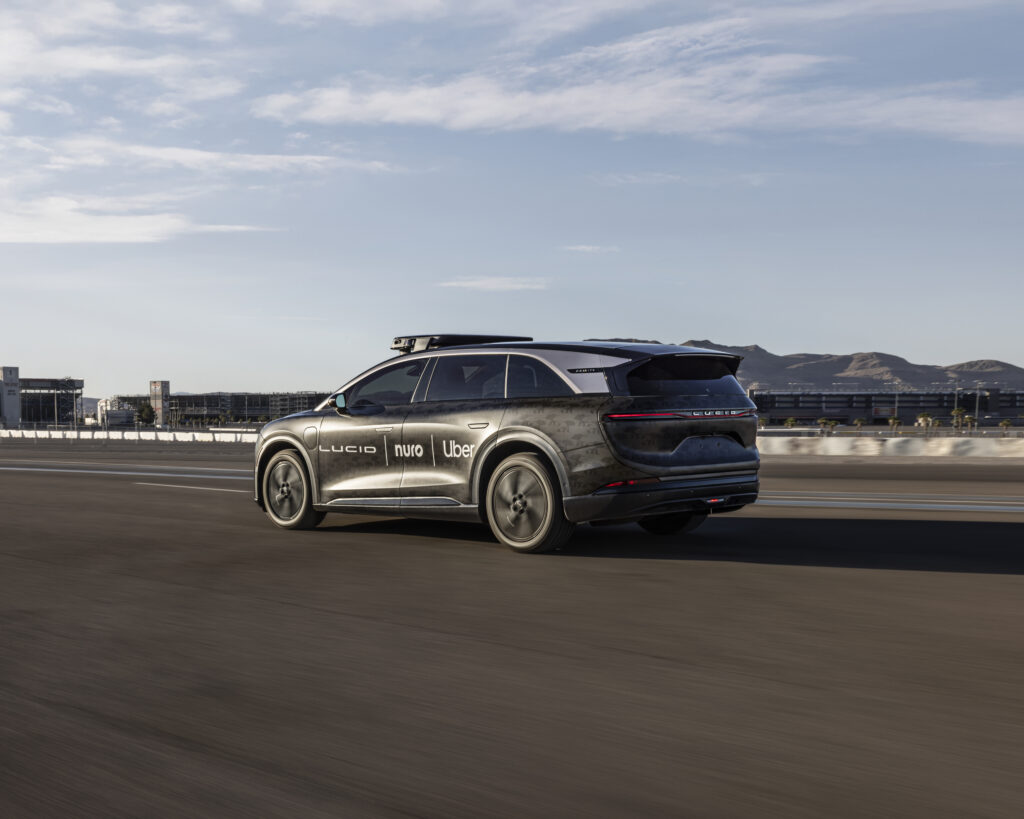
A Luxury SUV With an Artificially Intelligent Chauffeur
Uber’s approach differs considerably from Tesla’s purpose-built, two-seat Cybercab. Rather than developing an entirely new automobile, the partnership starts with an existing luxury electric SUV and adapts it for autonomous transportation.
The robotaxi’s distinctive roof-mounted sensor assembly works alongside cameras, radar and lidar, which uses laser light to measure distances and map surrounding objects. Combining these technologies gives the automated driving system different ways of interpreting its environment.
The vehicle uses NVIDIA computing hardware to process information and make driving decisions. Its passenger environment is equally interesting. Lucid’s original CES announcement described seating configurations accommodating as many as six passengers, interactive entertainment and climate controls, and displays explaining the vehicle’s intended movements.
Passengers are also expected to have access to customer support and a function allowing them to request that the vehicle pull over. That last feature may prove considerably more reassuring than heated seats during somebody’s first driverless journey.
You may also enjoy: Waymo Airport Rides: Las Vegas Goes Driverless
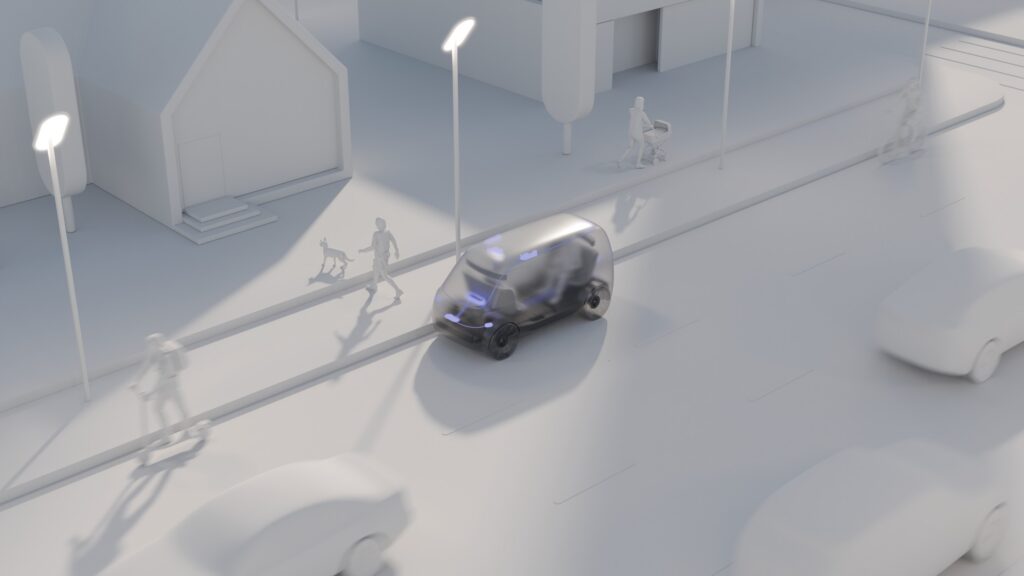
Can Artificial Intelligence Really Replace the Driver?
Nuro’s technology is designed for Level 4 automation. As the National Highway Traffic Safety Administration explains, this allows an automated driving system to undertake the driving responsibilities within specified operating conditions without requiring a human driver to intervene.
Level 4 does not mean a vehicle can drive everywhere in every conceivable circumstance. There may be restrictions involving geography, roads, weather and other environmental conditions.
The real challenge is dealing with situations that don’t follow the usual rules. A police officer directing traffic through an intersection, a temporary construction diversion or an emergency vehicle approaching from behind can require decisions that go beyond interpreting ordinary road markings.
Nuro says its development process combines simulation, controlled-track exercises and real-world road testing. Federal automated driving guidance also identifies the importance of evaluating how these systems handle failures and unusual operating circumstances.
Removing the safety driver represents confidence in the technology’s readiness for this testing phase. It does not establish that the technology is universally safer than a human driver. That requires meaningful performance data and comparisons under similar conditions.
You may also enjoy: Hyundai Robotaxis: Why Waymo and Motional Both Matter
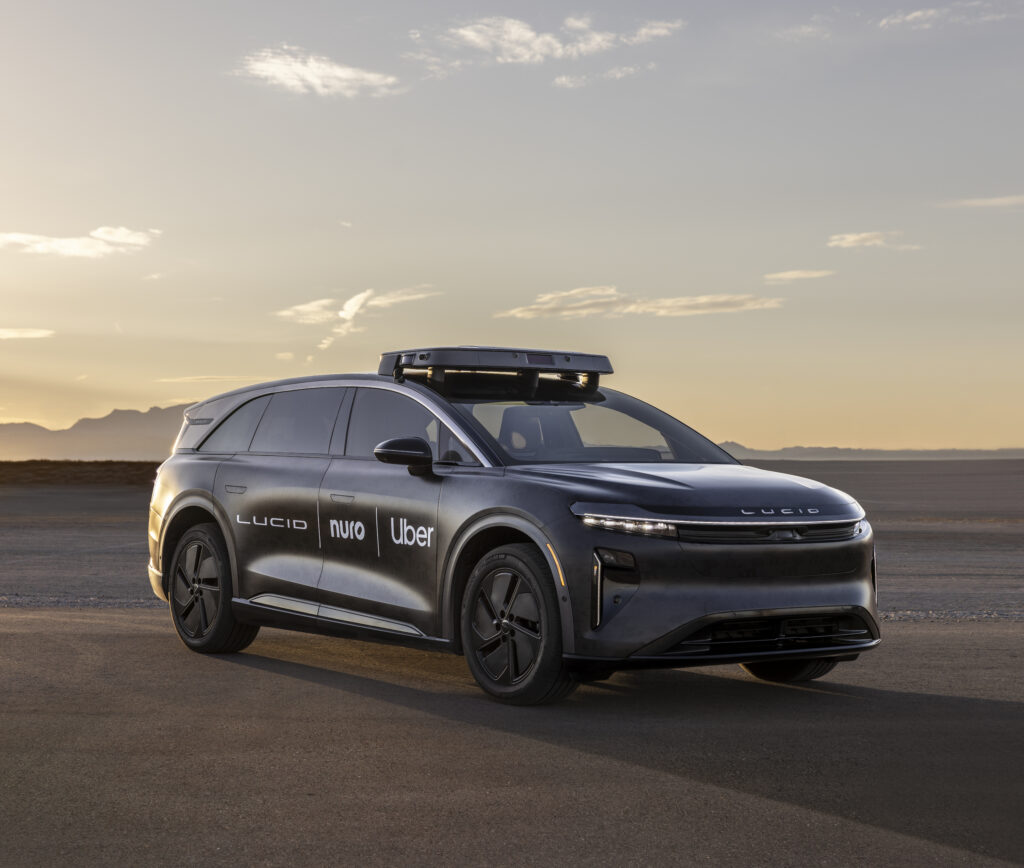
Uber Wants at Least 35,000 Lucid Robotaxis
Perhaps the most consequential number in today’s announcement is 35,000. Uber has committed to purchasing at least that many Lucid vehicles equipped with Nuro’s autonomous technology, with ambitions extending into international markets.
The agreement includes the Gravity and future Lucid midsize vehicles. For Lucid, fleet orders represent an opportunity to develop a substantial business beyond selling luxury electric cars to private owners.
Uber, meanwhile, has an incentive to work with several manufacturers and autonomous technology providers. If one company’s vehicles are better suited to airport journeys and another’s to inexpensive urban transportation, Uber could potentially offer both through the same application.
It also gives Uber a way to compete against Waymo and Tesla without having to manufacture every vehicle or independently develop every piece of autonomous driving software.
Human drivers aren’t disappearing from Uber overnight. Driverless fleets still require maintenance, cleaning, charging, insurance, customer assistance and considerable investment. Whether removing the driver’s wages eventually translates into cheaper fares remains an unanswered commercial question.
You may also enjoy: Rivian R2 Robotaxis in 2028 – What It Means for EV Buyers
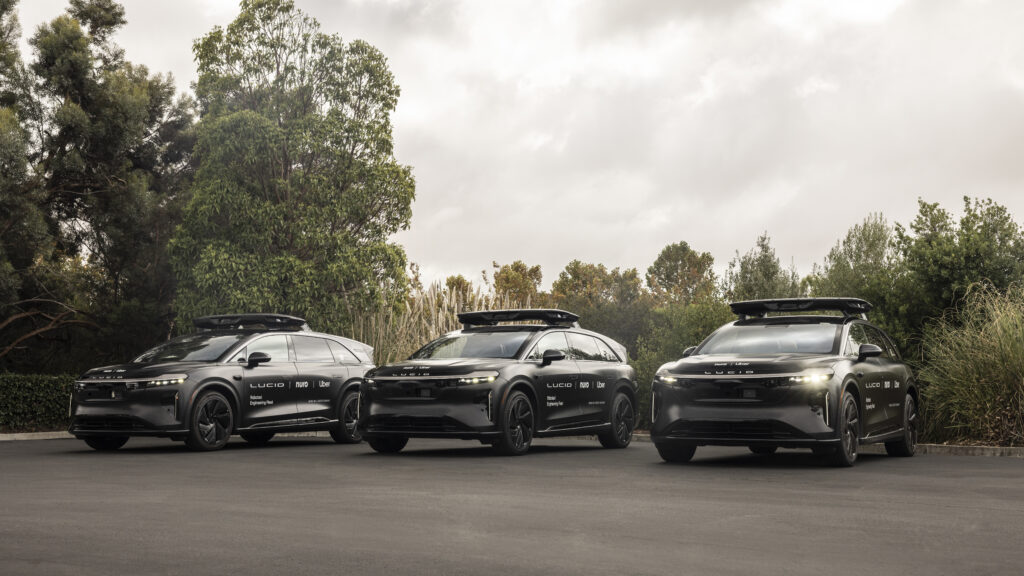
When Can You Book a Driverless Lucid Through Uber?
The current target is January through March 2027 for the initial public introduction in the San Francisco Bay Area. The specific launch date, fares and complete passenger service boundaries have yet to be established publicly.
California’s autonomous passenger service programs involve separate regulatory requirements from vehicle testing. Readers should watch for confirmation of commercial passenger authorization alongside the service announcement.
When rides become available, check whether the vehicle can serve your destination, accommodate your luggage and provide appropriate accessibility assistance. Familiarize yourself with the passenger support and emergency procedures before beginning the journey.
The Test Miles Verdict
What makes this development particularly interesting is that Uber is bringing autonomous transportation to a vehicle that already resembles something Americans might want to own. A spacious luxury SUV could make a driverless journey feel considerably less experimental than climbing into an unfamiliar two-seat transportation pod.
For passengers, however, the important measurements will be reliability, affordability and availability. A robotaxi that cannot reach your destination or costs substantially more than a conventional ride has limited everyday appeal, regardless of how sophisticated its technology might be.
Uber, Lucid and Nuro have now removed the human from behind the steering wheel. Their next challenge is convincing the human in the back seat that the journey is worth paying for.