Understanding the Hidden Costs of Delayed Home Repairs
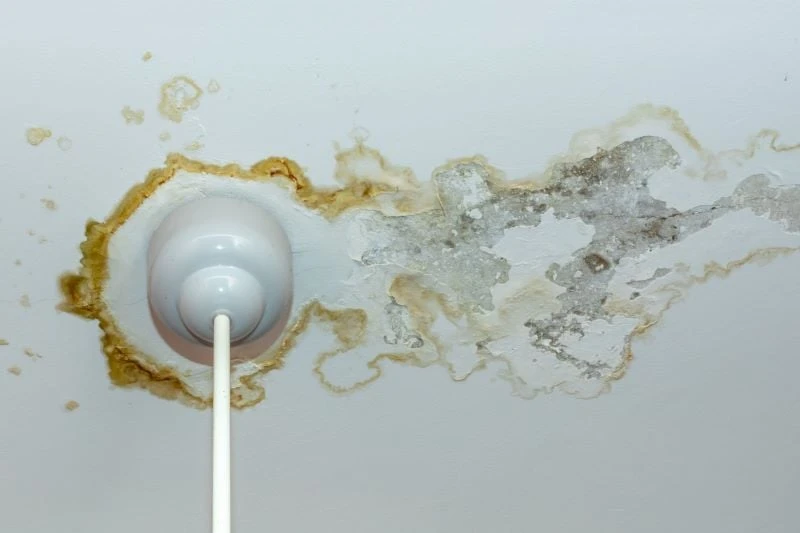
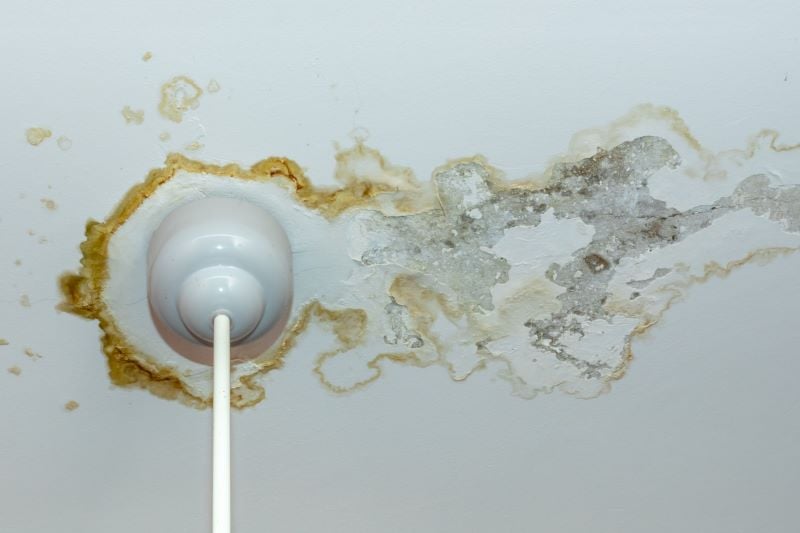
That leaky faucet you’ve been ignoring for months might seem like a minor inconvenience, but it’s quietly draining your wallet while you sleep. Postponing home repairs rarely saves money, and the true financial impact extends far beyond the initial fix you’re avoiding.
The Domino Effect of Water Damage
Water stands as one of the most destructive forces in your home. A small leak under the sink might start as a few drops, but moisture creates an environment where mold thrives, wood rots, and structural integrity weakens.
What begins as a $150 plumbing repair can quickly escalate into thousands of dollars in damage. The floor beneath that leaking pipe absorbs water daily, warping the subflooring and potentially damaging floor joists. Your kitchen cabinets soak up moisture, causing particleboard to swell and veneers to peel away.
Mold Remediation Costs
Once mold establishes itself in your home, removal becomes expensive and complicated. Professional mold remediation typically costs between $1,500 and $3,500 for moderate cases, but extensive infestations can exceed $10,000. Health risks compound these financial burdens, particularly for family members with respiratory conditions or compromised immune systems.
The presence of mold also complicates future home sales. Disclosure laws in most states require sellers to reveal known mold issues, which can kill deals or force significant price reductions. Even after cleanup, you’ll need documentation proving professional water damage restoration services from Elevate Pro Restoration completed the work properly.
Structural Deterioration Nobody Sees
Foundation cracks and roof leaks work silently behind walls and above ceilings. By the time visible signs appear, substantial damage has already occurred.
A small foundation crack might cost $300 to seal today. Left unattended, water infiltration widens the crack through freeze-thaw cycles, allowing more water to penetrate and undermine the foundation. Within a few years, you’re facing foundation stabilization work costing $5,000 to $25,000 or more.
Roof repairs follow similar patterns. Missing a few shingles after a storm seems minor, but exposed underlayment deteriorates rapidly. Rain enters the roof deck, saturating insulation and dripping onto ceiling joists. A $400 patch job transforms into a $15,000 roof replacement with additional costs for repairing water-damaged ceilings, insulation, and electrical systems.
Energy Efficiency Losses Add Up
Delayed repairs create invisible monthly expenses through wasted energy. Drafty windows, inadequate insulation, and poorly sealed doors force your HVAC system to work overtime.
A failing water heater operates less efficiently, consuming more energy to maintain temperature. Waiting until it catastrophically fails means living without hot water and potentially dealing with flood damage. Replacing it proactively costs around $1,200, while emergency replacement with water cleanup can easily double that expense.
Air leaks around windows and doors might increase your energy bills by 20 to 30 percent annually. For a home with $2,000 yearly heating and cooling costs, that represents $400 to $600 in wasted money every year. Over five years of procrastination, you’ve spent enough on excess energy to have replaced those windows.
Pest Infestations Through Neglected Openings
Small gaps in siding, deteriorating window frames, and damaged roof vents provide entry points for unwanted guests. Mice need openings only a quarter-inch wide, while rats require just half an inch.
Once rodents establish nests in your walls or attic, they gnaw on electrical wiring (creating fire hazards), damage insulation, contaminate surfaces with droppings, and reproduce rapidly. Professional pest removal and damage repair typically costs $1,000 to $3,000, compared to the $200 it might have cost to seal entry points initially.
Termites present an even more expensive problem. These insects cause billions in property damage annually across the United States. A delayed repair that allows moisture to accumulate creates ideal conditions for termite colonies. Treatment and repair costs average $3,000 but can reach $10,000 or more for extensive infestations.
Insurance Complications and Coverage Denial
Homeowners insurance covers sudden, accidental damage but specifically excludes damage from neglected maintenance. When you file a claim for a burst pipe that flooded your basement, the adjuster investigates whether the pipe showed signs of deterioration you should have addressed.
Evidence of rust, slow leaks, or previous moisture damage can result in claim denial. You’ll pay out of pocket for repairs that insurance would have covered had you maintained your plumbing properly. This distinction costs homeowners thousands of dollars annually.
Your insurance company may also increase premiums after discovering deferred maintenance issues, even without filing a claim. During policy renewals or inspections, obvious neglect signals higher risk, justifying rate increases.
Property Value Depreciation
Every delayed repair chips away at your home’s market value. Buyers and their inspectors identify deferred maintenance immediately, using it as leverage for price reductions or repair credits.
A home inspection report listing multiple outstanding repairs sends a clear message about how you’ve maintained the property. Buyers assume if visible items need attention, hidden problems likely exist too. This perception can reduce your selling price by 5 to 10 percent or more.
Properties requiring significant repairs also attract fewer buyers, extending time on the market. Each additional month of carrying costs (mortgage, utilities, insurance, taxes) while your home sits unsold represents real financial loss.
The Compounding Interest Factor
When small repairs grow into major projects, many homeowners resort to financing. Credit cards, home equity loans, or emergency savings withdrawals carry financial consequences beyond the repair costs themselves.
A $500 repair paid from monthly cash flow causes minimal disruption. The same problem ignored until it requires $8,000 in fixes might mean 18 months of credit card payments at 18 percent interest, adding nearly $1,200 in interest charges.
Taking Action Before Costs Multiply
The most effective strategy involves addressing repairs promptly and maintaining a home maintenance fund. Setting aside 1 to 2 percent of your home’s value annually creates a buffer for inevitable repairs.
Schedule regular inspections of critical systems like roofing, HVAC, plumbing, and foundation. Professional eyes catch developing problems before they become emergencies. Spending $300 on an annual inspection can prevent thousands in avoidable damage.
Keep detailed maintenance records. Documentation proves proper care to insurance companies and future buyers while helping you track recurring issues that might signal larger problems.
Your home represents a significant investment deserving proactive protection. The money you think you’re saving by delaying repairs is actually costing you far more in ways you might not immediately recognize. Taking action today prevents tomorrow’s expensive disasters.