Used Car Airbag Warning: Hidden Killer in the Wheel
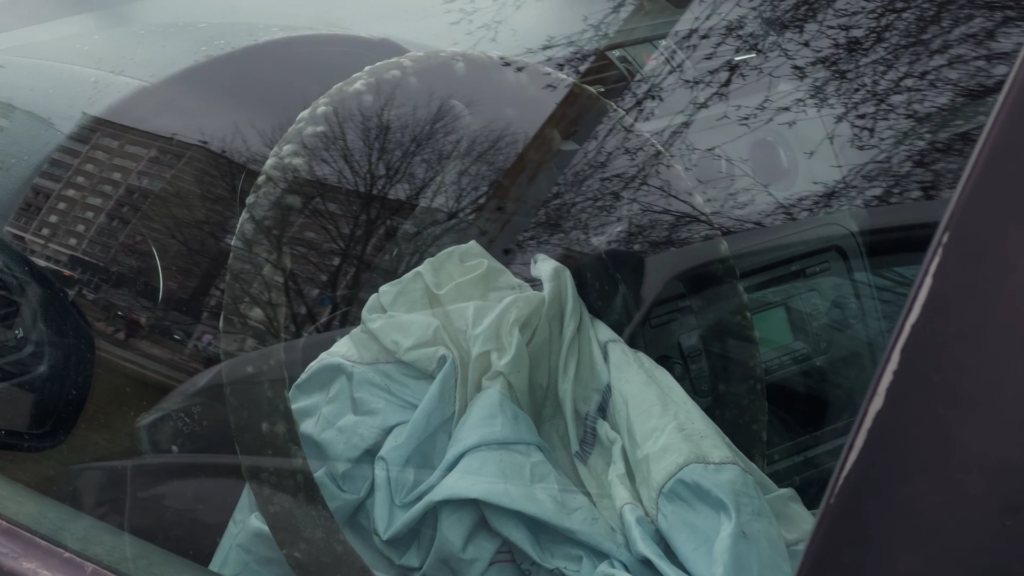
Not in the brakes. Not in the tires. Not even in the engine bay, where used-car shoppers usually begin poking around with the confidence of someone who once watched half a repair video and now owns a flashlight. This danger is inside the steering wheel.
The problem is a replacement airbag inflator marked DTN60DB that could explode. Instead of saving your life, this airbag could end up deadly in what would otherwise be a survivable crash.
How a Replacement Airbag Can Turn Deadly
In a crash, a driver airbag is supposed to inflate in milliseconds and help protect the person behind the wheel. It’s one of the most important safety systems in the car. It’s not a decorative panel. It’s not a comfort feature. It’s also not the sort of part you want repaired with a bargain-bin substitute after a previous accident.
These defective replacement inflators can rupture instead of deploying properly. In plain English, the airbag does not simply fail. It can explode. When that happens, metal fragments can be fired into the driver’s chest, neck, face, or eyes. The part designed to save your life can become the thing that kills you. That sounds dramatic because the reality is dramatic.
Why Standard VIN Checks Miss This Airbag Risk
The warning is especially serious because this is not a normal recall story. A normal recall is usually tied to a vehicle’s original equipment. An automaker identifies a defect, works with federal regulators, and the repair is connected to the vehicle identification number. You type in the VIN, check for recalls, and see whether your specific car needs work. This is different.
These are aftermarket replacement parts. They may have been installed after a crash, after an airbag deployment, after an airbag theft, or after a repair that did not use original equipment parts. That means the vehicle itself may not show up in a standard recall search. A VIN check can come back clean, and the wrong replacement airbag inflator may still be sitting inside the steering wheel.
The National Highway Traffic Safety Administration has warned consumers specifically about these deadly replacement airbag inflators. It’s also moved to ban the sale and import of the defective inflators involved in these crashes. They’re on it, but you still need to be cautious if you’re buying a used car.
DTN60DB: The Airbag Inflator Marking to Watch For
Federal officials say the suspect replacement inflators are marked DTN60DB. There may also be barcode labels with number sequences such as 144415654 666631 or 144415654 666633. Figuring out if you have one of these inflators, however, is a bit tricky. Do not pull apart your steering wheel. Do not probe the airbag wiring. Do not remove trim panels around what is an explosive safety device. It’s not like a loose cupholder or a squeaky glovebox latch you can try to fix on your own.
According to NHTSA, these DTN-equipped airbags can be difficult to identify while still installed. If trained technicians need guidance, the rest of us should not be treating this as a driveway inspection. Take your car to someone who knows how to safely inspect the airbag and determine if it’s one of those impacted by the recall.
Visual Clues That May Signal a Bad Airbag Replacement
There can be warning signs, but they are not foolproof. The steering wheel airbag cover may not match the original texture or color of the interior. The SRS letters may look poorly formed. The normal tear seams may be missing or distorted. There may be signs that the cover was cut, shaved, or forced to fit. But a suspect airbag can also look normal enough to fool a casual buyer. This is why you have to get the car inspected.
If you are buying a used car, especially one with a crash history, airbag deployment, theft history, total-loss record, rebuilt title, salvage branding, or repairs done outside a certified repair center, ask direct questions. Was the driver airbag ever replaced? Was the replacement part genuine original equipment? Can the repair be documented? Who performed the work? If the seller does not know, becomes vague, defensive, or suddenly remembers another appointment, that’s a red flag.
Why a Pre-Purchase Inspection Must Include the Airbag
A proper pre-purchase inspection should not only check the engine, brakes, tires, and suspension. It should also consider the safety systems, especially when the vehicle has a known accident history. A technician, dealership, or qualified independent repair shop can inspect the system far more safely than a buyer standing in a driveway with a phone flashlight. The scary part is that a used car with this problem may look perfectly normal. The steering wheel may look tidy. The dashboard may be clean. The warning light may be off. The car may drive smoothly. The listing may say “well maintained,” “clean inside and out,” or that classic phrase beloved by used-car ads everywhere: “must see.” Yes, you must see it. But someone qualified must inspect it. Used vehicles can be excellent. They can save money, reduce depreciation, and give buyers access to better equipment than they could afford new. But modern vehicles are complex. They contain crash sensors, restraint modules, seatbelt pretensioners, advanced driver-assistance systems, and structural designs that must work together in an accident. You cannot verify all of that with a quick test drive and a suspicious kick of the tires.
What to Do If Your Used Car Has This Airbag Issue
If one of these suspect inflators is found, federal guidance says the vehicle should not be driven until it is repaired with genuine original equipment parts. That may be inconvenient. It may be expensive. It may disrupt daily life. But the alternative is accepting a life-threatening defect inches from the driver’s face. For dealers, repair shops, insurers, and private sellers, this is also a responsibility issue. A vehicle is not properly repaired just because the steering wheel cover is back in place and the dash light is off. If the airbag system contains a counterfeit, substandard, or illegally imported replacement inflator, that car is not ready for the road. It is a liability with floor mats. If your car has never had an airbag replaced and has a clean documented history, then it’s likely not at risk. But if you bought a used car with unknown repairs, crash history, or an airbag deployment in its past, this is worth taking seriously.