What Renters Should Research Before Moving to a New City
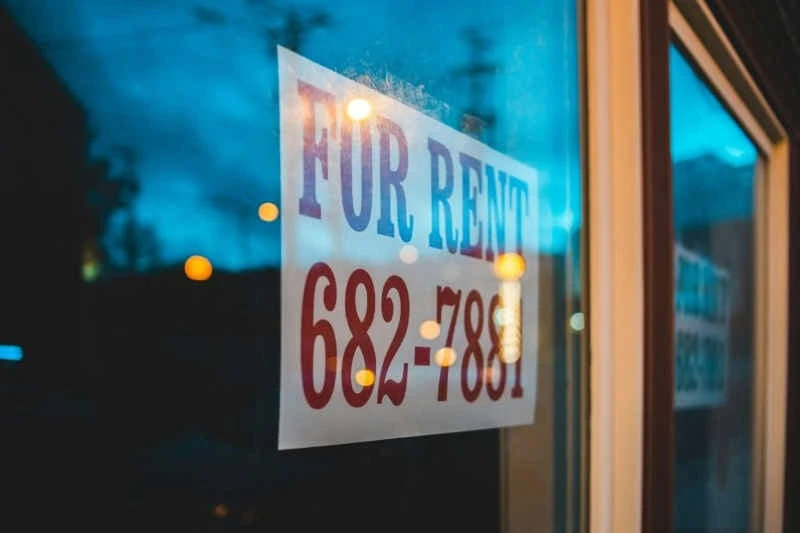

Moving to a new city often looks exciting from the outside, especially when people focus mainly on better job opportunities, lower living costs, or a change of pace. Once the moving process actually begins, however, many renters realize that choosing an apartment involves much more than comparing rental prices online. Daily commute times, neighborhood atmosphere, parking availability, lease terms, and local lifestyle differences can all affect whether a move feels comfortable long after the excitement of relocating fades.
Many renters spend weeks researching apartment photos while overlooking the smaller details that shape everyday life after move-in day. The most successful relocations usually happen when people approach apartment hunting with realistic expectations about routines, transportation, budgeting, and how they plan to spend time outside of work. A city may look attractive online while still feeling difficult to navigate once daily responsibilities become part of the experience.
Neighborhood Research Matters More Than Apartment Photos
Apartment listings usually focus heavily on interior upgrades, amenities, and staged photography, but renters often spend far more time interacting with the surrounding neighborhood itself. Grocery store access, traffic flow, parking conditions, noise levels, and nearby businesses all shape daily convenience long after the move is complete.
This becomes especially important in larger metro areas where neighborhoods can feel dramatically different despite being only a few miles apart. Many renters work with services like One Place Realty while narrowing down areas that better match commuting habits, budget expectations, social preferences, or quieter residential environments before committing to a lease. Finding the right part of a city often matters just as much as choosing the apartment itself.
Commute Times Can Change Daily Life Quickly
A shorter rent price sometimes comes with longer commute times that become exhausting over several months. Renters moving to unfamiliar cities may underestimate how traffic patterns, public transportation schedules, weather, or parking availability affect everyday routines once workweeks become busy.
Testing commute routes during realistic travel hours usually gives a much clearer picture of daily life than simply checking estimated distances online. What looks manageable on a map may feel far less convenient during peak traffic or unpredictable weather conditions.
Cost of Living Extends Beyond Monthly Rent

Photo by Mitchel Willem Jacob Anneveldt on Unsplas
Many renters budget carefully for rent while overlooking smaller recurring expenses tied to city living. Utility costs, parking fees, transportation expenses, building fees, renters’ insurance, laundry access, and grocery pricing can all vary significantly between locations.
These additional expenses often become more noticeable after moving because they affect everyday financial flexibility rather than appearing as one-time costs. Renters who evaluate total monthly living expenses usually adapt more comfortably than those focusing only on advertised rental prices.
Lease Terms Deserve Closer Attention
Apartment hunting can move quickly in competitive rental markets, causing many renters to skim lease details without fully reviewing policies tied to renewals, guests, maintenance responsibilities, or move-out conditions. Small clauses buried inside lease agreements sometimes create frustrations later when circumstances change unexpectedly.
Understanding pet policies, parking rules, early termination conditions, and maintenance response procedures beforehand usually prevents misunderstandings after move-in. Renters often appreciate flexibility far more once they have lived in a building for several months rather than only during the application process.
Everyday Convenience Often Shapes Satisfaction
Some apartments look impressive during tours but feel inconvenient once normal routines begin. Limited storage, difficult parking, noisy surroundings, crowded elevators, or poor access to everyday essentials can gradually affect how comfortable a place feels over time.
Homes that support daily routines smoothly often create stronger long-term satisfaction than apartments chosen mainly for appearance or trendier amenities. Convenience tends to matter more once work schedules, errands, social plans, and downtime settle into regular patterns after relocating.
The Best Moves Usually Feel Sustainable
Moving to a new city involves more adjustment than simply changing addresses. Building routines, learning unfamiliar areas, managing expenses, and creating a comfortable living environment all take time after relocation.
Renters who research neighborhoods carefully, evaluate realistic daily habits, and focus on long-term comfort usually adapt more smoothly during the transition. In many cases, the apartments that feel best after a year are not necessarily the flashiest options initially, but the ones that support everyday life in practical and manageable ways.