The Throw Pillow Fallacy: Why Buyers Need Reassurance Before They Fall in Love
When agents and property owners prepare to sell, their instincts often tell them to start at the top. Buy fresh flowers. Add new pillows. Drape a textured throw over the sofa and create an immediate emotional connection. Those finishing details have a role, but they cannot do the heavy lifting alone.
A throw pillow has never repaired a loose handrail, brightened a gloomy hallway, or explained what an awkward room is supposed to be. If buyers are distracted by discomfort, deferred maintenance, or confusing function, the beautifully styled coffee table may be the last thing they notice. THAT is the throw pillow fallacy: believing the finishing touches can create the dream before the property has earned the buyer’s confidence.
Buyers Do Not Stop Being Human at the Front Door
More than 80 years ago, psychologist Abraham Maslow introduced his hierarchy of needs. It suggests people generally seek physical comfort and security before they can focus fully on belonging, confidence, and aspiration. The hierarchy offers a useful way to understand buyer response.
Essentially, buyers do not stop being human when they put on shoe booties at an open house. As they enter, their subconscious starts taking in far more than the furnishings. They notice the temperature, smell, light, sound, condition, and ease of moving through the rooms. They may not discuss every response, but those impressions influence whether they feel comfortable enough to stay, explore, and imagine living there.
First Comes Physical Comfort
Before buyers picture Sunday dinner in the dining room, their senses have already begun evaluating the space.
Does it feel dark, drafty, or stuffy? Is there an unfamiliar odor? Are the rooms easy to move through? Does the lighting feel warm and welcoming, or cold and institutional?
A dining room may be generously proportioned, but if it feels gloomy, buyers will not be imagining family dinners there. Their attention will remain fixed on what feels wrong and what it could mean. This is why professional staging must address more than appearance. Lighting, air quality, cleanliness, room scale, and traffic flow affect how buyers experience the property before they begin evaluating its style.
Then Comes Safety and Trust
Purchasing a property is one of the largest financial commitments most people will make. So naturally, buyers look for signs of how well it has been maintained.
A sticky lock, a water stain under the sink, a loose baseboard or cracked switch plate may seem insignificant to a seller who has lived with it for years. To a buyer, however, small defects can become warning sirens. The question is rarely limited to the item itself. Buyers begin wondering, “If this was not repaired, what else that I can’t see has been deferred?”
One visible concern can quickly become a much larger assumption about unseen repairs, future inconvenience and financial risk. Remember, buyers may not calculate the work costs accurately. They often allow enough room in their thinking to protect themselves from whatever else they fear they may discover. This is where unresolved property condition can place seller equity at risk. Attractive styling may redirect attention temporarily, but it cannot rebuild trust once the buyer begins looking for what else might be wrong.
Only Then Can Buyers Picture the Life
Once buyers feel comfortable and reassured, the emotional possibilities of the property become easier to see. They notice the sunlit breakfast area and imagine quiet Sunday mornings. They enter a calm primary bedroom and think about how wonderful it will be to retreat to at the end of the day. A previously confusing corner becomes a reading nook, workspace, or place to enjoy morning coffee.
This is where the finishing layers become valuable. Furniture placement, lighting, artwork, textiles, greenery, and accessories help buyers understand how and where their belongings will fit. They create warmth, guide attention, and complete the property’s story. The difference is that those details are now building on a solid foundation rather than attempting to conceal an unresolved concern.
Emotional connection is vital to aspirational living. It does not guarantee multiple offers or a sale over asking because pricing, location, competition, and market conditions still matter. However, buyers who feel comfortable, confident, and connected have fewer reasons to hesitate and more reasons to remember the property.
Why “Declutter and Add Pillows” Is Not a Staging Plan
Reducing Staging to a short list of cosmetic instructions: declutter, depersonalize, and add a few attractive accessories misses the real work. A professional staging consultation examines the property from the buyer’s point of view and considers what it needs to meet or exceed the expectations created by the asking price. The recommendations should identify what may weaken buyer confidence, what deserves investment, and what is most likely to improve the result.
Most listed properties are occupied, and much can be accomplished by editing, repositioning what the seller already owns, and making thoughtful improvements. The important point is that the work begins with the property, not the pillows.
Protecting the Foundation of Value
Professional staging cannot rescue an unrealistically priced property, and attractive rooms cannot erase every concern. Pricing and preparation have different jobs, but they must support each other. The asking price tells buyers what the seller believes the property is worth. Its physical condition and presentation must help make that value believable.
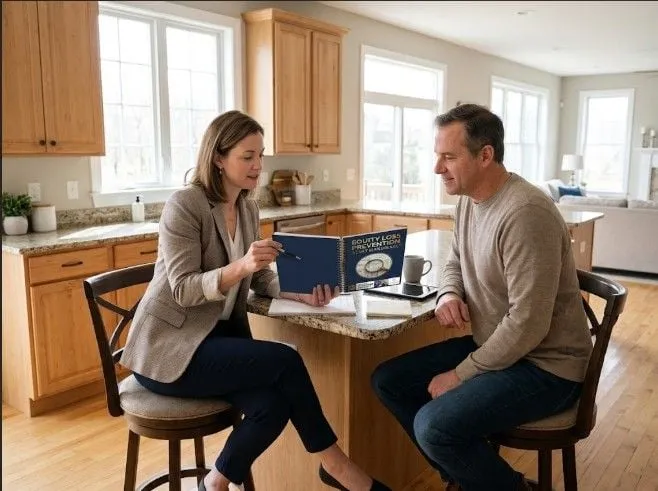
Before buying accessories, repainting every room, or removing half the furniture, begin with an objective professional assessment. A Certified Staging Professional® can identify what will interrupt buyer confidence and help prioritize the work required to prepare the property properly before photographs. The final details still matter. They simply should not be asked to perform miracles.