Cybertruck Production Gives Way to Tesla’s AI Bet
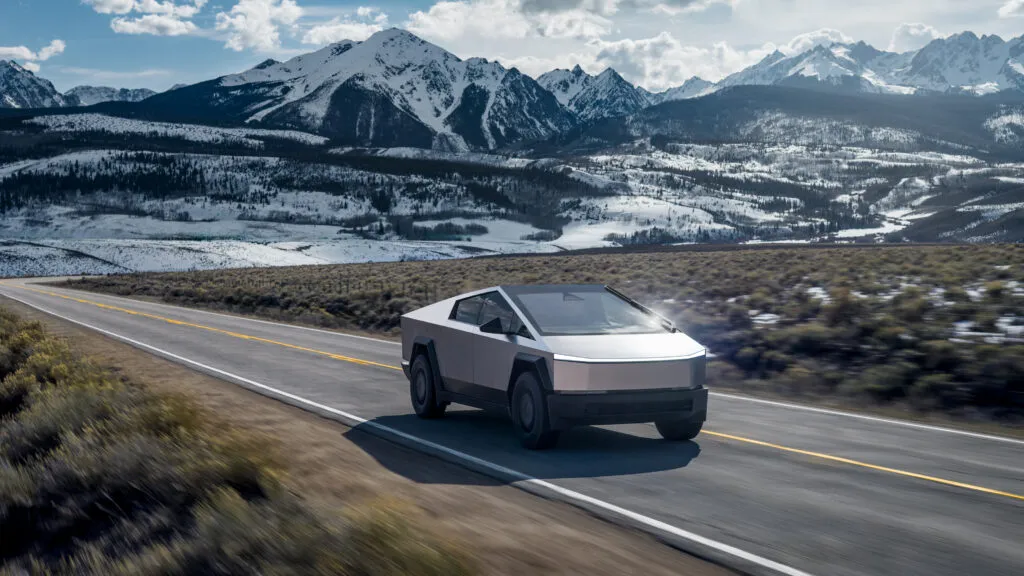
Tesla plans to wind down Cybertruck production in Texas for Cybercab expansion, raising questions for truck buyers and its robotaxi ambitions.
By Nik J. Miles
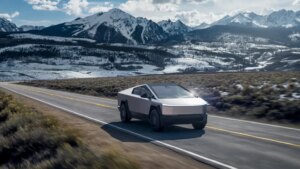
Tesla’s next big artificial-intelligence investment comes with a particularly tangible cost: factory space currently occupied by its most recognizable pickup. Elon Musk says the company will add a Cybertruck production shift to work through orders before dismantling the line for Cybercab expansion around June or July 2027. For buyers, the immediate question is whether their truck will be built. For the industry, the larger question is what Tesla expects to earn from vehicles whose customers never take the wheel.
The November 7 update, reported by Reuters, followed Musk’s announcement a day earlier that Tesla would wind down Cybertruck manufacturing at its Texas factory. The additional shift is an attempt to complete outstanding orders, rather than a guarantee that every order will be fulfilled. Buyers should treat the timetable as a company plan that can still change.
You may also enjoy this video:
You may also enjoy: 2026 Tesla Cybertruck Review: Brilliant but Expensive
What the Cybertruck Production Plan Actually Changes
The important detail is the proposed dismantling of a production line. Automakers routinely adjust shifts when demand changes, but removing equipment to accommodate another vehicle represents a deeper allocation of resources. Tesla is choosing where to direct manufacturing capacity, engineering effort and capital. The announcement does not establish that Cybertruck production will move to another factory, nor does it provide buyers with a detailed transition or long-term support schedule.
A constrained order backlog also needs careful interpretation. Orders exceeding the number of trucks Tesla can build before a planned shutdown do not, by themselves, demonstrate record demand. They describe demand relative to a shrinking production window. Without detailed order totals, cancellation rates and production schedules, presenting the extra shift as evidence of a sudden sales renaissance would get ahead of the available information.
You may also enjoy: Tesla Cybercab Model 3 Technology Arrives in 2026
Tesla Cybertruck
Why Cybercab Changes the Business Calculation
Cybertruck and Cybercab serve fundamentally different purposes. One is a pickup purchased for personal or business use; the other is a purpose-built, two-seat robotaxi. Both belong to the broader category of battery-electric vehicles, but electrification alone does not explain the switch. The strategic attraction is the possibility of selling transportation repeatedly, instead of depending primarily on the initial vehicle sale.
That is the commercial promise, rather than a demonstrated financial outcome from this factory decision. A robotaxi needs paying passengers, sufficient utilization and manageable operating costs. Removing the driver’s wages does not remove cleaning, insurance, repairs, customer support or electricity bills. Fleet operators also need reliable charging infrastructure; a vehicle waiting for energy cannot collect a fare. Factory output is only one part of making the economics work.
You may also enjoy: Tesla Cybercab Could Change Who Drives Your Uber
Tesla Cybertruck
AI Ambition Still Needs Driving Evidence
The manufacturing announcement does not establish how safely Cybercab will perform across every road, weather condition or traffic situation. Those questions require evidence about the deployed system and the conditions under which it operates. NHTSA’s explanation of automated driving helps distinguish systems that assist a person from systems that perform the driving task within defined conditions. Calling both “self-driving” conceals an important difference in responsibility.
That distinction matters particularly for existing Tesla shoppers. Tesla’s own Full Self-Driving (Supervised) guidance says its consumer feature requires active supervision and does not make the vehicle autonomous. Familiar driver-assistance technologies, including emergency braking and lane assistance, should not be mistaken for permission to stop paying attention. Cybercab expansion does not automatically change the capabilities or obligations attached to a privately owned Cybertruck.
You may also enjoy: Tesla Cybercab: Would You Buy a Car You Can’t Drive?
Tesla Cybertruck
What Cybertruck Buyers Should Ask Now
Anyone with an order should ask Tesla for the delivery estimate attached to that specific configuration, the applicable deposit and cancellation terms, and what happens if production ends before fulfillment. Save the written responses. A statement about an extra shift is useful context, but it cannot substitute for the terms of an individual purchase. Equally, the announcement supplies no basis for assuming an automatic refund, a particular discount or a guaranteed delivery slot.
Existing owners have a different set of practical concerns: service availability, collision repair, replacement components, warranty coverage and future software support. The production announcement does not answer those questions, and it does not establish that support will disappear. Owners can check their particular vehicle for open safety recalls using its VIN. Prospective buyers should also obtain insurance quotes and local repair information before committing, rather than allowing potential scarcity to make the decision for them.
You may also enjoy: Tesla Cybercab Launch: Can You Actually Ride One?
The Factory Is the Clearest Signal
The Cybertruck transition gives Tesla’s AI ambitions a physical consequence: one product is being asked to surrender production space to another. That is a substantial strategic bet, but it is not proof that the robotaxi business will deliver the returns Tesla wants. For shoppers, the sensible response is to buy against today’s confirmed vehicle capabilities and written commitments. For everyone watching the industry, the next meaningful evidence will be reliable service, paying passengers and sustainable operating economics. A factory can build the cars; it cannot manufacture the outcome.