The Most Overlooked Element in Home Staging? Your Window Dressings

When homeowners prepare a property for sale, the focus usually falls on obvious upgrades. Fresh paint, decluttering, landscaping, and updated lighting all tend to top the checklist. But one detail is consistently underestimated in home staging conversations: window dressings.
Curtains, blinds, and drapes have a surprisingly powerful effect on how buyers perceive a home. They influence natural light, create atmosphere, soften harsh spaces, and even affect how large a room feels. Poorly chosen or outdated window treatments can unintentionally date a property, while thoughtfully styled fabrics can help rooms appear polished, welcoming, and move-in ready.
For sellers hoping to create a strong first impression, window dressings deserve far more attention than they usually receive.
Why Buyers Notice Windows Immediately
Natural light remains one of the most desirable features in residential real estate. According to the National Association of Home Builders, buyers consistently rank natural lighting among their most wanted home features. Rooms that feel bright and airy tend to photograph better, feel larger during viewings, and create a stronger emotional response.
Heavy curtains that block sunlight can make rooms appear smaller and darker. On the other hand, bare windows may leave a home feeling cold or unfinished. The right balance helps buyers focus on the space rather than distractions.
This is why staging professionals often treat window dressings as part of the room’s architecture rather than an afterthought.
Window Dressings Shape the Mood of a Space
A staged home is designed to help buyers imagine themselves living there. Soft furnishings play a major role in that emotional connection.
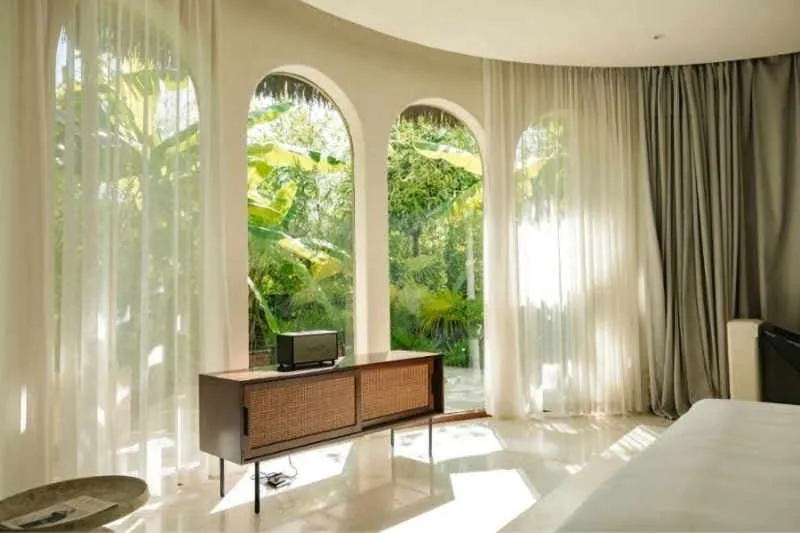
Light linen curtains can create a relaxed, coastal feel. Full-length drapes add elegance and warmth to formal spaces. Textured fabrics help modern interiors feel less sterile, while neutral tones create a calmer visual flow from room to room.
Even subtle updates can transform how a room feels. Replacing dated floral curtains with contemporary neutral panels, for example, can instantly modernize a living area without the expense of renovation.
Many homeowners now look for versatile materials that balance style with practicality. Collections like those available from Terrys reflect the growing demand for curtain fabrics that enhance natural light while still adding texture and comfort to interiors.
The Problem With Outdated Window Treatments
Old-fashioned window dressings can quietly undermine an otherwise well-presented home.
Common staging issues include:
- Curtains that are too short
- Faded or sun-damaged fabrics
- Heavy materials that overwhelm small rooms
- Busy patterns that distract from the space itself
- Mismatched blinds and curtains throughout the property
These details may seem minor, but buyers often notice them subconsciously. Home staging is largely psychological. Buyers tend to associate worn or dated interiors with future maintenance costs, even if the home is structurally sound.
Interior designers frequently recommend treating windows as a “finishing layer” that ties the entire room together. If that layer feels neglected, the room can feel incomplete.
How Window Dressings Affect Perceived Space
One of the most effective staging tricks involves making rooms appear larger through strategic curtain placement.
Hanging curtain rods higher above the window frame naturally draws the eye upward, creating the illusion of taller ceilings. Extending rods wider than the window itself also allows more natural light to enter when curtains are open, making rooms feel broader and brighter.
This technique has become increasingly common in staging smaller homes, apartments, and urban properties where maximizing perceived space matters.
Fabric choice also contributes to visual scale. Lightweight materials tend to create openness, while thick, dark fabrics can visually “shrink” a room if used incorrectly.
For homes with limited natural light, sheer or semi-sheer fabrics often help maintain privacy without sacrificing brightness.
Neutral Styling Helps Buyers Visualize the Home
One of the core principles of home staging is depersonalization. Sellers are encouraged to create spaces that appeal to the widest possible audience rather than showcasing highly individual tastes.
This applies to window treatments too.
Bold colors, dramatic prints, or highly themed decor may reflect the homeowner’s personality, but they can make it harder for buyers to picture themselves in the space. Neutral window dressings tend to perform better because they complement a broader range of interior styles.
That does not mean rooms need to feel bland. Texture often matters more than color when creating warmth and depth. Subtle woven fabrics, soft folds, and layered treatments can make spaces feel sophisticated without dominating the room.
According to the Real Estate Staging Association (RESA), professionally staged homes typically spend less time on the market compared to unstaged properties. While staging includes many factors, cohesive interior styling plays a major role in that overall presentation.
Window Dressings Matter in Listing Photos Too
Today’s buyers usually encounter homes online before they ever step through the front door. Listing photos often determine whether someone schedules a viewing at all.
Poor window styling can negatively affect photography in several ways:
- Blocking natural light
- Creating harsh shadows
- Drawing attention away from the room
- Making interiors feel cluttered
- Introducing distracting patterns into images
Well-styled windows help rooms photograph more cleanly and evenly. Neutral curtains also allow listing photos to feel brighter and more timeless, which can increase click-through interest on property websites.
Professional photographers frequently adjust curtains and blinds during shoots because they understand how much windows influence the final images.
Energy Efficiency Is Becoming Part of the Conversation
Window treatments are no longer purely decorative. Increasingly, buyers are paying attention to energy efficiency and indoor comfort.
Thermal curtains, layered drapery, and light-filtering fabrics can help regulate indoor temperatures by reducing heat loss in winter and minimizing solar gain during summer. While window dressings alone will not transform a property’s efficiency rating, they can contribute to overall comfort.
As utility costs continue to rise, practical soft furnishings are becoming more relevant to buyers evaluating long-term living costs.
This shift reflects broader interior trends that prioritize homes feeling both comfortable and functional rather than purely aesthetic.
Small Updates Can Deliver Noticeable Results
The good news for sellers is that improving window dressings does not necessarily require a major investment.
Simple changes can have a meaningful impact, including:
- Updating curtain hardware
- Steam-cleaning existing drapes
- Switching to lighter fabrics
- Standardizing window treatments throughout the home
- Replacing damaged blinds
- Hanging curtains at the correct height
These relatively affordable adjustments can elevate how polished a home feels overall.
In competitive real estate markets, presentation matters. Buyers often form opinions within moments of entering a property, and small visual cues contribute to those impressions more than many sellers realize.
Conclusion
Home staging is ultimately about creating an emotional connection between buyers and a property. While kitchens and curb appeal tend to dominate attention, window dressings quietly influence how every room feels.
They shape natural light, soften interiors, improve perceived space, and contribute to the overall atmosphere buyers experience during viewings and online searches alike.
For homeowners preparing to sell, overlooking window treatments can mean missing an easy opportunity to improve presentation. Thoughtful fabrics, balanced light, and cohesive styling may seem subtle, but they often help transform a house from simply presentable into genuinely inviting.
References
- National Association of Home Builders (NAHB) — What Home Buyers Really Want
- Real Estate Staging Association (RESA) — Staging industry statistics and market insights
- National Association of Realtors (NAR) — Profile of Home Staging