2027 Lexus TZ Revealed: Lexus’ Quietest Electric SUV Yet
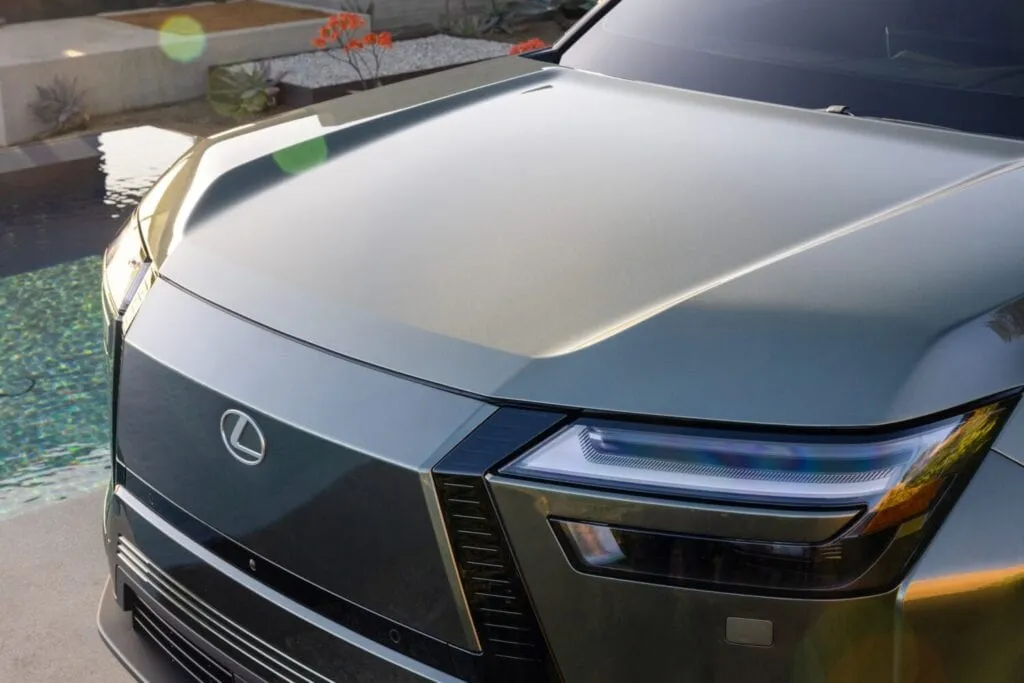
The 2027 Lexus TZ is revealed as a three-row electric SUV focused on quiet luxury, comfort, 300-mile range, and stress-reducing cabin technology.
Luxury vehicles have become increasingly complicated over the last decade. Bigger screens, louder styling, endless notifications, and staggering horsepower numbers have become the norm. The all-new 2027 Lexus TZ takes a surprisingly different direction by focusing less on stimulation and more on comfort, calmness, and reducing stress.
This is not a driving review. The TZ has been revealed, but Lexus has not made it available for full driving impressions yet. What we have now is a first look at a major new electric SUV that shows where Lexus is heading next.
A Different Kind of Luxury EV
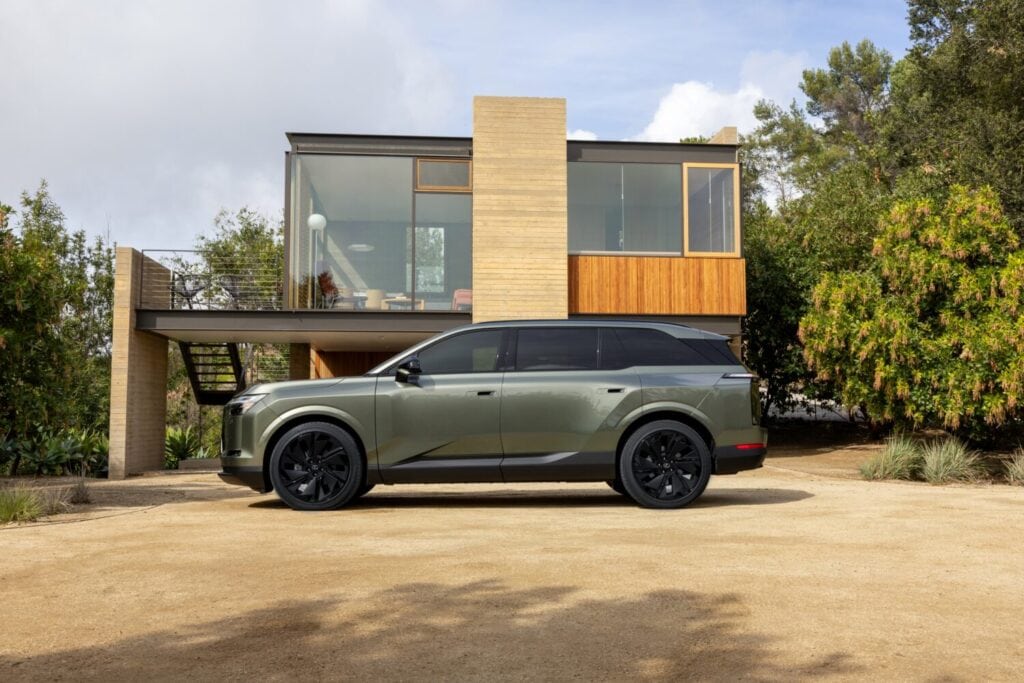
The 2027 Lexus TZ is Lexus’ first fully electric three-row SUV. It targets more than 300 miles of driving range, produces approximately 400 horsepower, and introduces several comfort technologies designed around passenger wellbeing rather than sensory overload.
The SUV uses dual electric motors mounted front and rear, producing a combined 300 kilowatts, or roughly 400 horsepower. Power comes from a 96-kWh battery pack mounted low in the chassis to improve ride comfort, stability, and cabin packaging. Lexus says the TZ reaches 62 mph in just over five seconds, placing it firmly among premium electric SUV competitors.
Unlike many EV rivals, Lexus doesn’t appear obsessed with turning the vehicle into a rolling technology experiment. Instead, the company focused on refinement and comfort during everyday use.
You may also enjoy: Lexus Just Broke Its Own Luxury Rulebook With the New ES
Why Quietness Matters in an EV
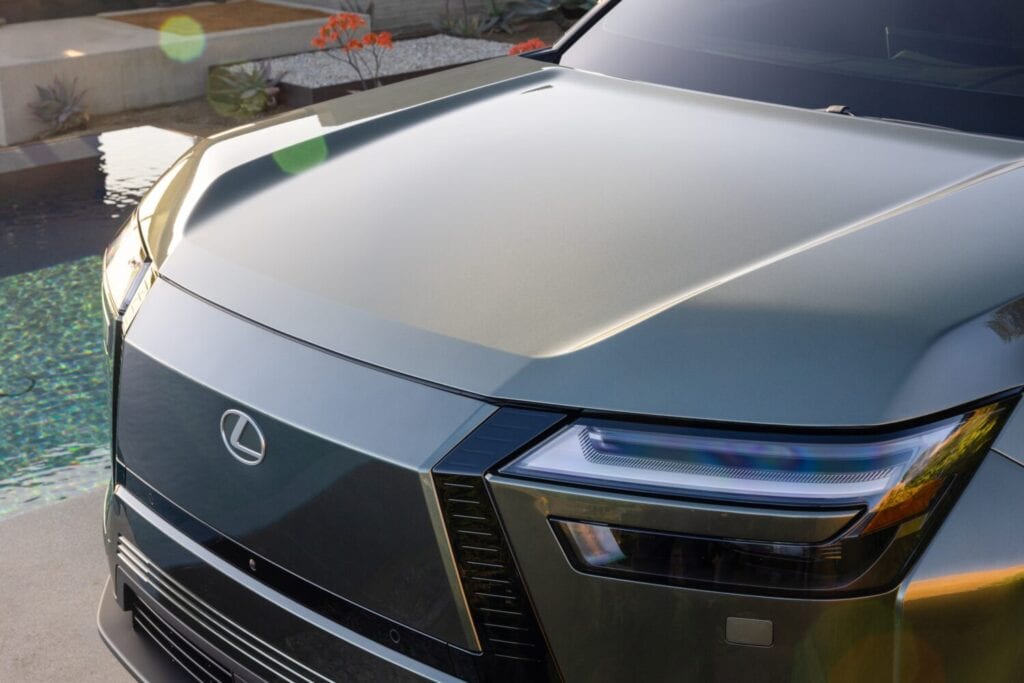
Lexus says the TZ may be the quietest crossover the company has ever produced. That required significant engineering effort because electric vehicles expose noises that gasoline engines typically mask. Wind intrusion, tire roar, and vibration become far more noticeable once engine noise disappears.
The TZ uses aerodynamic mirrors, specially developed low-noise tires, additional insulation, and extensive airflow management around the side glass to reduce turbulence and cabin noise during highway travel. Aerodynamic drag can reduce efficiency, especially at higher speeds.
You may also enjoy: 2026 Toyota EV Lineup Finally Fits Real Life
The Bamboo Forest Feature Everyone Will Talk About
One of the most unusual technologies inside the TZ is something Lexus calls Sensory Concierge. The system allows passengers to individually control climate settings, ambient lighting, multimedia visuals, and scent profiles. Interior lighting can even synchronize with music rhythm and frequency, transforming the cabin into something closer to a luxury lounge than a conventional SUV.
Lexus also developed bamboo-inspired scent cartridges intended to recreate the atmosphere of Kyoto bamboo forests. The company says the goal is reducing stress during long drives. That idea connects with a wider interest in cabin comfort and air quality.
A Luxury Lounge on Wheels
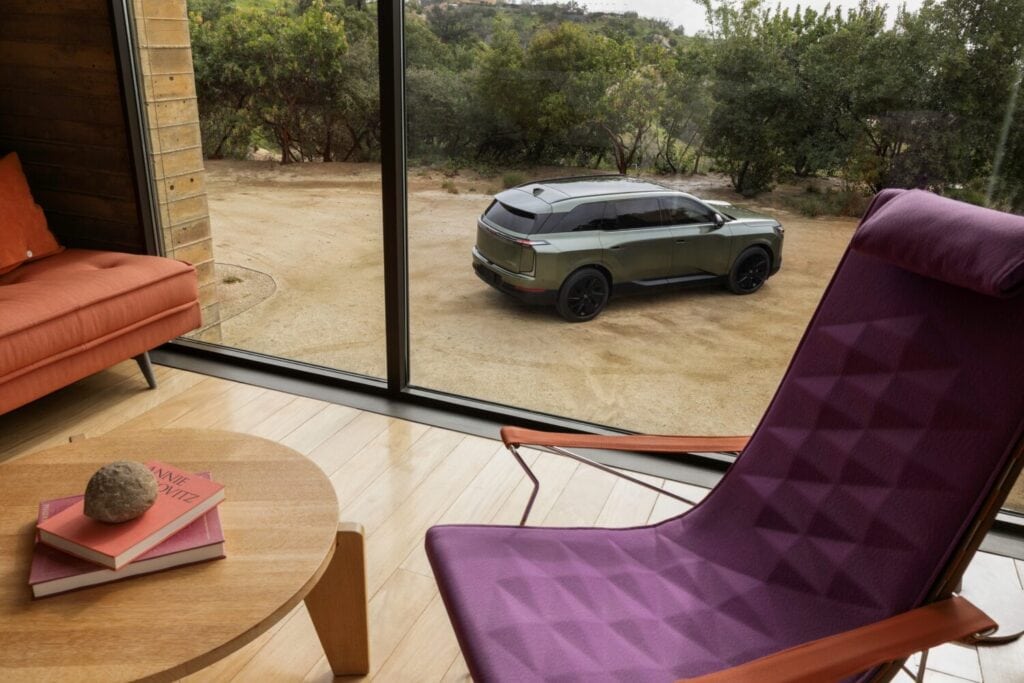
The comfort-focused philosophy continues throughout the interior. Second-row passengers receive ottomans for their feet, effectively transforming the rear seating area into something closer to an airport lounge than a conventional SUV. Third-row passengers receive thicker, sofa-like cushions designed to reduce fatigue during long-distance travel.
Lexus also claims the TZ features the world’s longest sliding panoramic roof fitted to a production vehicle. The expansive glass roof helps create a more open cabin atmosphere while reinforcing the SUV’s lounge-inspired design philosophy.
Despite all the luxury and relaxation features, practicality remains important. The TZ can tow up to 3,500 pounds while maintaining impressive structural rigidity through the use of hot-stamped steel, laser screw welding, and advanced adhesives throughout the chassis.
You may also enjoy: 2026 Toyota bZ Woodland: For People Who Don’t Want an EV
Charging and Real-World Use
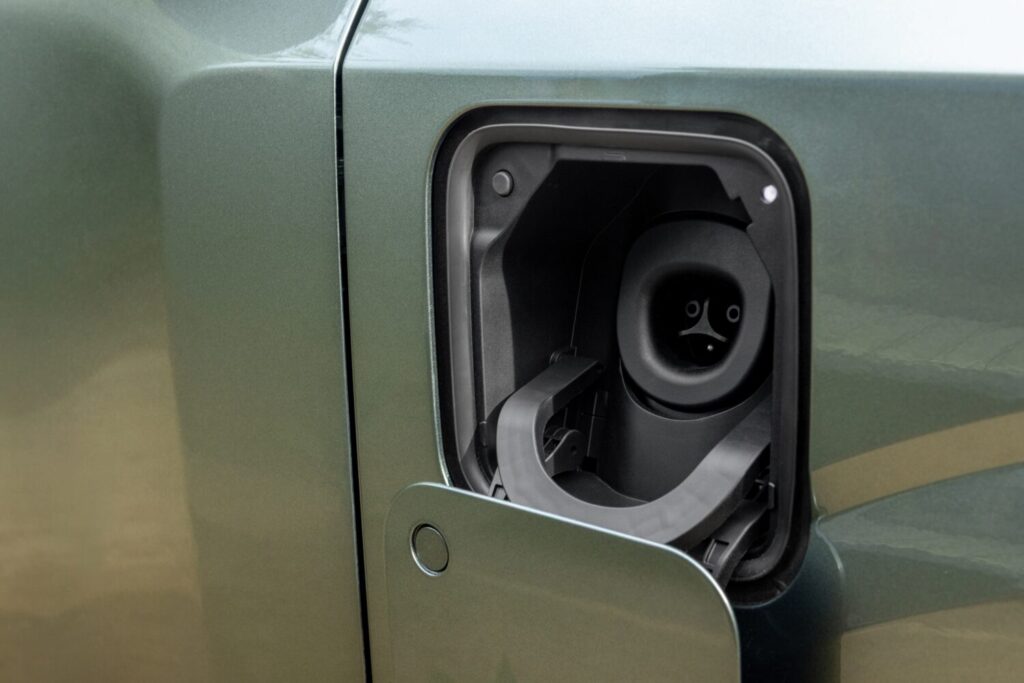
The TZ adopts Tesla’s North American Charging Standard (NACS) connector in the United States, giving owners access to a rapidly expanding charging infrastructure. Lexus says the battery can charge from 10 to 80 percent in approximately 35 minutes using a 150-kW DC fast charger.
The larger point is that Lexus appears to be building the TZ around how people actually use luxury SUVs. Families need comfort, quietness, space, towing ability, and predictable charging. They also need an interior that doesn’t feel exhausting after an already long day.
You may also enjoy: Audi Q5 Dog-Friendly SUV: A Real-World Dog Test
Yes, It Has Fake V-10 Sounds
Perhaps the most controversial feature in the TZ is Lexus’ decision to include synthetic V-10 engine sounds. Drivers can select through eight simulated gear ratios using steering-wheel-mounted paddle shifters, while Lexus programmed artificial V-10 audio into the cabin to create a more emotional acceleration experience.
On paper, fake engine sounds inside an EV sound unnecessary. However, many drivers still miss auditory feedback during spirited driving. Silence can sometimes feel disconnected even when acceleration itself is extremely quick.
You may also enjoy: Lexus LX 700h Review: A Grown-Up’s Luxury SUV
Why the Lexus TZ Reveal Matters
Toyota sold nearly 189,000 electric vehicles globally last year, but that still represented a relatively small percentage of the company’s total sales. Critics have spent years arguing Toyota moved too cautiously into full electrification while competitors aggressively expanded their EV lineups.
The TZ signals a far more serious commitment from Lexus and Toyota. Tesla emphasizes acceleration and software integration. Rivian leans heavily into rugged adventure branding. Mercedes-Benz focuses on futuristic digital luxury. Lexus is betting there are buyers who simply want less stress.
That may prove to be a very smart strategy. Modern life already feels noisy enough, and the 2027 Lexus TZ appears designed to make the drive home feel quieter, calmer, and considerably more relaxing.