Genesis Wants to Scare BMW With 22 New Vehicles
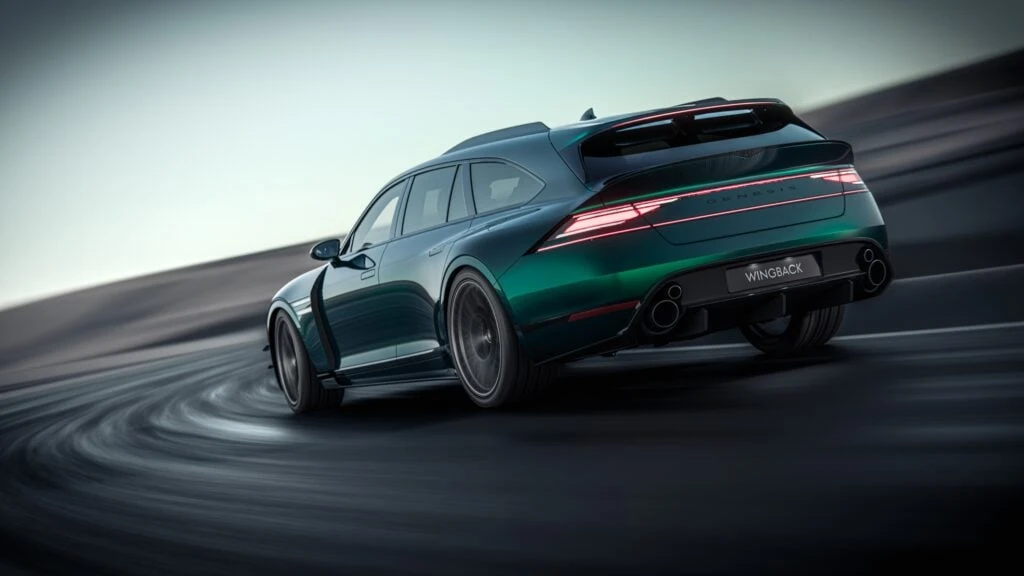
Genesis has spent the past decade trying to convince luxury buyers it belongs in the same conversation as BMW, Mercedes-Benz, Lexus, Audi, and Cadillac.
Now it appears the brand is done asking politely.
Genesis says it will launch 22 all-new or significantly enhanced vehicles in North America by 2030. That includes SUVs, passenger cars, new powertrains, expanded trims, and derivative models. In plain English, Genesis is preparing one of the most aggressive luxury-car expansions in the industry.
For a brand that only became a standalone luxury nameplate in 2015, that’s not a small move. It’s a signal that Genesis no longer wants to be seen as an interesting alternative. It wants to become a full-line luxury competitor.
You may also like: 2026 Genesis GV70: The SUV That Out-Germans the Germans
Why Genesis Is Moving So Fast
The timing matters.
Luxury buyers are changing. Some still want gasoline engines. Others are ready for EVs. Many are now looking for hybrids because they want better efficiency without the charging commitment. Genesis appears to understand that one answer won’t satisfy everyone.
That’s why the 22-vehicle plan is so important. This isn’t simply about adding more cars for the sake of filling dealer lots. It’s about giving Genesis enough range to compete across more buyer decisions.
A shopper considering a BMW X5, Mercedes GLE, Lexus RX, or Cadillac Lyriq may soon have more Genesis alternatives than ever before. That matters because luxury sales are often won before the test drive. If a brand doesn’t have the right body style, powertrain, or trim level, it never makes the shortlist.
Genesis has already built credibility with vehicles like the GV70, GV80, G80, and G90. The next step is scale.
You may also like: Is the 2025 Genesis GV80 Coupe the SUV We’ve Been Waiting For?
Hybrids Could Be the Real Breakthrough
The most important part of the Genesis plan may not be the flashiest.
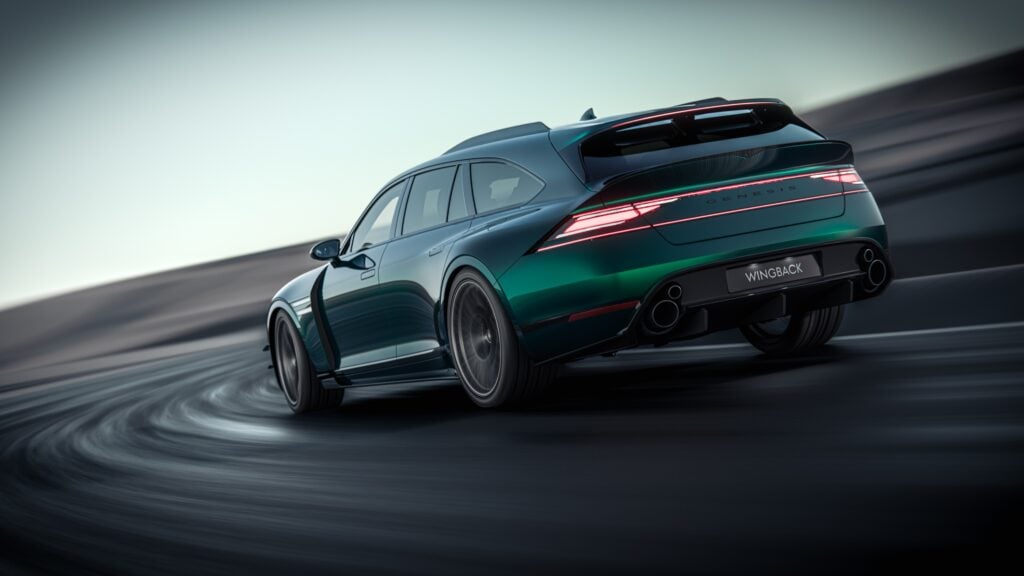
Genesis has been strong with gasoline luxury vehicles and increasingly serious about EVs, but hybrids could unlock a much larger audience. Many premium buyers like the idea of electrification, but they aren’t ready to rely entirely on charging infrastructure.
That leaves a wide opening for luxury hybrids.
If Genesis adds hybrid powertrains to key SUVs, it could give families and commuters exactly what they want: refinement, range, power, and fewer fuel stops without requiring a lifestyle adjustment. That’s the sweet spot many automakers are racing toward right now.
This also gives Genesis flexibility. EV demand has not grown evenly across every region, and luxury buyers in different parts of North America have very different expectations. A broader powertrain mix helps Genesis adapt instead of betting everything on one trend.
You may also like: Genesis Just Got Sexy – Magma Performance Is Here

Magma Gives Genesis a Performance Identity
Then there is Magma.
Genesis’ performance subbrand could become the emotional side of this expansion. The GV60 Magma is already positioned as the brand’s first high-performance production model, and Genesis has made it clear that luxury performance is now part of its future identity.
That matters because luxury brands need more than comfort and screens. They need desire.
BMW has M. Mercedes has AMG. Cadillac has V-Series. Lexus has F performance history. Genesis needs its own version of that emotional shorthand, and Magma gives it a place to start.
If Genesis can combine its design language, premium interiors, strong value story, and serious performance hardware, it could reach buyers who previously never considered the brand.
You may also like: 2026 Genesis GV70 3.5T AWD: The Best Luxury Crossover?
What This Means for Luxury Buyers
The practical impact is simple: more choice.
Genesis is not likely to replace BMW or Mercedes overnight. Brand loyalty in luxury cars is stubborn, and dealer experience still matters. But the company’s product cadence is becoming difficult to ignore.
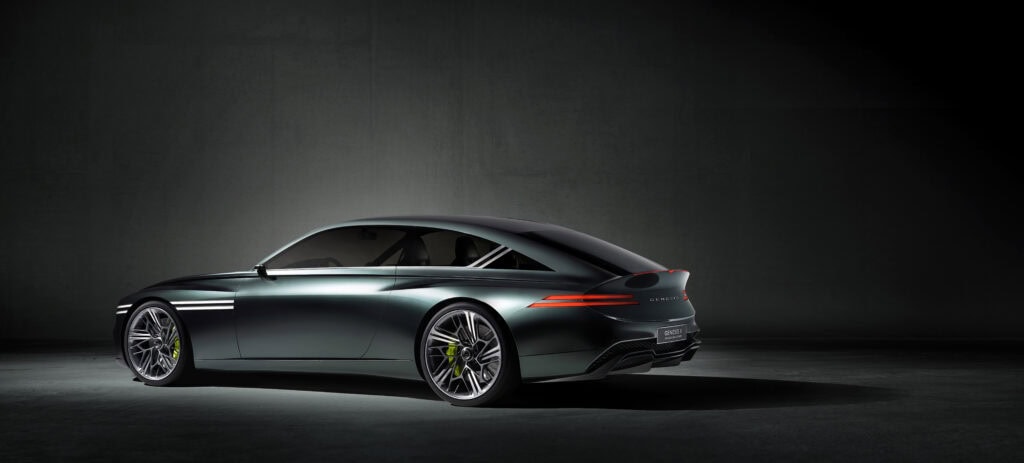
A 22-vehicle expansion gives Genesis a chance to compete in more segments, with more powertrains, and more personalities. That could mean more SUVs, more sedans, more performance models, more electrified options, and possibly more halo vehicles designed to change how people see the brand.
The risk is execution. Expanding too quickly can stretch quality, retail support, and brand clarity. But Genesis has already shown it can move fast without looking rushed.
The next few years will decide whether Genesis remains a clever luxury alternative or becomes something much bigger. You can see the brand’s current lineup and how much room it still has to grow.
For now, the message is clear. Genesis is no longer quietly knocking on the luxury-car door. It’s bringing 22 new reasons to open it.