In-Home Gym as a Top Buyer Request: How to Maximize Your Property’s Worth
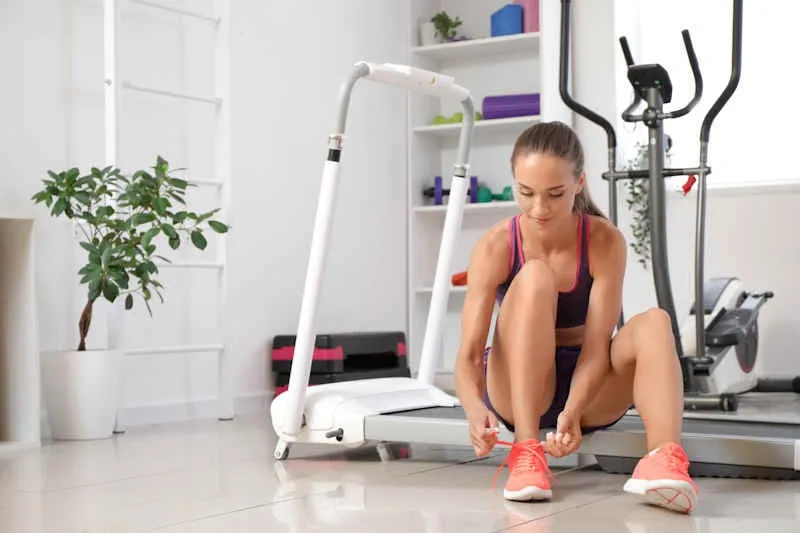

Home gyms have become one of the most popular features buyers look for when shopping for a new house. More people want to stay healthy without the hassle of driving to a fitness center or paying monthly membership fees. A dedicated workout space at home offers convenience and saves money over time.
While a home gym may not always increase your property’s sale price directly, it can make your home stand out from similar properties and help it sell faster. Buyers who value health and wellness will notice this feature right away. When two homes are nearly identical, the one with a gym space often wins.
Creating a home gym that appeals to future buyers requires smart planning. You’ll learn what makes modern buyers want a workout space in their home and how to design one that adds the most value. The right approach can turn an empty room into a feature that sets your property apart.
Why Home Gyms Appeal to Modern Homebuyers
Home gyms have moved from optional luxury to must-have feature for many buyers. Health-conscious shoppers now view dedicated fitness spaces as practical investments that save time and money while supporting their wellness goals.
Increasing Demand for Wellness Spaces
Your buyers are prioritizing health and wellness more than ever before. The National Association of Realtors found that homebuyers actively seek properties with dedicated exercise spaces when shopping for homes.
This shift reflects a broader cultural change. People want to integrate fitness into their daily routines without leaving home. A dedicated workout area eliminates travel time to gyms and provides convenience that traditional memberships can’t match.
The pandemic accelerated this trend significantly. Many buyers experienced the benefits of working out at home and don’t want to give up that flexibility. They’ve invested in fitness equipment and routines that they want to continue in their next property.
Health-conscious buyers see home gyms as long-term value additions. They recognize the money saved from cancelled gym memberships and the time saved from eliminated commutes.
Shifting Priorities in Home Features
Home gyms now compete with traditional selling points like gourmet kitchens and spacious living rooms. What used to be secondary features have become primary considerations for many buyers.
Your property stands out when it offers wellness amenities. Buyers compare homes differently now, weighing fitness spaces alongside bedroom counts and kitchen layouts. A well-equipped gym can be the deciding factor between similar properties.
The data supports this shift in UK markets. Homes with dedicated gym spaces have sold for 44% more than comparable properties without fitness areas.
High-end buyers particularly expect wellness features. In luxury markets, fitness spaces aren’t bonuses but baseline requirements that serious buyers anticipate finding.
Influence of Remote Work on Fitness
Remote work has changed how buyers use their homes. Your property needs to accommodate both professional and personal wellness needs now that people spend more time at home.
Workers who skip commutes have more time for fitness. They want to use those extra hours productively, and a home gym makes that possible during lunch breaks or before starting work.
The home office and home gym pair naturally together. Buyers working from home value the ability to take quick exercise breaks without leaving their property. This combination supports both productivity and physical health throughout the workday.
You’ll find buyers seeking homes that function as complete lifestyle hubs. They need spaces that support work, relaxation, and fitness all under one roof.
Attracting Diverse Buyer Demographics
Home gyms appeal across different buyer segments. Young professionals value the convenience and modern lifestyle they represent. Families appreciate having safe, private spaces where kids can be active.
Older buyers see home gyms as practical health management tools. They prefer working out in familiar, comfortable environments rather than busy public facilities.
Different buyers use the same space differently:
- Young professionals: High-intensity workouts and strength training
- Families: Kids’ activities and parent exercise sessions
- Older adults: Low-impact exercises and physical therapy
- Remote workers: Quick fitness breaks between meetings
The versatility matters to your potential buyers. A room designated for fitness can adapt to various workout styles and equipment preferences, making it valuable regardless of who eventually purchases your home.
Designing an In-Home Gym for Maximum Value
A well-designed home gym requires careful planning across four key areas: location selection, visual appeal, equipment choices, and technology integration. These elements work together to create a space that appeals to future buyers while maximizing your property’s resale value.
Choosing the Right Room or Space
Your home gym’s location plays a major role in its perceived value. Basements work well because they offer privacy and enough space for equipment, but you need to ensure proper lighting and ventilation to avoid a dungeon-like feel.
Spare bedrooms or bonus rooms make excellent gym spaces since they already have windows and climate control. These rooms feel more inviting and can easily convert back to other uses if needed. Garages can work too, but they require insulation and temperature control to stay comfortable year-round.
Look for spaces with at least 100 square feet for basic setups. The room should have adequate ceiling height of at least 8 feet to accommodate exercises like overhead presses or jumping movements. Access to electrical outlets is essential for equipment and fans.
Balancing Functionality and Aesthetics
The space needs to look polished while remaining practical for workouts. Use neutral paint colors like gray, beige, or soft blue that appeal to most buyers. Add mirrors on at least one wall to make the room feel larger and help with form checks during exercises.
Flooring matters more than you might think. Rubber gym tiles or foam mats protect your subfloor and reduce noise, but they also signal a dedicated fitness space. Choose flooring that looks clean and professional rather than cheap or temporary.
Keep the space organized with wall-mounted storage for weights, resistance bands, and yoga mats. Built-in shelving or storage cabinets hide clutter and make the room feel intentional. Good lighting makes a huge difference too. Add bright LED fixtures or maximize natural light to create an energizing atmosphere.
Selecting Versatile Equipment
Choose equipment that serves multiple purposes and appeals to different fitness levels. Adjustable dumbbells take up less space than full weight sets and work for beginners and advanced users. A quality adjustable bench supports dozens of exercises without dominating the room.
Essential versatile equipment includes:
- Adjustable dumbbells (5-50 lbs)
- Folding weight bench
- Resistance bands set
- Yoga mat
- Pull-up bar or wall-mounted system
Avoid buying single-purpose machines or overly specialized equipment that limits the space’s appeal. A compact rowing machine or folding treadmill provides cardio options without permanently claiming floor space. Quality matters more than quantity since future buyers notice worn or cheap equipment.
Incorporating Smart Technology
Modern buyers expect smart features in home gyms. A wall-mounted TV or tablet holder makes it easy to follow workout apps or streaming fitness classes—honestly, it’s a small upgrade that just feels right and adds a surprising amount of value.
Good speakers or a decent sound system? Absolutely worth it for music or following along with instructors. Smart mirrors are showing up more often, flashing workout stats and giving form feedback, though they’re definitely a splurge. Even tossing in USB charging ports or device holders says, hey, someone actually thought this through.
Maybe add a smart thermostat or fan system to keep the temperature in check while you’re sweating it out. Motion-sensor lights or voice-controlled gadgets can really make the whole setup feel fresh and intentional.