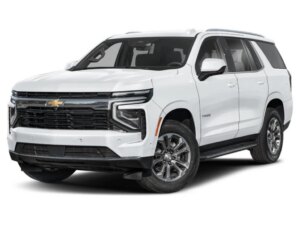
One Million New Car Buyers Just Vanished

A million Americans haven’t simply delayed buying a new car. They’ve stepped out of the market altogether. That is the uncomfortable message behind a new Wall Street Journal report showing roughly one million prospective new-car buyers have disappeared from the U.S. market since 2020. Before the pandemic, the industry could count on annual sales around 17 million vehicles. Today, forecasts are settling closer to the high 15 million to low 16 million range, even as automakers remain profitable.
That sounds like an industry problem. It’s really a household budget story. The people missing from the showroom are not necessarily anti-car, anti-technology, or waiting for the perfect electric vehicle. Many are simply looking at the math and deciding a new vehicle no longer fits.
You may also like: Buying a New SUV in 2026? Here’s How Smart Buyers Save
New Cars Are Becoming Luxury Purchases
The average new vehicle now costs close to $50,000, with Kelley Blue Book data putting the average transaction price at $49,461 in April. That’s not exotic-car money, but it is a massive commitment for families already dealing with higher insurance, maintenance, fuel, rent, groceries, and interest rates.
The problem is not just the sticker price. It’s the payment. Edmunds says the average amount financed for a new vehicle hit a record $43,899 in the first quarter of 2026, while the average monthly payment reached $773. One in five financed new-car buyers is now taking on a payment of $1,000 or more.
For buyers who remember a time when a basic commuter car felt reasonably attainable, the modern market can feel upside down. The old entry-level car has nearly vanished. Small sedans and subcompacts have been replaced by crossovers, trucks, and SUVs loaded with safety technology, larger screens, turbocharged engines, all-wheel drive, and features people like but may not be able to comfortably afford.
You may also like: The $20,000 Car Is Dead in 2026: Cheap Options That Deliver

Why Buyers Are Staying Put
The easiest answer is price, but the better answer is total cost. A buyer doesn’t experience a car as a suggested retail price. They experience it as a monthly payment, an insurance premium, fuel stops, service bills, registration fees, and the quiet dread of unexpected repairs.
Cox Automotive has said affordability improved earlier this year because incomes rose and incentives increased, but that does not mean vehicles feel cheap. It means the pressure eased slightly from very expensive to merely difficult. Cox also noted that maintenance, repairs, and insurance have increased sharply since the pandemic, which matters because the car payment is only one line on the family spreadsheet.
That is why more Americans are keeping older vehicles longer. S&P Global Mobility says the average age of vehicles in the U.S. reached 12.8 years in 2025. Modern cars are better built than ever, but many owners are also stretching ownership because replacement costs are so high.
You may also like: Five Deal-Breakers That Stop You From Buying a New Car

Automakers May Not Rush to Fix This
Here is the uncomfortable part: automakers may not be desperate to win every lost buyer back. Selling fewer vehicles at higher prices can still be good business, especially when trucks, SUVs, and premium trims carry stronger margins than inexpensive small cars.
That strategy works until it doesn’t. If younger buyers, first-time buyers, and middle-income families spend years priced out of the new-car market, the industry risks training them to shop used, delay purchases, or avoid brand loyalty altogether. Once a customer learns to live without a new vehicle, getting them back is harder than offering a rebate.
For now, the new-car market is still moving. The buyers who remain tend to be wealthier, better financed, and more comfortable with larger payments. But the missing million matters because it reveals the fault line under the entire business. America still loves cars. It just doesn’t love the bill quite as much.