Rising Gas Prices, Rising Car Prices: Can Hybrids Save You Money?
New car prices keep climbing while gas prices hover near four dollars a gallon in many parts of the country. The average new-vehicle transaction price hit $49,275 in March according to Kelley Blue Book data from Cox Automotive. That marks a 3.5 percent jump from the same month last year driven largely by stronger sales of larger SUVs and trucks.
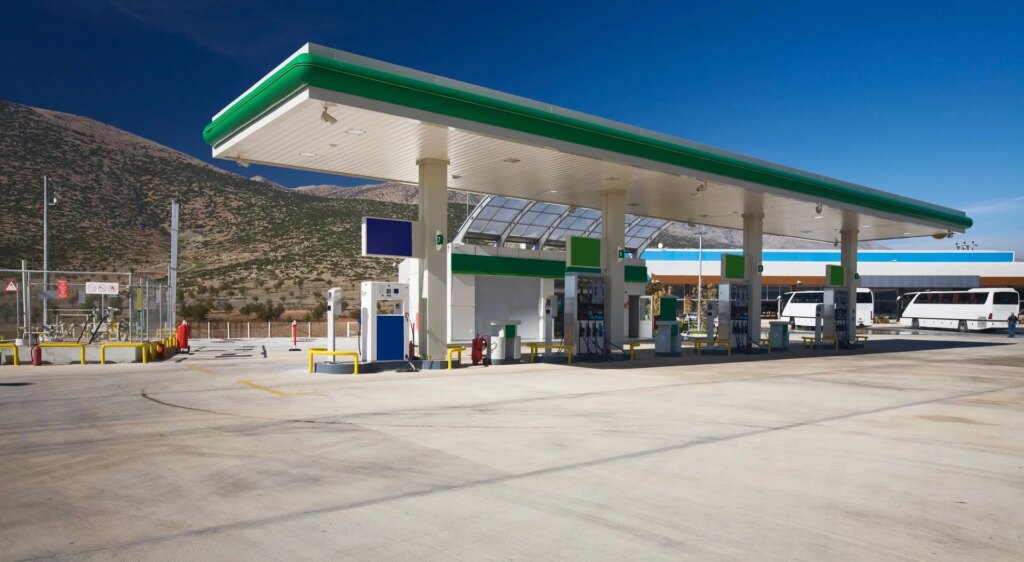
At the same time many households feel the pinch at the pump with the national average for regular unleaded sitting around $4.09 recently per AAA reports. For families juggling school runs, work commutes, and weekend errands, these twin pressures add up fast. Fuel-efficient choices, especially hybrids, offer a practical way to ease the burden without forcing a complete lifestyle overhaul.
Why the Double Squeeze Hits Harder in 2026
The shift toward bigger vehicles is pulling the overall average transaction price higher while compact options lose ground. This richer mix means the typical new car now costs thousands more than just a few years ago. When you layer in stubborn gas prices, the average monthly budget is getting stretched thin.
Think about a typical suburban family driving 15,000 miles a year. Even small improvements in real-world efficiency translate into noticeable savings with high gas prices. It’s why hybrids are so popular right now. They offer better fuel efficiency without having to worry about plugging-in to charge.
Tighter inventory in some segments is also a challenge with SUVs sitting around 63 days of supply early this month. Fewer choices when you’re in the dealership weaken your negotiating position and may force you to settle for what’s on the lot rather than your dream car. In this environment, focusing on models that combine reasonable upfront costs with lower operating expenses makes even more sense.
How Hybrids Deliver Real Relief at the Pump and Beyond
Hybrids do well in mixed driving conditions, which is what most of us experience. Many mainstream options now return 40 to 50-plus mpg combined according to EPA estimates. That can cut annual fuel costs by several hundred dollars compared with similar gas-only vehicles depending on your driving habits and local prices.
Someone commuting 40 miles roundtrip five days a week will notice the difference quickly. In a hybrid, the electric motor handles low-speed stop-and-go traffic while the gas engine kicks in for highway stretches. It’s not something the driver or passengers will be aware of, other than getting a quieter ride than with a purely gas engine. Over a year, the savings on gas could make the overall family budget easier to balance.
Hybrids also save you money on road trips. You still stop for gas, but you make fewer and smaller fill-ups. Families heading out for summer vacations or weekend getaways will see their gas dollars go further. That means more cash in your wallet for family fun.
Everyday Scenarios Where Efficiency Pays Off
In city traffic, which includes errands around town, a hybrid spends more time on electric power which means less fuel burned overall. The same vehicle then cruises efficiently on the highway for a weekend adventure.
A sedan or compact crossover that gets 48 to 53 mpg combined keeps more money available for other household needs. Even if the sticker price sits a couple of thousand dollars higher than a base gas model, the break-even point can arrive within a few years of typical driving.
Compare that with sticking to the larger gas-only SUVs that are the go-to family choice. Higher purchase prices plus more frequent stops at four dollars a gallon add up fast. Fuel-efficient choices deliver the same comfort and features while dialing back the total cost of ownership.
What to Consider When Shopping Fuel-Efficient Options
Start by matching the vehicle to your actual needs rather than chasing the absolute highest mpg number. A compact hybrid SUV might suit a family of four perfectly for daily driving and light cargo without the bulk and thirst of a full-size model. Sedans or hatchbacks often are a better option if you don’t need the extra cargo room.
Look at total five-year costs including fuel, insurance, and expected maintenance. Many hybrids hold value well in the used car market, which helps when it is time to trade or sell. Test-drive the vehicles you’re considering to see if you like how they drive and are comfortable at the wheel. If you have kids in car seats, bring both along and make sure there’s room for them, too.
Pay attention to available trims. Well-equipped but not loaded versions often deliver the best balance of modern safety tech, convenience features, and efficiency. These are the trims right in the middle of most lineups.
Practical Steps to Make the Switch Work for Your Budget
Calculate your own numbers based on how many miles you drive and current local gas prices. Online tools from the Department of Energy or fuel-economy sites help estimate annual savings. Don’t forget to factor in any available incentives or rebates.
If a full new-vehicle purchase feels out of reach right now explore certified pre-owned hybrids from recent model years. They often come with remaining factory coverage and still provide strong efficiency gains compared with older gas models.
The Big Picture for Everyday Drivers
In a year when new-car prices sit near $50,000on average and gas prices are high, fuel-efficient vehicles give you more control over your budget. They don’t require radical changes, yet they deliver measurable savings.
Hybrids have come a long way since the early days and no longer require a sacrifice in comfort or performance. Focusing on practical efficiency rather than size or status can have you walking away happier with your vehicle and less worried about your budget.