Selling This Fall? Don’t Shutdown the Outdoor Spaces!
How thoughtful preparation helps buyers recognize lifestyle value and protects seller equity
Every September, a costly assumption begins to influence property preparation: once summer ends, outdoor areas no longer matter. Patio furniture is packed away. Planters filled with faded annuals are left at the entrance. Decks and balconies become holding areas for items waiting to be stored. Sellers assume fall buyers are concerned only with the interior.
The problem is that buyers do not stop evaluating outdoor space because the temperature has dropped.
A patio, porch, balcony, or backyard contributes to the buyer’s perception of the property. When presented as comfortable and usable, buyers can imagine morning coffee, an evening beside the fire, or friends gathered on a crisp fall afternoon. When it is empty, neglected, or closed for the season, it can feel like space they cannot enjoy for months. That difference can influence how buyers perceive the property’s value.
Outdoor Space Still Has a Job to Do
Fall staging is not about decorating with pumpkins, scarecrows, or an abundance of seasonal accessories. It is about showing buyers how the property supports the way they want to live. A sheltered porch with two substantial chairs and a small table suggests a quiet place to sit. A defined patio arrangement shows where buyers could entertain. A clean balcony with appropriately scaled furniture helps buyers understand that even a compact area has a purpose.
Sellers sometimes remove everything because they believe an empty space will look larger. It can have the opposite effect. Without furniture to provide scale and purpose, buyers may have difficulty understanding what will fit or how the area can be used. Furniture should never overwhelm the space, but a carefully edited arrangement can make its function immediately clear.
Create a Strong Sequence of Impressions
Buyers begin forming opinions before reaching the front door. Exterior preparation should support the entire buyer experience, not simply provide an attractive entrance.
Begin With the Approach
The route from the driveway or sidewalk to the entrance establishes the buyer’s first impression of care and condition.
Remove dead flowers, fallen leaves, weeds, empty pots, hoses, and summer items no longer in use. Clean the front step, exterior light fixtures, door glass, railings, and house numbers. Repair anything loose, damaged, or noticeably weathered.
A healthy evergreen or other cold-tolerant plant can add life without making the entrance overly seasonal. One substantial, appropriately scaled planter is usually more effective than several small ones. The message should be clear: this property has been maintained, even as the season changes.
Check the View From Inside
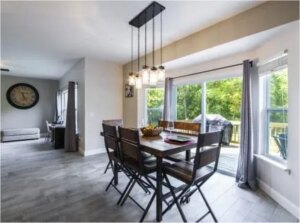
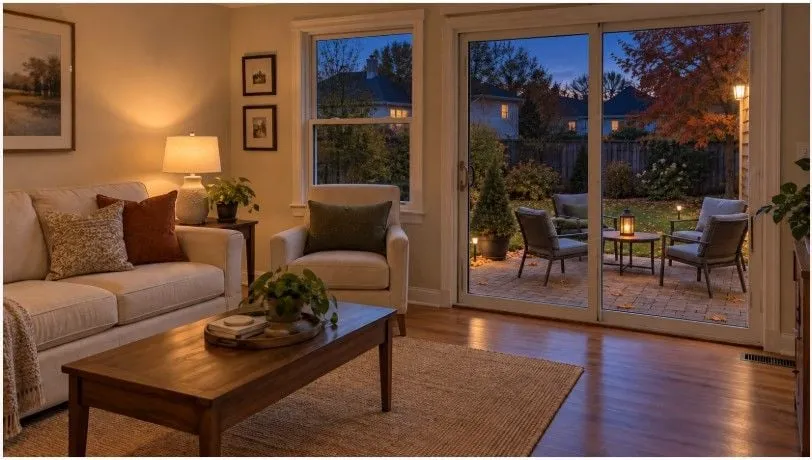
Outdoor areas visible through windows and glass doors become part of the interior presentation. Stand in the main living areas and look through every window and glass door. Buyers will do the same. A deck filled with stacked furniture, a covered barbecue, or scattered garden supplies becomes part of the room’s view. It can make the interior feel less finished and distract from its best features. Clean the glass and remove anything that interrupts the sightline. If the outdoor area is visible from the living room, kitchen, or dining area, its presentation should feel connected to the space inside.
Give Each Area a Purpose
Buyers should immediately understand how an outdoor area can be used. A dining table suggests outdoor entertaining. Two comfortable chairs create a conversation area. A bench overlooking a garden suggests a quiet retreat. The arrangement does not need to be elaborate, but it should be intentional and appropriate for the available space. Show the strongest use without trying to demonstrate every possible use.
Prepare for Shorter Days
By fall, many showings take place under cloudy skies or close to dusk. An exterior that looks acceptable at noon can feel cold and uninviting later in the day. Replace burned-out bulbs and make sure exterior fixtures are clean and working. Use consistent warm-white bulbs, generally around 3000K, rather than a mixture of harsh white and yellow light. Make sure steps, pathways, entrances, and important outdoor areas are sufficiently lit to ensure the view is amplified inside too. Where appropriate, low-voltage lighting can define a path or highlight healthy landscaping. Subtle patio lighting can also help buyers recognize that the space can be used in the evening. The goal is not a dramatic display. Buyers need to see that the property remains welcoming, cared for, and safe as daylight fades.
Keep It Weather-Appropriate
Fall weather can change quickly, so every outdoor staging decision must be practical. Lightweight accessories, unsecured throws, and small decorative objects can be blown across the yard or soaked by an unexpected shower. Once that happens, the property looks neglected rather than inviting.
Choose furnishings and accessories with enough weight to remain secure. Use durable, weather-resistant textiles. Weighted lanterns, substantial planters, and solid side tables are safer choices than numerous small accessories. Replace tired summer flowers with healthy evergreens, cold-tolerant plants, or structural greenery suitable for the climate. Avoid artificial flowers and overly themed displays. Buyers should remember the property, not the decorations. Any fire feature must be clean, safe, and permitted. It should only be lit under responsible supervision. Battery-operated lanterns can create a similar visual effect without concern.
Protect the Seller’s Equity
Outdoor preparation is not about decorating the yard for the next owner. It is about ensuring every part of the property supports its market position and helps protect the seller’s equity. Neglected outdoor areas can raise questions that extend beyond appearance. Buyers may wonder about drainage, exterior maintenance, storage, and conditions they cannot immediately see. One poorly presented area can create doubt about how well the entire property has been maintained.A well-prepared exterior does something very different. It reinforces pride of ownership, demonstrates function, and helps buyers recognize space they might otherwise overlook. Fall does not make outdoor space irrelevant. It changes how that space must be presented. A professional stager evaluates the entire property, including the exterior, through the eyes of the buyer. Before packing everything away for winter, make sure every visible area is still doing its job: supporting the property’s value story and protecting the seller’s equity.