Why Your Next Truck Just Got More Expensive and Harder to Find in 2026
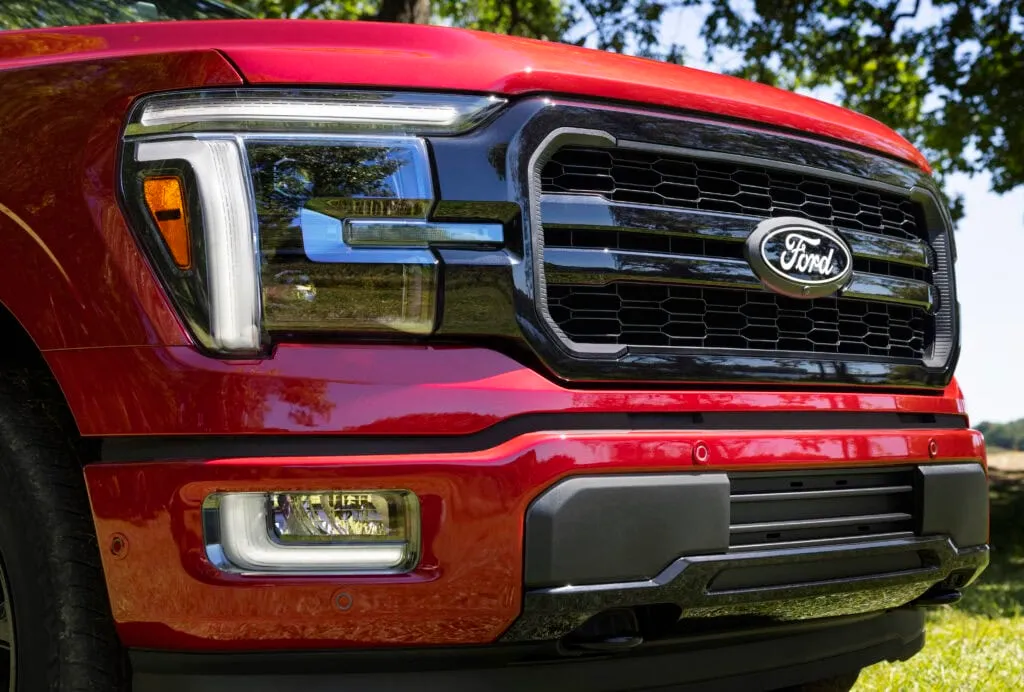
Truck shoppers are finding something unexpected when they head to the dealer lot right now. Popular full-size pickups, especially those with aluminum bodies, are in shorter supply than usual. That means longer waits and potentially higher prices for specific configurations.
The issue traces back to a combination of supplier problems, tariffs, and strong demand. It’s hitting buyers who need a capable truck for work, family hauling, or weekend adventures right when they need it most.
Ford’s F-150 feels the pinch hardest because of its aluminum-intensive design, but ripples reach across the segment. Here’s what’s happening and how it affects your next purchase.
You may also enjoy this: Best Full-Size Trucks in America for 2026
The Supply Crunch Behind the Empty Truck Lots
Aluminum shortages started gaining traction after fires at a key Novelis plant in New York last year. That facility supplies much of the sheet metal for truck bodies, and recovery has been slower than hoped. Even as production ramps back up, inventory for models like the Ford F-150 sits well below normal levels, with some dealers reporting 30 to 40 percent less stock year over year.
Tariffs on imported aluminum add another layer. When domestic supply falls short, manufacturers turn to overseas sources that now carry extra costs of up to 50 percent in some cases. Those expenses don’t vanish. They work their way into build costs and, eventually, transaction prices.
For everyday buyers this shows up as fewer base and mid-level trucks on dealer lots. Dealers end up stocking more loaded, higher-trim versions because those builds deliver stronger profits from the limited aluminum that’s available. A contractor looking for a simple work truck might wait weeks or have to settle for something pricier than planned.
You may also enjoy this: Ram’s 2026 1500 Express Returns—A Budget Brawler with Black-Tie Swagger
Real-World Impact on Truck Buyers Right Now
Picture a family planning a summer road trip with a new towing rig or a business owner replacing aging fleet vehicles. Instead of walking onto a lot and driving home the right truck, they face build-to-order delays that stretch into months. Some report waiting three to six months for popular powertrain and bed combinations.
This also changes negotiation power. Low inventory usually means less room to haggle, though smart shoppers can still push on incentives or add-ons. Transaction prices creep upward as buyers compete for available units, sometimes adding hundreds or even a couple of thousand dollars compared to normal market conditions.
It’s not just new trucks either. Even certified pre-owned and recent used models are pricier as demand jumps from people unwilling to wait for a new model.
You may also enjoy this: Ram Dakota Revival: The Midsize Pickup You’ve Been Waiting For
Why Aluminum Became the Weak Link for Trucks
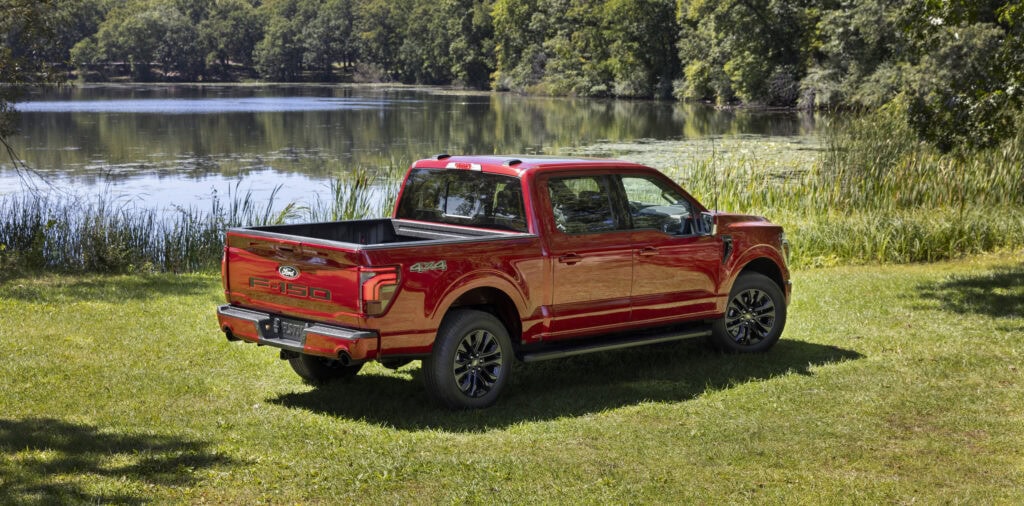
Years ago, automakers shifted to aluminum bodies to shed weight, improve fuel economy, and meet regulations. The Ford F-150 led that charge with its body-on-frame design wrapped in aluminum panels, and rivals followed with their own mixes. It worked well in stable times.
Now the bet faces real-world pressure. Aluminum is lighter but more vulnerable to supply shocks than traditional steel. A single plant outage or geopolitical hiccup creates bigger headaches. Ford has talked openly about absorbing $1.5 billion to $2 billion in extra sourcing costs this year while betting on recovery in the second half of 2026.
It’s a problem other automakers face, too. All trucks and SUVs using significant aluminum face constraints, with body-on-frame, steel-heavy options holding up better in the current crunch.
You may also enjoy this: 2026 Chevrolet Silverado EV Trail Boss: The Off-Road Electric Truck with Physics Defying Range
Smart Moves for Truck Shoppers This Season
If you need a truck soon, focus on what’s available instead of holding out for the perfect build. Check multiple dealers and consider cross-shopping competitors whose supply chains look steadier right now. Ram models, for instance, have shown stronger inventory in some reports.
Waiting three to six months could pay off if your timeline allows. As Novelis plants reach full output and summer factory schedules adjust, more trucks should reach lots. Additionally, incentives often follow periods of tight supply. In the meantime, test drive what’s available on the lot today. You might discover a configuration that works fine and stays within your budget.
Hybrids deserve a fresh look too. Their efficiency can offset higher upfront costs over time, especially with fuel prices that refuse to settle. A hybrid powertrain in a full-size truck delivers solid real-world mileage for commutes and light towing without sacrificing much capability.
You may also enjoy this: Ram Drops $40K Truck, Brings Back HEMI Power
What This Means for Long-Term Truck Ownership
Buyers who lock in a truck now could see strong resale if the shortage lingers, but the opposite holds once supply normalizes. Plan around your actual needs rather than chasing the shiniest new feature. A well-equipped but not over-the-top model often proves the smarter play when material costs stay volatile.
Consider total cost of ownership beyond the sticker. Fuel economy, maintenance, insurance, and repairs all matter more when the purchase price inches higher. Steel-bodied alternatives or proven older designs sidestep some of the current aluminum headaches while still handling real work.
The industry will adapt. Makers are already lining up alternate suppliers and exploring more recycled aluminum. For now, though, the crunch reminds everyone that even the toughest trucks depend on fragile global supply chains.
In the end, patience and flexibility will serve most buyers best. Shop the market as it exists today, run the numbers on what you actually use the truck for, and avoid rushing into a deal that feels off. The right truck is still out there. It just might take a little more hunting than it did last year.