The Federal Reserve Is Split: What Higher-for-Longer Rates Mean for Your Money
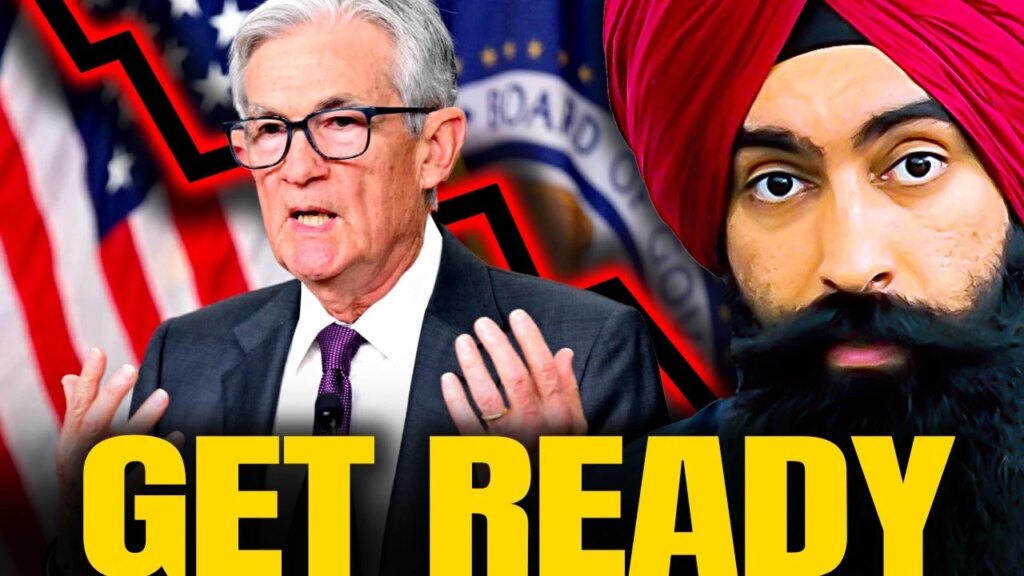
The Federal Reserve just sent a clear message to the economy: interest rates are not moving yet. But the more important story is not just that the Fed held rates steady. It is that the people inside the Fed appear increasingly divided about what should happen next. The Fed’s April 29, 2026 decision kept the federal funds target range at 3.5% to 3.75%, and Chair Jerome Powell said the current policy stance remained appropriate given inflation, employment, and uncertainty tied partly to higher global energy prices and developments in the Middle East. The outline behind this article focuses on that tension: some Fed officials want tighter policy to keep inflation and the dollar under control, while others want lower rates to support the economy and ease the pressure from debt, borrowing costs, and slowing growth.
That split matters because Federal Reserve policy touches almost every part of your financial life. It affects mortgage rates, credit cards, auto loans, business loans, savings yields, stock valuations, bond prices, the housing market, and even the government’s cost of carrying debt. When the Fed keeps rates higher, borrowing stays more expensive. When the Fed cuts rates, borrowing can become cheaper, but inflation can become harder to contain. That is the dilemma. The Fed is trying to support the economy without reigniting inflation, and that is not an easy balance.
For consumers, the most visible impact is housing. Mortgage rates do not move in perfect lockstep with the Fed’s short-term rate, but Fed policy influences the broader interest-rate environment. As of May 5, 2026, the national average 30-year fixed mortgage rate was around 6.46%, according to The Wall Street Journal’s Buy Side mortgage tracker. That is a very different housing market than the one buyers saw when mortgage rates were near historic lows. A lower-rate environment can pull more buyers into the market, increase demand, and push home prices higher. A higher-rate environment can reduce affordability, slow transactions, and make buyers more cautious.
That is why the Fed cannot simply cut rates because people want cheaper mortgages. Lower rates can help borrowers, businesses, and markets, but they can also stimulate demand at the wrong time. If inflation is still running above the Fed’s comfort level, cutting too soon could make prices rise again. This is especially important when energy prices are elevated. Higher oil prices do not just affect gasoline. They can raise diesel costs, shipping costs, airline costs, fertilizer costs, manufacturing costs, and ultimately consumer prices. The outline notes that oil and Middle East conflict have become part of the inflation concern because energy costs ripple through the economy.
The other side of the argument is that keeping rates high for too long can slow the economy. Businesses may delay expansion. Consumers may borrow less. Homebuyers may stay on the sidelines. Commercial real estate can come under pressure. Banks may tighten lending. The stock market may become more volatile because higher interest rates make future corporate earnings less valuable in today’s dollars. That is why some policymakers and political leaders want lower rates. They see rate cuts as a way to support growth, improve affordability, and reduce pressure on the economy.
But there is a third issue that makes this moment even more complicated: the national debt. The U.S. government now pays enormous interest costs on its debt. The outline notes that interest payments have moved above $1 trillion annually, creating a major fiscal strain. When interest rates are higher, the government’s cost of borrowing can rise as old debt is refinanced and new debt is issued. That creates a dangerous loop. Higher debt leads to higher interest costs, which can lead to more borrowing, which can then make investors demand higher yields to keep lending money to the government.
This is where Treasury yields matter. The U.S. government borrows by issuing Treasury securities. Investors buy those Treasuries, and the yield on those bonds influences rates throughout the economy. If investors demand higher yields, mortgage rates, business loans, auto loans, and credit card rates can all feel the pressure. The Fed can influence short-term rates, but it does not fully control long-term rates. If markets become worried about inflation, debt, or the dollar, long-term borrowing costs can rise even if the Fed wants to ease policy.
That brings us to the Fed’s balance sheet. During periods of crisis, the Fed has bought large amounts of bonds to support markets and keep financial conditions easier. When it shrinks the balance sheet, it reduces those holdings over time. In theory, shrinking the balance sheet can remove liquidity from the system and help fight inflation. But there is a risk: if the Fed is buying fewer Treasuries, private investors have to absorb more government debt. If demand is not strong enough, yields may have to rise to attract buyers.
That is why the debate over the next Fed chair matters. Reuters reported today that incoming Fed Chair Kevin Warsh has argued for changes to how the Fed releases meeting transcripts, saying less disclosure of initial deliberations could promote more candid debate. Critics worry that reducing transparency could make markets more suspicious or uncertain. Barron’s reported that Warsh may have more room to maneuver than markets expect, with possible reforms involving the Fed’s balance sheet, inflation strategy, and communication framework. The outline also emphasizes Warsh’s expected preference for balance sheet reduction and a different communication style, including less reliance on forward guidance.
Forward guidance is the Fed’s practice of signaling where policy may be headed. Investors care about it because markets do not just react to what the Fed does today. They react to what they think the Fed will do next. If the Fed says cuts may be coming, markets may rally before any cut actually happens. If the Fed says inflation is too hot and rates may stay elevated, markets may adjust quickly. If a new Fed chair reduces guidance or changes communication strategy, markets may become more volatile because investors will have less clarity.
There is also a debate over how inflation is measured. Many households feel that inflation is higher than official numbers suggest because they experience it through groceries, rent, insurance, travel, health care, and housing costs. The outline notes that inflation measurement has changed over time and that reported inflation may not fully reflect what consumers feel in daily life. That gap matters politically and economically. If the public does not believe official inflation data reflects reality, confidence in policy can weaken.
For investors, this environment requires discipline. A divided Fed, persistent inflation, high government debt, elevated mortgage rates, and leadership change all point to uncertainty. But uncertainty does not mean panic. It means investors need to understand the forces at work. If rates stay higher for longer, cash and short-term bonds may continue to offer more attractive yields than they did during the zero-rate era. But higher rates can also pressure stocks, especially companies valued on future growth. If the Fed cuts too aggressively and inflation rises again, hard assets, energy, and inflation-sensitive investments may benefit. If the economy slows sharply, defensive assets and high-quality bonds could become more attractive.
For homeowners and buyers, the message is different. Do not assume mortgage rates are going back to pandemic-era lows. They may fall from current levels at some point, but a return to ultra-low rates is not guaranteed. Buyers should make decisions based on affordability today, not hope for refinancing tomorrow. Sellers should understand that higher rates reduce buyer purchasing power. Homeowners with low fixed-rate mortgages should recognize how valuable that debt may be in a higher-rate world.
For people carrying credit card balances, the message is urgent. Higher rates make consumer debt more expensive. A Fed pause does not mean relief if your credit card rate is already high. Paying down high-interest debt can be one of the most powerful financial moves in this environment because the “return” is effectively the interest rate you avoid paying.
For retirees, higher rates are a mixed bag. On one hand, savers can earn more on cash, CDs, money markets, and certain fixed-income investments. On the other hand, inflation can erode purchasing power, and market volatility can create stress for retirement withdrawals. Retirees should pay attention to sequence-of-returns risk, income planning, bond duration, and how much cash they need to avoid selling investments during downturns.
The biggest mistake is thinking the Fed is just a Wall Street story. It is not. Fed policy affects your paycheck, your mortgage, your retirement account, your savings yield, your borrowing costs, and your purchasing power. When inflation rises, your dollars buy less. When rates rise, debt costs more. When rates fall, markets may cheer, but prices can heat up again if the economy is already running hot.
The Federal Reserve is stuck between two risks. Cut rates too soon, and inflation may come back stronger. Keep rates too high for too long, and the economy may weaken. Shrink the balance sheet too quickly, and Treasury yields may rise. Move too slowly, and inflation psychology may become harder to break. Add political pressure, national debt, global instability, and leadership change, and the challenge becomes even more complicated.
For everyday Americans, the best response is not to predict every Fed move. The best response is to prepare for multiple outcomes. Keep an emergency fund. Avoid high-interest debt. Be realistic about housing affordability. Invest with a long-term plan. Diversify. Pay attention to inflation. Understand that “higher for longer” rates can change the math on everything from mortgages to retirement withdrawals.
The Fed may be divided, but your financial plan cannot be. This is the moment to know where your money is going, what your debt costs, how your investments are positioned, and whether your plan still works if rates stay elevated longer than expected. The people who wait until Fed policy hits their wallet may feel blindsided. The people who understand the stakes now will be in a much better position to adjust.
Jaspreet Singh is not a licensed financial advisor. He is a licensed attorney, but he is not providing you with legal advice in this article. This article, the topics discussed, and ideas presented are Jaspreet’s opinions and presented for entertainment purposes only. The information presented should not be construed as financial or legal advice. Always do your own due diligence.