America Is Spending Billions on Homelessness. Why Is It So Hard to Measure What Works?
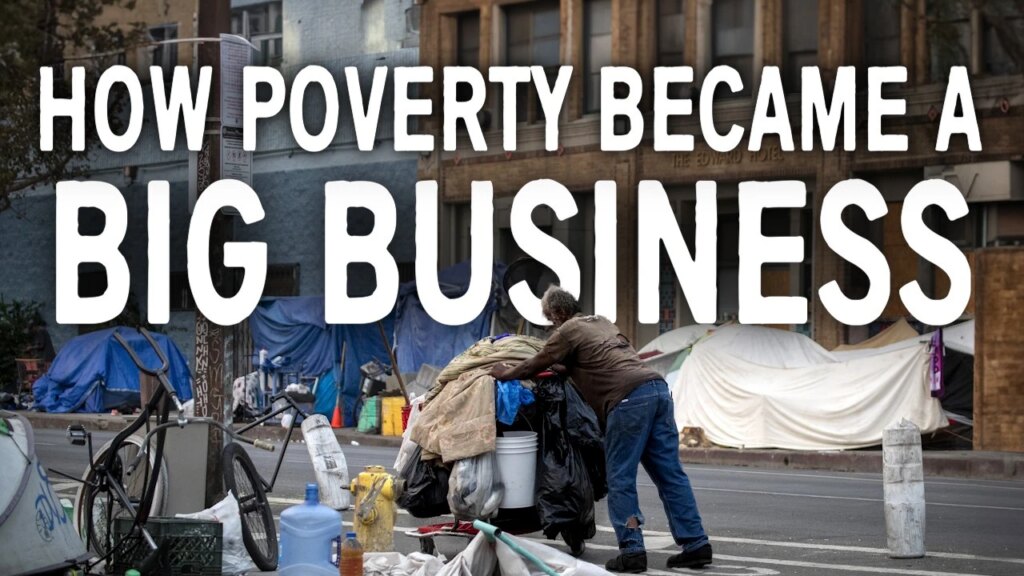
American cities have devoted billions of dollars to homelessness while residents continue to see tents, encampments and people in crisis on sidewalks, transit systems and public spaces. The visible persistence of the problem has produced an understandable question: Where is all the money going?
The most responsible answer is not that every program is corrupt or that public spending has accomplished nothing. It is that homelessness systems are often too fragmented, expensive and poorly measured to show taxpayers what each dollar has achieved. Government agencies, nonprofit contractors, housing developers and health providers may all handle different pieces of the same person’s case, while no single organization has a complete view of the costs or outcome.
California’s state auditor reached a similar conclusion after reviewing billions of dollars in homelessness spending. The audit found that two of five major programs examined were likely cost-effective, including one that converted hotels and motels into housing and another that helped households avoid homelessness. The state lacked enough reliable information to determine the cost-effectiveness of the other three programs. California’s auditor has continued to classify homelessness accountability as a high-risk issue because the state has not consistently collected and publicly reported program-specific spending and outcomes.
That distinction matters. A failure to measure results is not proof that every dollar was wasted. It does mean policymakers cannot confidently distinguish effective programs from expensive ones that merely remain funded.
Los Angeles Shows the Cost of Slow Delivery
Los Angeles has become the most visible example of the gap between public investment and public confidence. In 2016, city voters approved Proposition HHH, authorizing as much as $1.2 billion in bonds to finance supportive housing for people experiencing homelessness.
Supportive housing combines a permanent residence with services that may include mental-health care, substance-use treatment, case management and employment assistance. The model is intended primarily for people with chronic or complex needs who are unlikely to remain housed without continuing support.
The concept is not inherently inefficient. The problem has been the price and speed of construction. A Los Angeles controller review found that some Proposition HHH projects were approaching or exceeding $700,000 per unit, with individual developments reaching as much as approximately $837,000 per apartment. The average cost of projects under construction had risen to nearly $600,000 a unit by 2021.
Those figures include more than the four walls of an apartment. Supportive projects may require land, design, environmental reviews, accessibility features, community space and facilities for social services. Financing often comes from several public programs, each with separate applications, wage rules and reporting requirements.
Even with those explanations, the costs raise legitimate questions. When one supportive apartment requires more than half a million dollars and years of development, fewer people can be housed with the available funds. Delays also allow construction, financing and labor costs to rise before a resident receives a key.
Los Angeles officials have recognized that traditional construction cannot be the only approach. Converting hotels, purchasing existing buildings and using factory-built housing may deliver units more quickly and cheaply in suitable locations. California’s state audit found that Project Homekey, which acquired and converted properties such as hotels, produced units at a fraction of the cost of building comparable housing from the ground up.
The broader lesson is not that permanent supportive housing should be abandoned. It is that expensive construction should be reserved for people who need that level of long-term intervention, while faster and less costly options serve households with less intensive needs.
Rising Spending Does Not Automatically Reduce the Count
The number of people experiencing homelessness is influenced by both the number leaving homelessness and the number losing housing. A city can place thousands of people into apartments and still report a larger homeless population when even more residents are being displaced by rent increases, job losses, family breakdown or health emergencies.
That flow is one reason the public can see little apparent progress even when individual programs are housing people. It is also why total spending and the annual homeless count cannot be compared as though one should immediately produce a proportional decline in the other.
Los Angeles County reported more than 69,000 people experiencing homelessness in its 2022 count, while the City of Los Angeles reported more than 41,000. The city’s count had already increased 45% between 2016 and 2020 despite expanding public intervention.
Homeless counts are estimates taken during a limited period, and methodology can change. They should not be treated as perfectly precise measurements. The overall trend nevertheless confirms that housing placements have not kept pace with the number of people entering homelessness.
That does not necessarily mean the programs caused the increase or failed every participant. It means a system focused mainly on helping people after they become homeless will remain overwhelmed when high housing costs continue creating new cases.
Most Homeless Californians Did Not Move There for Benefits
One persistent explanation for California’s homelessness crisis is that people travel to the state because of mild weather or generous services.
The most comprehensive recent statewide study does not support that characterization. Researchers at the University of California, San Francisco surveyed nearly 3,200 adults experiencing homelessness and conducted hundreds of detailed interviews. Ninety percent had lost their last housing while living in California, and 75% remained in the same county where they had previously been housed.
The findings do not mean no one travels while homeless or relocates to California. They show that migration is not the primary explanation for the state’s scale of homelessness.
Housing affordability was a central factor. Among participants who had been leaseholders before becoming homeless, economic conditions, including an inability to keep up with rent, played a major role in the loss of housing. Respondents also described job losses, reduced hours, relationship breakdowns, health problems and the end of informal arrangements with friends or relatives.
Mental illness and substance use remain serious parts of the crisis, particularly among people living outside for long periods. Behavioral-health conditions can contribute to housing loss and make it harder to return to stability. They are also worsened by homelessness itself, as people experience trauma, violence, interrupted medical care and constant insecurity.
A credible response must therefore address both housing affordability and intensive treatment. Presenting the crisis as entirely a housing problem ignores people whose illnesses require structured care. Presenting it entirely as an addiction or mental-health problem ignores the economic conditions pushing vulnerable households out of their homes.
Prevention Is Often Cheaper Than Rehousing
Public homelessness systems devote significant resources to shelters, outreach, emergency rooms and permanent housing after a person has already lost a residence. Assistance delivered before eviction can be much less expensive.
California’s auditor identified a prevention program as one of the few initiatives for which the available evidence suggested cost-effectiveness. Depending on the county, the program provided approximately $12,000 to $22,000 to help a low-income household remain housed. That was substantially less than the public cost of serving someone after homelessness began.
Preventive assistance can cover rent arrears, utility bills, security deposits, vehicle repairs or another expense that would otherwise interrupt employment and housing. These interventions are not appropriate in every situation. A one-time payment cannot solve a permanently unaffordable lease, a severe untreated illness or ongoing domestic violence.
They can be highly effective when the problem is temporary and identifiable. A worker who fell behind after a medical leave may need two months of rent, not years of supportive housing. A family staying with relatives may need a deposit and moving costs before the temporary arrangement collapses.
The difficulty is identifying those households before they enter shelters or encampments. Many people do not know assistance exists, cannot reach the correct agency or are told to contact several organizations with different eligibility rules. By the time the system recognizes the crisis, the household may have lost possessions, employment stability and the documents needed to obtain a new apartment.
Spending more on prevention would not eliminate chronic homelessness. It could reduce the number of people entering an already overburdened system.
Direct Cash Can Help, but It Is Not a Universal Replacement
The idea of giving money directly to people experiencing homelessness attracts attention because public programs often spend far more per participant through administration, temporary shelter and contracted services.
Early research suggests that cash can improve outcomes for some populations. A randomized Canadian study gave a one-time payment of 7,500 Canadian dollars to a selected group of recently homeless adults who did not have severe substance-use or mental-health symptoms. Recipients moved into stable housing more quickly and spent fewer days in shelters than the comparison group.
Programs in the United States have also reported improvements in housing stability and the ability to pay for basic needs, although the research remains limited and results vary. A California “cash plus” study combined monthly payments with social support and found improvements in several areas, while a Denver pilot reported substantial housing gains across participant groups but could not conclusively attribute all improvements to the size of the cash benefit.
These findings justify further testing. They do not prove that cities can replace every shelter, treatment program and supportive-housing project with checks.
Direct assistance is most likely to work when lack of money is the primary barrier. Someone who can maintain a lease but lacks a deposit may need cash. A person experiencing psychosis, severe addiction or cognitive impairment may need housing combined with medical treatment and continuing support.
Cash and services should not be treated as ideological opposites. The more useful question is which combination fits the person’s actual needs.
Fragmented Government Makes Accountability Difficult
Homelessness is not administered by one department. Housing agencies fund construction and vouchers. Public-health systems provide treatment. Police and sanitation departments respond to encampments. Counties administer behavioral-health programs, while cities control land use and shelters. Nonprofits perform outreach, operate housing and manage federal grants.
This fragmentation can reflect legitimate specialization. A housing developer is not necessarily equipped to provide psychiatric care, and a health department is not designed to construct apartments. The problem emerges when responsibilities overlap without shared data, enforceable performance measures or a single entity accountable for the result.
A 2025 independent audit of Los Angeles operations found serious weaknesses in the city’s ability to track homelessness spending and contractor performance. The findings did not establish that every contractor was dishonest, but they showed that unreliable data and weak oversight made it difficult to determine what vendors had delivered for the money received.
California’s state audit identified the same problem at a larger scale. Agencies administered numerous programs without a consistent system for comparing costs, services and outcomes. The state could report how much had been allocated but often could not demonstrate which approaches prevented homelessness, shortened it or produced lasting housing stability.
Accountability requires more than publishing a total budget. Programs should report the cost per person served, the number entering permanent housing, the length of time needed to place them and whether they remained housed after six months or a year.
Those measures must also distinguish between populations. A program serving people with severe disabilities should not be judged by the same cost expectations as one providing deposits to employed families. Without those distinctions, agencies may avoid the hardest cases or manipulate numbers to make performance appear stronger.
Administrative Costs Are Not Automatically Waste
Critics often point to nonprofit salaries and administrative expenses as evidence that a homelessness industry is profiting from the crisis.
Some scrutiny is warranted. Organizations receiving public money should disclose executive compensation, contracts, staffing and outcomes. Excessive overhead, related-party transactions or compensation disconnected from performance deserve investigation.
Administration itself is not proof of waste. Programs need case managers, nurses, accountants, attorneys, maintenance workers and data systems. Housing people with serious health and behavioral needs requires more than handing over an apartment key.
The important measure is whether administrative spending improves results. A well-paid clinical team that keeps high-risk residents housed may save money by reducing hospitalizations and emergency interventions. A large administrative office that cannot say how many people remained housed is harder to justify.
Claims that agencies or nonprofits deliberately preserve homelessness to protect their jobs require evidence. Institutional incentives can certainly make reform difficult. Organizations may resist consolidation, defend their funding and emphasize measures that make their performance appear favorable. That is different from proving a coordinated effort to perpetuate suffering.
Criticism is strongest when it focuses on documented failures: unclear responsibility, poorly written contracts, weak data and funding that continues without evidence of results.
Safety Concerns Keep Some People Away From Services
The continued presence of people outside does not necessarily mean they have rejected all help.
Shelter environments can involve theft, violence, crowding, curfews and restrictions on partners, pets or possessions. A person who believes a temporary placement will separate the family, require abandoning an animal or expose belongings to theft may remain outside despite serious risks.
Some individuals also avoid programs because of untreated paranoia, trauma or addiction. Others have accepted help previously and returned to homelessness after a placement ended or a housing arrangement failed.
Programs must balance safety, rules and individual autonomy. A completely unrestricted shelter can become dangerous, while highly restrictive conditions may drive away the people it is intended to help. Treatment requirements can help some participants but may exclude others before they are stable enough to engage.
Permanent housing without adequate services can also fail when residents cannot manage medications, maintain the unit or resolve conflicts. Conversely, requiring people to complete treatment before receiving housing can leave them outside for years.
Successful programs tend to match the level of structure to the person rather than forcing every participant through one model.
Political Incentives Favor Announcements Over Measurement
Homelessness policy rewards visible action. Politicians can announce a new shelter, funding package or housing development. The ribbon cutting occurs quickly, while evidence about long-term outcomes may not arrive for years.
Closing or consolidating an ineffective program is politically harder. Employees, contractors and advocates may oppose the change, while opponents can portray any reduction in funding as abandonment. Even when two agencies perform similar work, merging them threatens budgets and leadership positions.
This creates a bias toward adding new initiatives without eliminating old ones. Every reform becomes another layer rather than a replacement for a system that was not working.
Short election cycles intensify the problem. Housing construction may take several years, while voters expect visible improvements within months. Officials may fund encampment removals or temporary placements that improve a particular block without reducing regional homelessness.
Temporary shelter and sanitation can still be necessary for public safety. They should not be confused with permanent resolution. A city can move an encampment several streets away and report an enforcement success while the same residents remain homeless.
The public needs separate measurements for immediate street conditions and long-term housing outcomes.
Housing Supply Remains the Structural Constraint
No homelessness program can operate independently of the housing market.
When rents consume most of a low-income household’s earnings, a minor disruption can cause displacement. Once a tenant loses a lease, returning to housing may require an application fee, security deposit, credit approval and income several times the monthly rent.
Research consistently finds that regions with high rents and limited vacancies tend to have higher rates of homelessness. That relationship is particularly strong in expensive metropolitan areas including Los Angeles.
Building more housing is not an immediate solution for someone sleeping outside tonight. It is part of preventing the system from continually producing new homelessness.
Cities can increase supply by allowing apartments in more neighborhoods, accelerating approvals and reducing restrictions that make smaller or lower-cost projects difficult. Subsidies will still be required for residents whose incomes are too low to support market rent, but those subsidies become more effective when they are not competing for an extremely limited number of units.
Supportive housing, rental assistance, treatment and shelter all become harder and more expensive when ordinary housing is scarce.
What Better Accountability Would Look Like
Cities do not need another broad promise to end homelessness. They need a system capable of showing what happens to the people and money already moving through it.
Every publicly funded program should have a defined population and measurable objective. Prevention funds should report how many households avoided homelessness and remained housed. Shelters should track exits to permanent housing rather than counting nights of occupancy as success. Supportive housing providers should report housing retention, service use and the cost of caring for residents with different levels of need.
Construction programs should disclose total development cost, public subsidy, time from approval to occupancy and cost per completed unit. When one project costs twice as much as another, officials should explain why.
Contracts should tie at least part of future funding to verified performance while accounting for the difficulty of the population served. Data should follow individuals across agencies with appropriate privacy protections so governments can see whether a person moved from a shelter to housing or merely disappeared from one program’s records.
Public dashboards should show outcomes in language residents can understand. Taxpayers should not need to search through several agencies, nonprofit filings and council reports to learn whether a billion-dollar initiative produced completed homes.
Homelessness Is Not One Problem
The search for one solution has helped create the current frustration.
A family evicted after a job loss does not need the same intervention as a person with schizophrenia who has lived outside for 10 years. A survivor of domestic violence has different needs from a young adult leaving foster care or an older worker priced out after a rent increase.
Treating every case through the most expensive system wastes resources. Treating every case through the least expensive system abandons people with complex needs.
Direct payments and short-term rental support can prevent or rapidly end homelessness for some households. Others need permanent subsidies because income will never cover market rent. A smaller group needs intensive behavioral-health treatment, structured housing and long-term supervision.
The public system should be organized around those differences rather than around which agency happens to control a funding stream.
The Failure Is Not Spending Money. It Is Spending Without Learning
Homelessness is expensive whether government responds effectively or not. People living outside still use emergency rooms, ambulances, police services, jails, sanitation systems and public spaces. Ignoring the crisis does not eliminate the cost; it shifts the cost into more chaotic and often more expensive systems.
The legitimate criticism is that public agencies have too often spent enormous amounts without building the data infrastructure and accountability needed to learn from the results.
Los Angeles has demonstrated that supportive housing can become prohibitively expensive when projects take years and funding sources create layers of delay. California has shown that billions can be distributed across programs without enough information to compare their effectiveness. Research has also shown that relatively modest financial assistance can prevent some households from ever needing the expensive homelessness system.
Those facts point toward a more disciplined approach: prevent displacement when possible, build and acquire housing more efficiently, reserve intensive services for people who need them and require every funded organization to report outcomes that can be independently verified.
Homelessness is not evidence that every person providing services is profiting from failure. It is evidence that good intentions and large budgets are not substitutes for competent management.
The public should not have to choose between compassion and accountability. A system that cannot explain what works is failing taxpayers and the people it was created to help.