Hyundai N Performance Is Becoming a Full Lineup
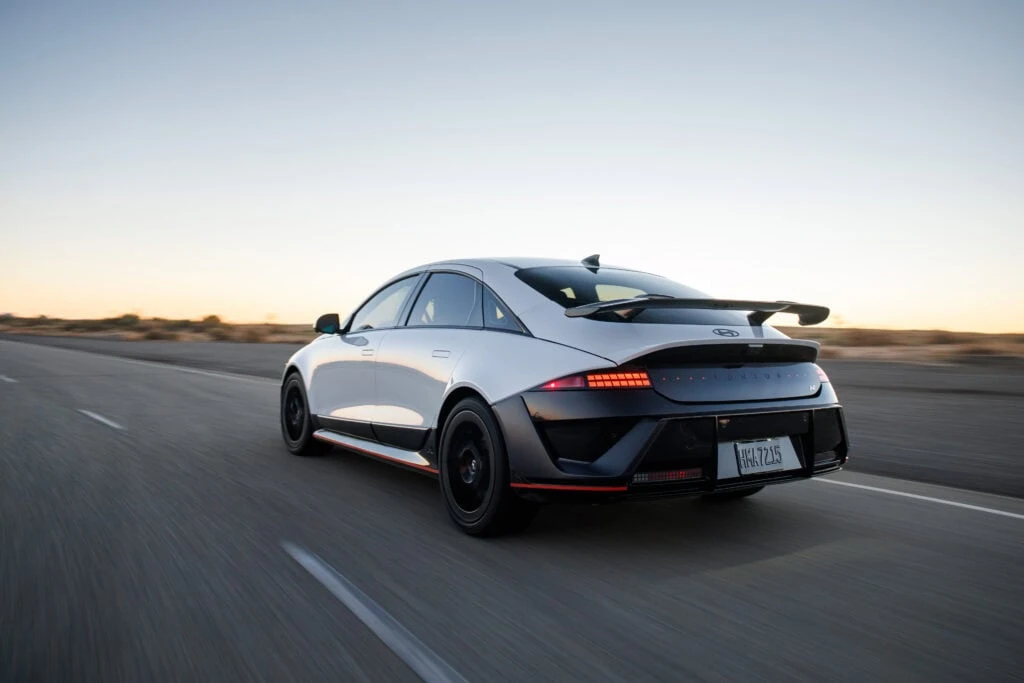
Hyundai N performance is expanding beyond seven models, but buyers should watch how N preserves value while Genesis Magma moves upscale.
I was inside the hall in South Korea when Hyundai laid out a performance plan that was much bigger than another quick car. The company wants more than seven N models by 2030 and more than 100,000 annual global sales. Add Genesis Magma above it, and Hyundai Motor Group is creating a performance ladder rather than a single hot-car badge.
That is strategically tidy. It is also difficult to execute. N earned attention by making ordinary Hyundai shapes unusually entertaining, while Magma must persuade luxury customers that Genesis belongs in the company of BMW M and Mercedes-AMG. Growth can fund better cars, but it can also blur the reason enthusiasts cared in the first place.
You may also like this Video:
Hyundai N Performance Has to Protect the Formula
The clearest evidence is the IONIQ 6 N, scheduled for limited U.S. availability in 2026. Hyundai lists 601 horsepower normally and up to 641 horsepower for a 10-second N Grin Boost interval. With launch control, the company estimates 0-to-60 mph in approximately 3.2 seconds. Those are manufacturer figures, not Test Miles instrumented results.
You may also enjoy: 2026 Hyundai IONIQ 5 Review: The Value Is Back
The useful engineering is deeper than the headline number. An 84-kWh battery, selectable thermal programs and an upgraded cooling system are intended to keep power available during drag, sprint or endurance sessions. The car can provide up to 0.6 g of regenerative braking, reducing reliance on friction brakes, though real track endurance still depends on temperature, charge level, tires and the driver.
Hyundai also gives the car simulated gear changes and selectable sound. Purists may roll their eyes, but the IONIQ 5 N showed why those tools can matter: they give a driver timing cues and a sense of mechanical rhythm that many electric vehicles lack. They can be switched off, which is exactly how optional theater should work.
You may also enjoy: Why the Electric Dodge Charger Daytona EV Excels in Winter
The buyer caution is range. Hyundai’s North American presentation left the IONIQ 6 N’s projected range unconfirmed. Hyundai quotes about 18 minutes from 10 to 80 percent when connected to an appropriate 350-kW DC unit in ideal circumstances, but a rapid session does not erase the need to know how far the car travels between stops. Limited quantities may also support exclusivity while making price and dealer availability especially important.
The other caution is badge discipline. An N car should have meaningful powertrain, chassis, brake and cooling changes. N Line is a sportier trim level, and N Performance Parts are accessories. Hyundai must keep those distinctions obvious as the portfolio grows or risk turning hard-won credibility into decoration.
Hyundai Ioniq 6N
What Buyers Should Watch as the Ladder Grows
Genesis Magma changes the calculation because it is not supposed to be Hyundai N with richer upholstery. The production GV60 Magma reaches 641 horsepower in boost mode, but Genesis emphasizes quieter road manners, premium materials and controlled responses. Its 275-mm-wide tires, revised suspension and larger brakes will matter every day; so will replacement cost, cold-weather behavior and ride quality.
You may also enjoy: Genesis Just Got Sexy: Magma Performance Is Here
Tedros Mengiste, chief operating officer of Genesis Motor North America, described the standard in an interview with Test Miles: “It’s gotta be sexy. It’s gotta have a presence. It’s gotta have performance but not at the cost of luxury.” That last phrase is the assignment. Magma succeeds only if the speed feels integrated rather than bolted onto a GV60.
Genesis is requiring participating retailers to pursue Magma certification and send an ambassador for product training. That is encouraging because a specialized vehicle needs a dealership that understands its battery conditioning, drive modes and limits. Buyers should still ask who services the car, whether a loaner is available, what performance-tire options exist and how warranty coverage treats track use.
You may also enjoy: Genesis Wants to Scare BMW With 22 New Vehicles
The group’s racing program is meant to supply authenticity. Genesis Magma Racing competes in the FIA World Endurance Championship, where common sporting and technical rules make public results harder to massage than a launch presentation. Racing does not automatically improve a road car, but it can pressure engineers to solve heat management, energy use, aerodynamics and reliability under repeatable conditions.
You may also enjoy: Genesis GT3 Concept Puts Luxury on the Grid
Shoppers should also separate track software from street safety. Drift modes and adjustable torque distribution belong on closed courses. On public roads, systems such as electronic stability control remain safeguards, not obstacles to be casually defeated. Likewise, the IONIQ 6 N’s N Track Manager can record laps and show a ghost car, but it cannot replace instruction, proper inspection or sensible tire pressures.
One more practical test is whether lessons move down the range. Better battery conditioning, brake blending, steering calibration and thermal durability can improve less expensive cars. If N merely multiplies model names, the 100,000-unit target will feel like a sales exercise. If the program spreads capability while retaining distinctive characters, Hyundai can offer something rare: an enthusiast path from an attainable sport sedan to an electric N car and, eventually, a genuinely luxurious Magma.
My advice is to judge each rung independently. Buy an N because its controls and value make ordinary roads more involving, not because the badge sits below Magma. Buy a Magma only if refinement, dealer support and ownership details justify the premium. Hyundai has announced an ambitious ladder; the cars still have to earn every step.